
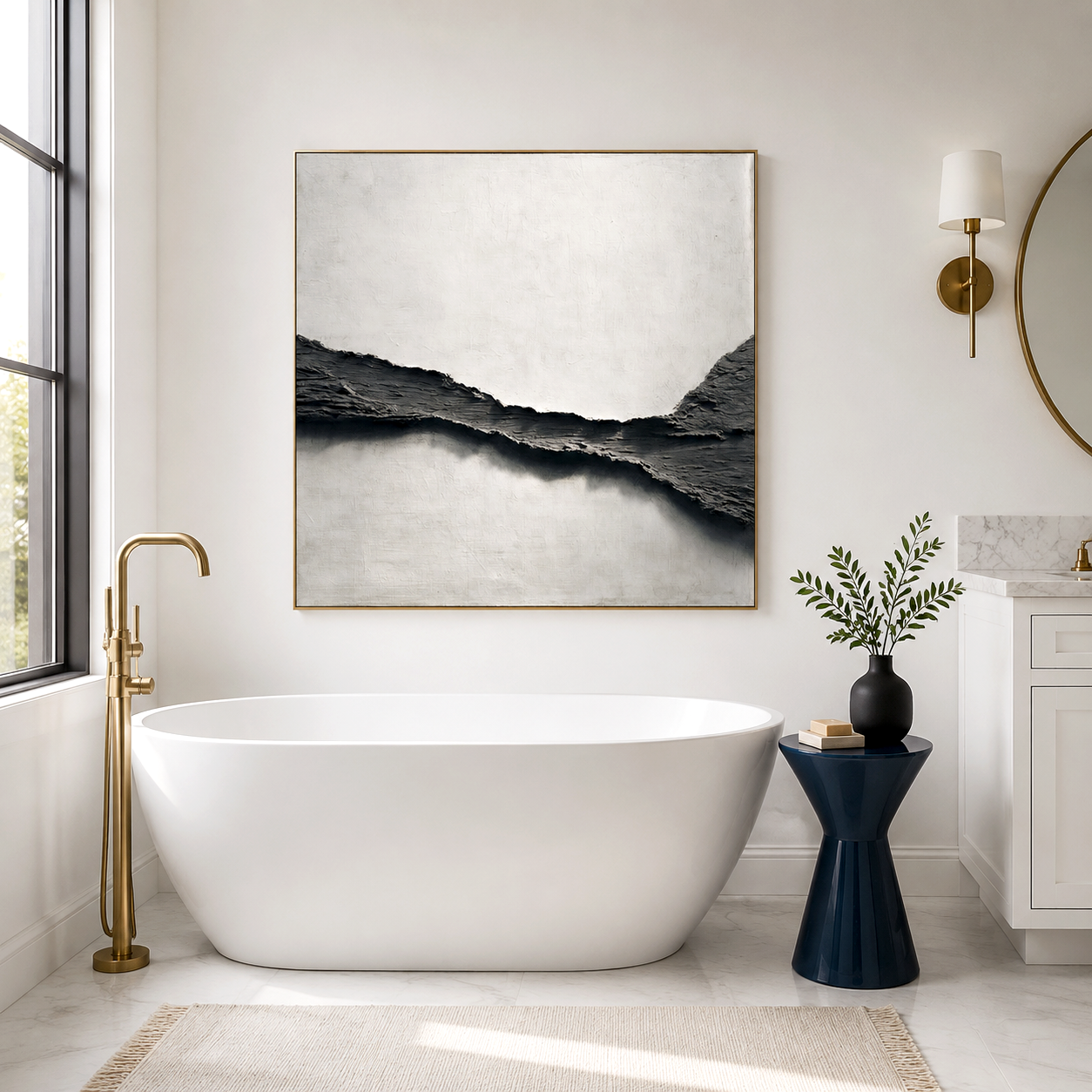
Plaster art painting has emerged as one of the most expressive and multidimensional art forms in contemporary interior design. Unlike traditional canvas paintings or digital reproductions, plaster art integrates texture, relief, and tactile dimension. Each piece tells a story not only through color but also through form, light play, and sculptural depth, making it a centerpiece of architectural and decorative elegance. Today, it’s increasingly favored by designers seeking to merge modern minimalism with handcrafted authenticity.
The Artistic Essence of Plaster Art Painting
Plaster art painting stands out because of its materiality. Artists use gypsum, lime plaster, or modern clay-based compounds to sculpt layers on a surface, creating a blend of painting and low-relief sculpture. Unlike smooth acrylic surfaces, plaster’s natural porosity absorbs pigments differently, giving artwork a matte, organic finish that interacts with light in subtle ways. From delicate gradients to rugged abstract topographies, plaster art invites viewers to feel its presence, not just see it.
The uniqueness of plaster art also lies in its unpredictability. Each application, scraping, or carving results in organic patterns impossible to replicate. That natural imperfection captures the essence of authenticity — a key value driving luxury home decor today.
Market Trends and Data
The global textured wall art market has expanded rapidly, driven by the rise of bespoke interiors and wellness-centered spaces. According to industry insights released in 2025, the textured wall decor category grew by over 30% year-over-year as architects, interior designers, and art collectors sought distinctive handmade pieces to elevate high-end environments. This surge in interest stems from the shift toward sensory design — interiors that engage touch, sight, and emotion simultaneously.
Homeowners in cities like Hong Kong, Singapore, and Dubai are incorporating plaster wall art to express individuality while complementing sustainable materials like bamboo, terrazzo, and linen. The tactile texture brings warmth and dimension to modern architecture dominated by glass and metal, restoring balance between material and emotional presence.
Core Materials and Creative Techniques
Artists often mix natural gypsum with marble dust or sand to achieve varying degrees of hardness, shine, and relief. Pigments and oxides are layered gradually, producing multi-toned patinas that mature beautifully over time. Some artisans embed crushed stone, linen fabric, or metallic leaf into the plaster to enrich depth and luminosity.
Unlike oil paintings that depend on brush strokes alone, plaster artwork evolves from sculptural gestures — layered trowel movements, carving with palette knives, or spontaneous imprints from organic textures such as leaves and textiles. This interplay of form and pigment produces surfaces that come alive under shifting ambient light, giving plaster paintings their dynamic beauty.
Top Products Comparison
| Name | Key Advantages | Ratings | Use Cases |
|---|---|---|---|
| Venetian Lime Series | Elegant, smooth micro-texture finish with natural pigments | 4.8/5 | Boutique interiors, hotel lobbies |
| Modern Relief Panel | High-relief structure and sustainable plaster base | 4.7/5 | Corporate spaces, gallery walls |
| Organic Mist Texture | Soft gradient patterns in mineral-based plaster | 4.6/5 | Bedrooms, wellness centers |
| Mineral Abstract Set | Metallic infused surface for light reflection | 4.9/5 | Contemporary living rooms, restaurants |
Company Spotlight
Acousart is a Xiamen-based art collective dedicated to bringing innovative, high-quality artwork to homes, galleries, and commercial spaces. Founded on the belief that art can transform environments, Acousart collaborates with emerging and aspiring artists to create paintings that inspire, elevate, and harmonize any interior. The team explores new materials, technologies, and techniques to push creative boundaries and deliver art that stands out in both aesthetics and function.
Technology Behind Modern Plaster Art
Advanced material science has revolutionized the longevity and sustainability of plaster art. Water-based sealants make wall-mounted plaster paintings resistant to humidity and temperature changes. 3D modeling and laser etching allow for precision in relief composition while maintaining the soul of handcrafting. Eco-friendly binders have replaced older lime-rich formulas, ensuring safer indoor air quality and reduced environmental impact.
Contemporary artists also use digital projections and light mapping to test how textures will appear under daylight or artificial lighting. Such hybrid workflows fuse tradition and technology, reinforcing plaster art’s continuing relevance in modern decor.
Real User Cases and Measurable Value
In residential and commercial applications, plaster art painting delivers quantifiable enhancements. A luxury hotel chain in Southeast Asia reported that integrating textured plaster panels in lounge areas increased guest engagement and relaxation scores by over 20%. Similarly, interior designers in Hong Kong’s Central district observed a 15% rise in project valuation when incorporating bespoke plaster pieces into show units. The emotional impact of handmade relief art often translates into higher real estate appeal and stronger brand differentiation.
Competitor Comparison Matrix
| Feature | Plaster Art Painting | Canvas Oil Painting | Digital Print Art |
|---|---|---|---|
| Texture Dimension | Deep, tactile relief | Flat, painted surface | None |
| Longevity | Highly durable with sealant | Moderate | Varies with substrate |
| Uniqueness | Always one of a kind | Repeatable style | Mass produced |
| Environmental Impact | Eco-materials available | Medium | Low, synthetic inks |
| Price Range | Moderate to premium | Moderate | Low |
Future Trends and Collector Focus
Emerging trends point toward sculptural minimalism, earth-toned palettes, and organic relief patterns as hallmarks of high-end plaster art. Artists are experimenting with recycled mineral plasters, biogenic binders, and 3D geometric layering to achieve lighter, more sustainable structures. As homeowners and architects seek tactile engagement, plaster painting will continue bridging fine art and architectural design.
By 2030, market analysts predict a 40% increase in custom plaster art commissions, especially in eco-conscious luxury developments. Collectors increasingly value handcrafted texture artworks not for trend, but for their emotional grounding and sensory balance.
FAQs
What distinguishes plaster art painting from mural or canvas art?
Plaster art incorporates relief and sculptural thickness that standard murals lack, offering depth and tactile engagement directly on walls or panels.
Can plaster artwork be customized for modern interiors?
Yes. Artists can adjust texture thickness, pigment tone, and size to suit interior lighting and architectural style, ensuring seamless integration.
Is plaster art painting durable?
When sealed with protective coatings, plaster paintings resist cracking, moisture, and fading for decades.
Are plaster art paintings sustainable?
Many contemporary artists use mineral-based plasters and non-toxic finishes, aligning with sustainable interior design principles.