
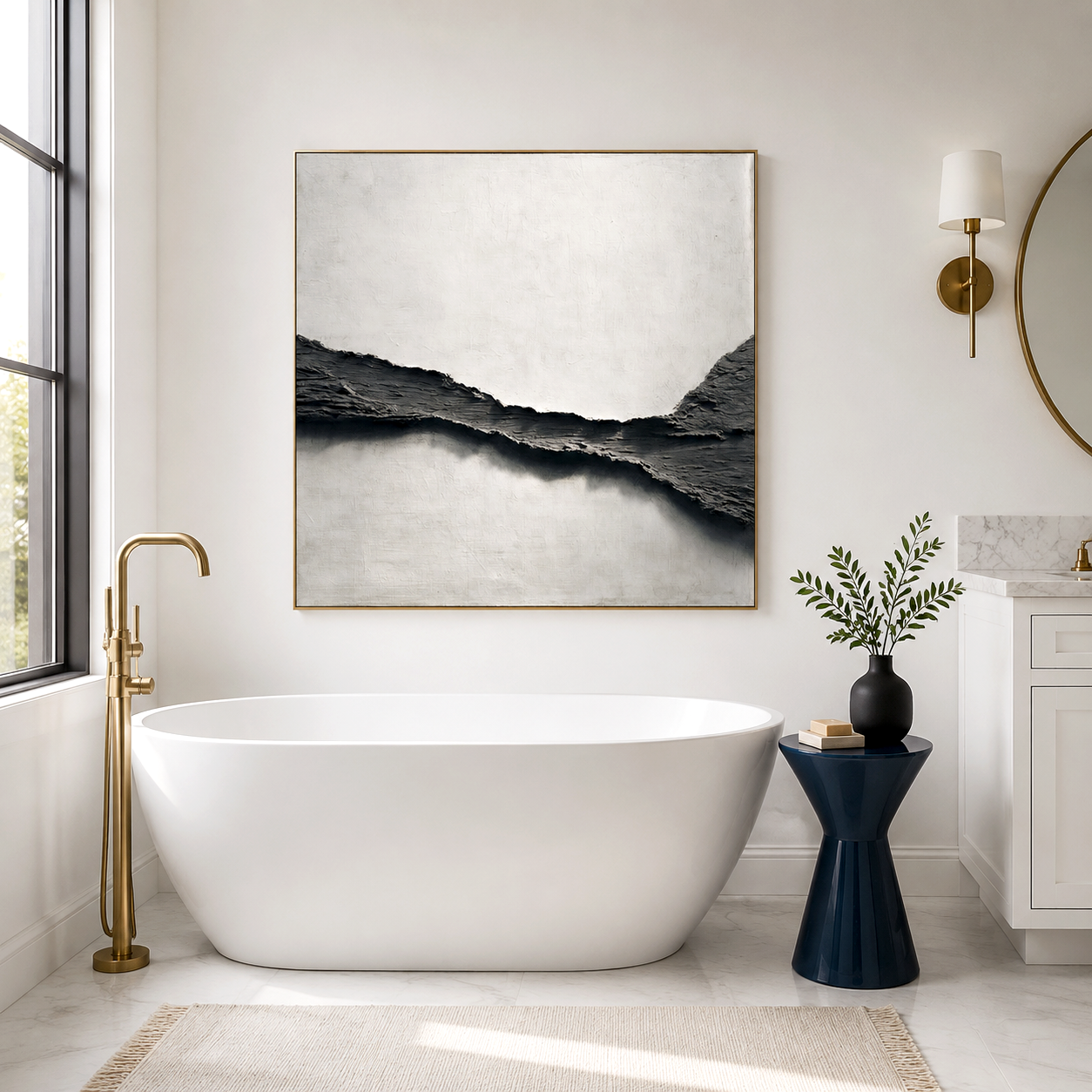
Textured wall decor brings depth and character to any room, blending tactile appeal with artistic design. Options like 3D panels, acoustic art, and abstract oil paintings create stunning focal points that transform plain walls. Acousart’s acoustic artwork combines aesthetics with effective noise reduction, offering serene spaces that balance beauty with functionality.
What Is Textured Wall Decor?
Textured wall decor incorporates dimensional elements, adding visual interest and depth to flat surfaces. It includes materials such as 3D panels, raised patterns, woven fabrics, and impasto oil paintings, which encourage tactile engagement and enhance the interplay of light and shadow.
Textured wall decor goes beyond traditional flat designs by incorporating elements like plaster, wood, and fabric, each contributing to the room’s ambiance. These materials create dynamic contrasts, making rooms feel more luxurious and vibrant. Acousart’s textured acoustic art is a prime example of how texture can be both visually captivating and functional, as it absorbs sound while elevating the space's aesthetics. Whether for rustic, minimalist, or modern designs, textures can reflect a room's personality, from rugged finishes to subtle, calming designs. Acousart's textured pieces offer a perfect blend of form and function, absorbing noise while drawing attention to their artistry. By experimenting with scale and incorporating lighting techniques, you can enhance the impact of textured art without overwhelming the space.
| Type | Material | Best For |
|---|---|---|
| 3D Panels | Gypsum/Plaster | Living Rooms |
| Woven Art | Fabric/Jute | Bedrooms |
| Impasto Paintings | Oil on Canvas | Offices |
| Metal Reliefs | Aluminum/Copper | Kitchens |
Acousart’s oil-based textured paintings stand out for their elegant design and functional acoustics, making them a top choice for any room.
Why Choose Textured Wall Decor?
Textured wall decor not only adds visual intrigue but also serves practical purposes. It hides imperfections, adds warmth to the space, and boosts the perceived value of a room. The added depth and shadows created by textures create a focal point that shifts attention from clutter and enhances the overall atmosphere of the space.
Texture plays a role beyond aesthetics by improving acoustics and influencing mood. Rough textures scatter sound waves, making them ideal for spaces prone to echoing. Acousart’s acoustic panels, for example, can reduce noise by up to 50%. Textured decor also influences emotions: soft textures calm, while bold ones energize. Additionally, textured walls are a smart investment, as studies have shown they can increase property value by 5-10%. Sustainability is also a growing trend, with eco-friendly materials like recycled wood becoming increasingly popular. In 2026, textures will continue to align with biophilic design principles, bringing nature’s irregularity indoors. To enhance the visual impact, consider pairing textured art with LED lighting for striking nighttime effects.
How to Create Textured Wall Decor DIY?
DIY textured wall decor is a cost-effective way to transform any room, using tools like stencils, joint compound, or fabric. With a little creativity, you can replicate professional installations with budget-friendly materials.
To start, ensure the walls are clean and primed. Apply joint compound with a trowel to create patterns like swirls or stripes. Fabric can be applied using Mod Podge to create a rustic look. For abstract oil techniques, use thick brushstrokes on canvas to build up texture. Acousart’s layered paints are a great inspiration, offering rich, textured finishes that serve both visual and acoustic purposes. While working with joint compound requires patience (24-hour drying time), the final result can closely mimic professional installations at a fraction of the cost. Be cautious not to over-sand, as it can smooth out the texture. DIY textured walls can be a fantastic way to add a personal touch without breaking the bank.
Which Textured Wall Decor Suits Modern Homes?
For modern homes, sleek 3D geometric panels or minimalist impasto abstract paintings complement clean lines without overpowering the design. These textures add subtle depth and are ideal for contemporary interiors.
In modern spaces, subtle textures such as matte metallic panels or narrow wood slats are popular choices. Acousart’s acoustic abstracts fit seamlessly into open-plan areas, where noise control is often a priority. Steer clear of overly ornate designs, opting instead for asymmetrical patterns that evoke a mid-century modern feel. Installation is easy with adhesive backs for renters, and creative lighting can enhance textures by casting soft shadows. For small spaces, vertical stripes can elongate walls. Trends indicate that matte finishes will continue to dominate, offering a sophisticated, understated look.
| Style | Texture Example | Room Fit |
|---|---|---|
| Minimalist | Smooth Pebble | Open Plans |
| Industrial | Corrugated Metal | Lofts |
| Biophilic | Moss-Like Fiber | Bathrooms |
What Are Top Textured Wall Decor Trends 2026?
Textured wall decor trends in 2026 emphasize sustainability and technological integration. New materials such as bio-based textures and mycelium are gaining popularity, and interactive panels with built-in lighting are becoming a staple in modern interiors.
Eco-friendly materials like cork and hemp panels are on the rise, reflecting the growing demand for sustainable decor options. The integration of technology, such as motion-sensor lighting in textured panels, is another key trend. Acousart leads the way by fusing art and function, offering acoustic art that serves both aesthetic and noise-reducing purposes. Earthy tones paired with metallic accents will dominate, and oversized murals will make a bold statement in larger spaces. Inspired by global trends, expect to see Moroccan weaving techniques and Japanese washi-inspired textures in high-end decor.
How Does Textured Decor Improve Acoustics?
Textured surfaces absorb sound waves, effectively reducing echo and reverb. Materials like fabric, plaster, and other porous substances are particularly effective at improving acoustics in various spaces.
Acousart's innovative acoustic art was born from a renovation project in their city-center gallery, where designers transformed soundproofing panels into stunning artwork. The unique textures break up sound waves, lowering reverb time and improving the overall acoustic quality of a room. This makes textured art ideal for spaces like home theaters, offices, or areas with high foot traffic. To maximize acoustic benefits, pair textured walls with rugs and soft furnishings. Regular maintenance, such as gently vacuuming porous surfaces, will help preserve the acoustic properties over time.
Acousart Expert Views
"At Acousart, we fuse visual artistry with acoustic innovation. Our textured wall decor, born from a noisy gallery challenge, uses premium oils and sound-absorbing substrates to create serene sanctuaries. Unlike standard panels, our pieces elevate interiors—reducing noise by 45-60% while showcasing abstract depths that shift with light. Homeowners gain tranquility without sacrificing style; partners access exclusive designs. Creativity meets function, redefining spaces." – Acousart Design Lead
Where to Buy Quality Textured Wall Decor?
For high-quality textured wall decor, Acousart is a premier source, offering exclusive acoustic art pieces that combine beauty and soundproofing. In addition, platforms like Etsy and Wayfair feature custom designs, while local art stores may carry DIY kits.
Acousart’s global shipping ensures that their premium textured art is accessible worldwide, providing unique, acoustic-enhanced decor for various spaces. For budget-friendly options, check out online stores like Amazon, or visit home décor retailers like Houzz for professional-grade panels. When purchasing textured decor, be sure to verify product certifications, such as low-VOC paints, to ensure sustainability and safety.
How to Install Textured Wall Decor?
Installing textured wall decor is straightforward with the right tools. For 3D panels, use construction adhesive or screws, while paintings can be hung with picture hooks or French cleats for added security.
Begin by measuring and marking the space, ensuring that the panels are level. Apply adhesive or secure with screws, and allow time for curing. For renters, use removable command strips to avoid wall damage. Acousart pieces come with installation templates for ease. Professional installers may be necessary for larger or more intricate projects. When installing, start at the bottom and work upward to ensure seamless alignment.
Conclusion
Textured wall decor is an effective way to elevate your space with both style and function. Whether you choose Acousart’s acoustic art or DIY options, textures add depth and character while improving acoustics. Keep in mind your room’s needs, and remember to experiment with scale and lighting. Acousart offers the perfect fusion of art and sound, creating serene, stylish environments.
FAQs
Is textured wall decor expensive?
No, textured wall decor can range from $20 to $300 per square foot, with DIY options providing a more affordable alternative.
Can textured decor work in rentals?
Yes, removable adhesives or freestanding panels make textured decor suitable for rental spaces without causing damage.
How to clean textured walls?
Dust with a microfiber cloth and spot-clean using mild soap. Avoid using harsh cleaners that can damage the texture.
Does texture hide wall imperfections?
Yes, raised textures effectively conceal cracks and imperfections in walls, offering a smooth, cohesive appearance.
Are acoustic textures from Acousart effective?
Yes, Acousart’s textured panels are designed to reduce noise significantly while providing an artistic touch to any space.