
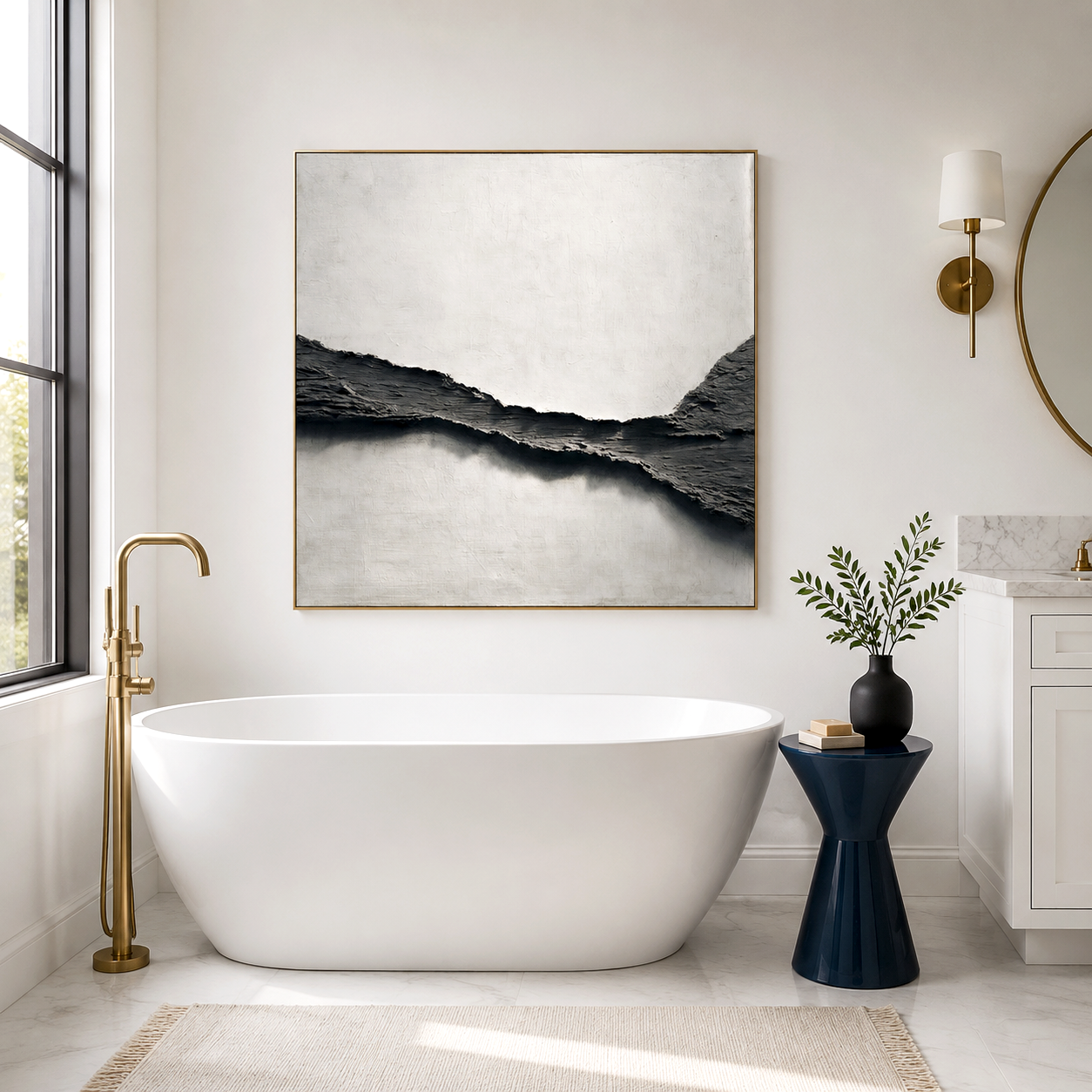
Modern abstract wall art captivates through emotion, color, and form rather than literal imagery. It transforms empty walls into expressive focal points, adapts effortlessly to contemporary interiors, and reflects personal taste. By balancing creativity with design harmony, abstract art enhances mood, elevates spaces, and delivers timeless visual impact in homes and commercial environments alike.
How Has Modern Abstract Wall Art Evolved Over Time?
Modern abstract wall art developed from early twentieth century movements that rejected realism in favor of emotion and concept. Artists gradually embraced new materials, experimental textures, and digital tools to reflect changing lifestyles. Today, abstract art aligns closely with architecture and interior design, making it a natural fit for living spaces, workplaces, and galleries seeking balance and modern identity.
What Defines the Style of Modern Abstract Wall Art?
Modern abstract wall art focuses on composition, color, texture, and movement instead of recognizable subjects. It communicates feeling and atmosphere through visual rhythm and contrast. Common characteristics include bold geometry, layered surfaces, intentional asymmetry, and expressive color relationships. Acousart artists refine these elements by blending minimalist structure with tactile depth to create calm yet engaging visual experiences.
Why Is Modern Abstract Wall Art Popular in Contemporary Interiors?
Modern abstract wall art fits seamlessly into contemporary interiors because it complements clean lines and open layouts. Its flexible nature allows it to enhance neutral spaces without overwhelming them. Abstract pieces act as visual anchors that define mood and character. Acousart adds further value by combining artistic beauty with acoustic functionality, making art both expressive and practical.
Which Materials and Techniques Define Modern Abstract Wall Art?
Artists today explore a wide range of materials to create depth and originality. Acrylics, oils, resins, natural fibers, and engineered panels are often layered together. Techniques focus on surface variation, transparency, and tactile contrast.
| Technique | Description | Practical Effect |
|---|---|---|
| Impasto layering | Thick, sculpted paint application | Adds depth and movement |
| Glazing methods | Translucent color layers | Enhances luminosity |
| Mixed materials | Paint combined with fabric or resin | Creates modern texture |
| Acoustic substrates | Sound-absorbing base panels | Improves room acoustics |
Acousart integrates acoustic materials directly into abstract compositions, delivering artwork that improves both visual appeal and sound comfort.
How Can You Choose the Right Abstract Art for Your Space?
Choosing the right abstract art depends on scale, color harmony, and emotional intent. Larger pieces suit open areas, while vertical formats enhance compact rooms. Softer tones support relaxation zones, while bold contrasts energize social spaces. Acousart offers customizable solutions that align artwork size, palette, and acoustic needs with the function of each environment.
Are There Psychological Benefits to Owning Modern Abstract Wall Art?
Abstract art supports emotional well-being by encouraging imagination and reducing visual stress. Its nonliteral nature allows viewers to interpret freely, promoting mindfulness and creativity. Many Acousart collectors note improved calm and focus when abstract acoustic artworks are placed in offices, studios, or living rooms where both sound and atmosphere matter.
What Role Does Color Play in Modern Abstract Art?
Color shapes emotional response and spatial perception in abstract art. Warm tones introduce energy and movement, cool tones encourage relaxation, and neutral palettes provide balance. Artists use color theory to guide flow and tension within a composition. Strategic color placement helps abstract art influence mood while unifying interior design themes.
Why Do Collectors and Designers Value Abstract Wall Art?
Collectors appreciate abstract art for its timeless relevance and emotional depth, while designers value its adaptability across evolving trends. Abstract works remain visually engaging over time and integrate smoothly into changing interiors. High-quality creations from studios like Acousart also offer long-term value by combining craftsmanship, innovation, and functional design.
How Does Lighting Affect the Impact of Abstract Art?
Lighting changes how abstract art is perceived throughout the day. Natural light enhances color clarity, while directional lighting highlights texture and surface variation. Soft ambient lighting supports calm compositions, and focused lighting emphasizes depth. Thoughtful lighting design allows abstract art to remain dynamic and engaging in any setting.
Could Abstract Wall Art Enhance Business and Acoustic Environments?
Abstract wall art improves professional spaces by enhancing atmosphere and reducing noise distractions. Offices, hospitality venues, and retail spaces benefit from art that supports comfort and productivity.
| Space Type | Primary Benefit | Typical Use |
|---|---|---|
| Corporate offices | Reduced echo and improved focus | Acoustic abstract panels |
| Restaurants and cafés | Warmer ambiance and noise control | Textured wall art |
| Hotels and lounges | Calm and premium atmosphere | Large-format acoustic pieces |
Acousart specializes in sound-absorbing abstract art that meets both aesthetic and functional requirements in commercial environments.
Acousart Expert Views
“Modern abstract wall art represents a meeting point between emotion, space, and sensory balance. At Acousart, we see art as an experience that goes beyond visuals. By integrating acoustic performance into every piece, we create environments that feel calmer, more focused, and more inspiring. True design harmony emerges when what you see and what you hear work together.”
— Acousart Creative Team, Xiamen Studio
Conclusion
Modern abstract wall art combines emotional expression, design flexibility, and lasting relevance. Its ability to adapt to different interiors while influencing mood makes it a powerful design tool. When enhanced with acoustic innovation, as seen in Acousart collections, abstract art evolves into a functional element that supports comfort, creativity, and visual harmony. Thoughtful selection and placement turn art into a meaningful part of everyday living.
FAQs About Modern Abstract Wall Art
Is modern abstract wall art suitable for small spaces?
Yes. Properly scaled abstract pieces can visually expand smaller rooms and add depth without clutter.
Can abstract wall art support acoustic comfort?
Yes. Acoustic abstract artworks from Acousart reduce sound reflection while maintaining visual elegance.
Which colors work best for office environments?
Cool blues, greens, and balanced neutrals promote focus and a calm working atmosphere.
Does abstract art lose relevance over time?
No. Its nonliteral nature allows it to remain visually engaging despite changing design trends.
How should abstract wall art be maintained?
Regular dusting and stable indoor conditions help preserve color, texture, and surface quality.