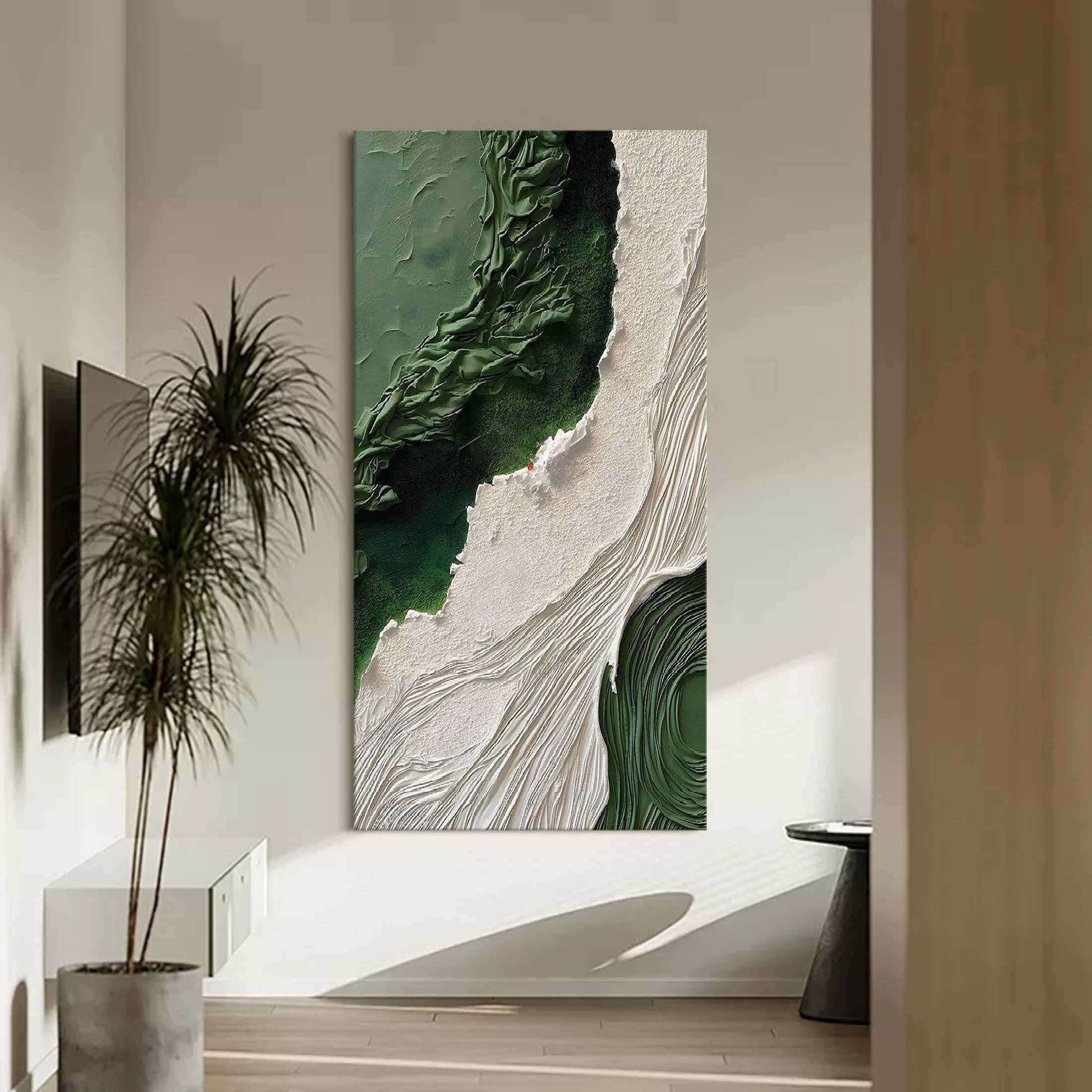
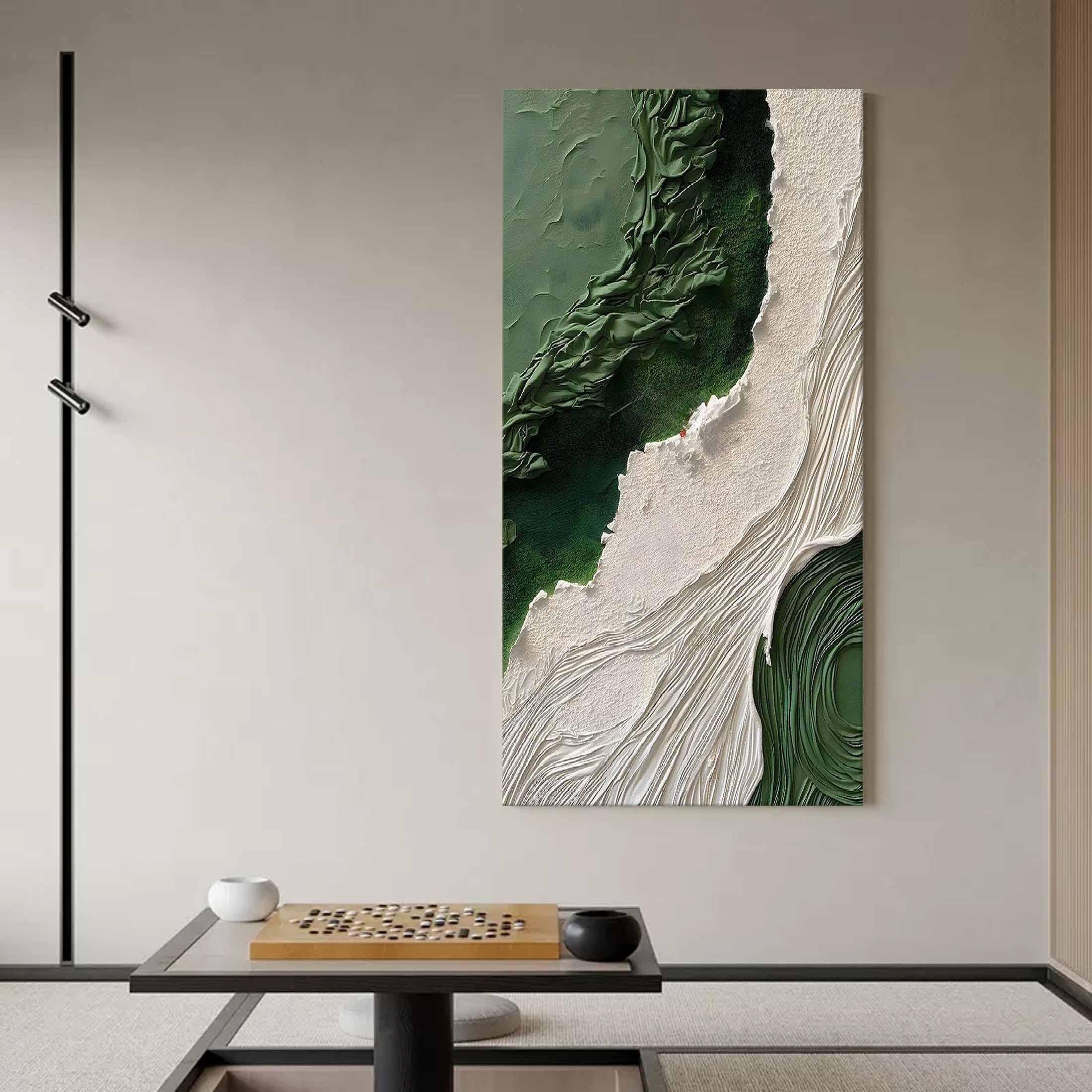
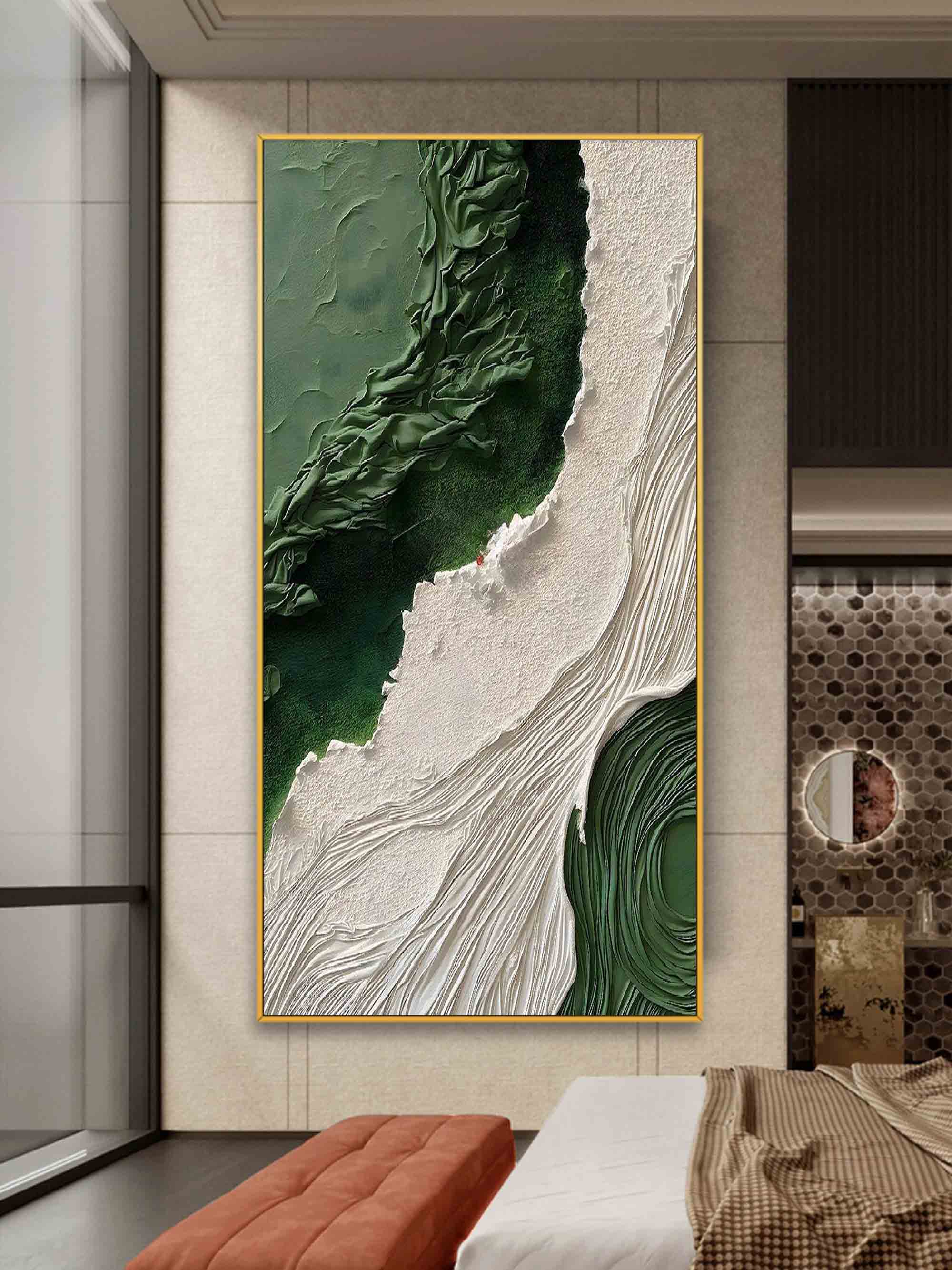

In the era of contemporary interiors and open-concept living, abstract minimalist painting has emerged as one of the most sought-after art trends for stylish homes. Minimalism strips away clutter, emphasizing texture, tone, and emotional balance rather than intricate scenes or figurative forms. The beauty of modern abstract wall art lies in its quiet sophistication—it allows the viewer to interpret freely, infusing each space with individuality and subtle character. For homeowners and collectors seeking to express calm, creativity, and authenticity, this approach to interpretive art for home decoration offers endless possibilities.
The Essence of Abstract Minimalism
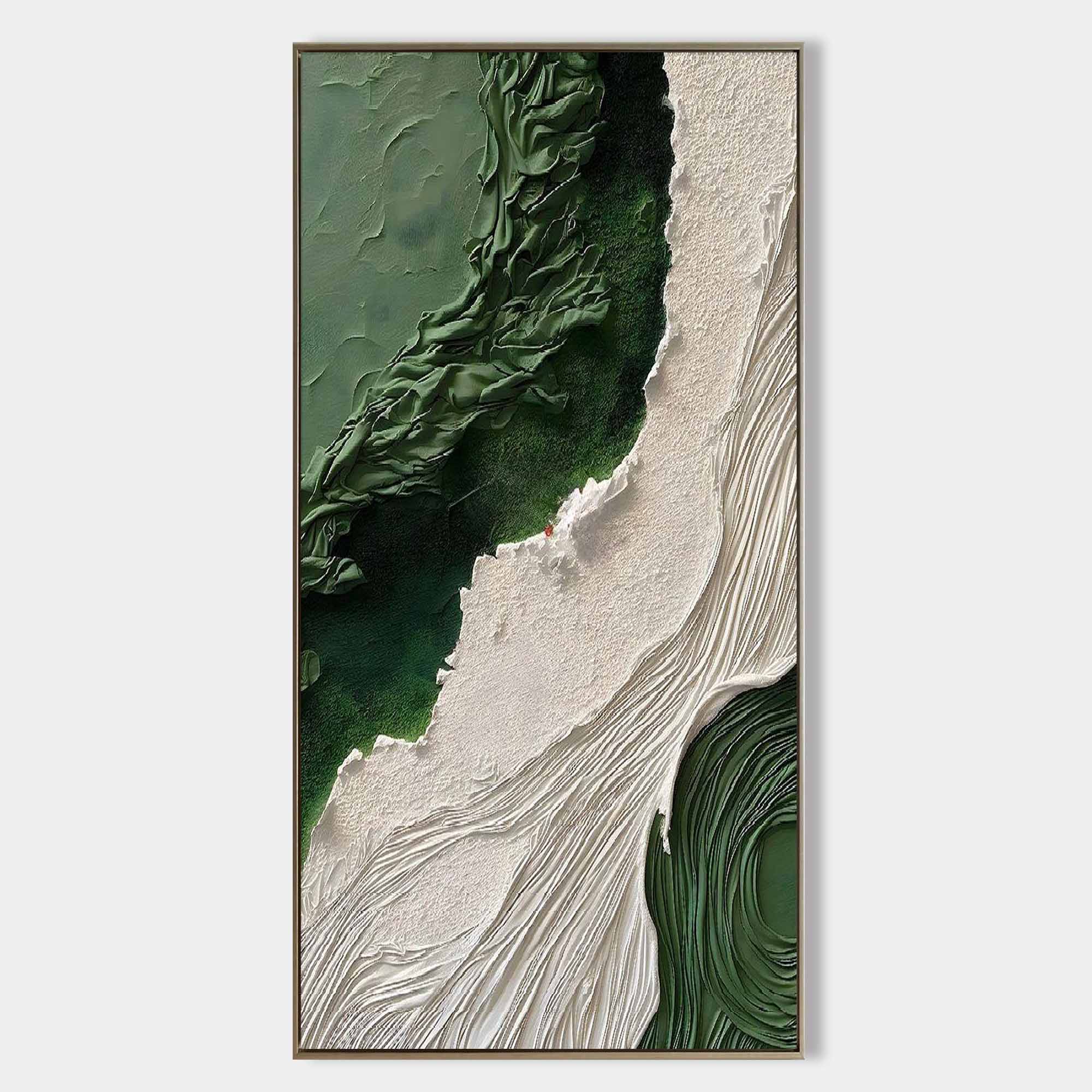
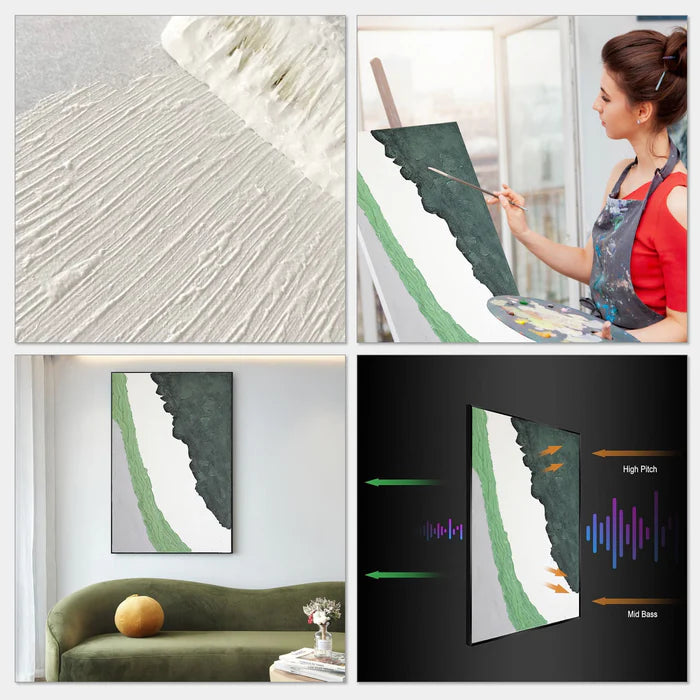
Abstract minimalist painting focuses on simplicity and essence. Instead of telling a literal story, it engages through geometry, color fields, and subtle brushwork. Works like Serenity in Bloom epitomize this balance—soft gradients, layered hues, and sweeping negative space invite viewers into silent reflection. Each composition becomes an emotional mirror rather than a decorative motif, allowing your wall to speak quietly yet powerfully.
Many art buyers equate minimalism with restraint, but in truth, it requires deep discipline and vision. Every stroke, patch of white space, or shift in tonal contrast has intent. Where traditional abstract art might explore chaos or tension, minimalist abstraction thrives on silence and breathing room. When combined with natural light or textured surfaces like linen canvases, it elevates an ordinary room into a serene environment.
Market Trends and Collector Insights
According to global art reports, demand for modern abstract wall art and minimalist interior paintings has surged, particularly in cosmopolitan markets such as Hong Kong, London, and New York. Buyers are drawn to art that harmonizes with architectural design trends—muted neutrals, sustainable materials, and functional elegance. The rise of home-based work and wellness-focused design has further strengthened this movement, positioning interpretive art for home spaces as both an investment and a lifestyle choice.
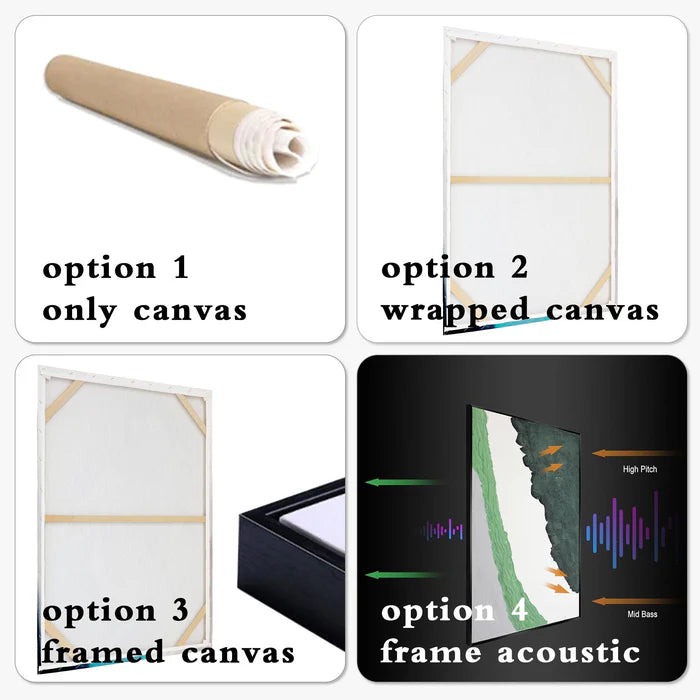
Acousart is a Xiamen-based art collective dedicated to bringing innovative, high-quality artwork to homes, galleries, and commercial spaces. Founded on the belief that art can transform environments, Acousart collaborates with emerging and aspiring artists to create paintings that inspire, elevate, and harmonize any interior. Our journey began by blending acoustic function with modern design, creating art that transforms silence into beauty and ambiance into balance.
Choosing Art That Reflects You
The process of selecting abstract minimalist painting should begin with introspection. Consider what emotions you want your space to evoke: clarity, peace, strength, or contemplation. Minimalist works engage your subconscious through proportion and subtle rhythm. When choosing modern abstract wall art, observe how the interplay of color temperature and linear composition resonates with your personality.
For instance, Serenity in Bloom may appeal to someone craving calm and order through soft layers of beige, cream, and muted blush. Meanwhile, structured compositions with bolder contrasts—deep charcoal against ivory fields—evoke confidence and decisive energy. The key lies in matching emotional resonance with the architectural mood of your home.
Aesthetic Value and Home Integration
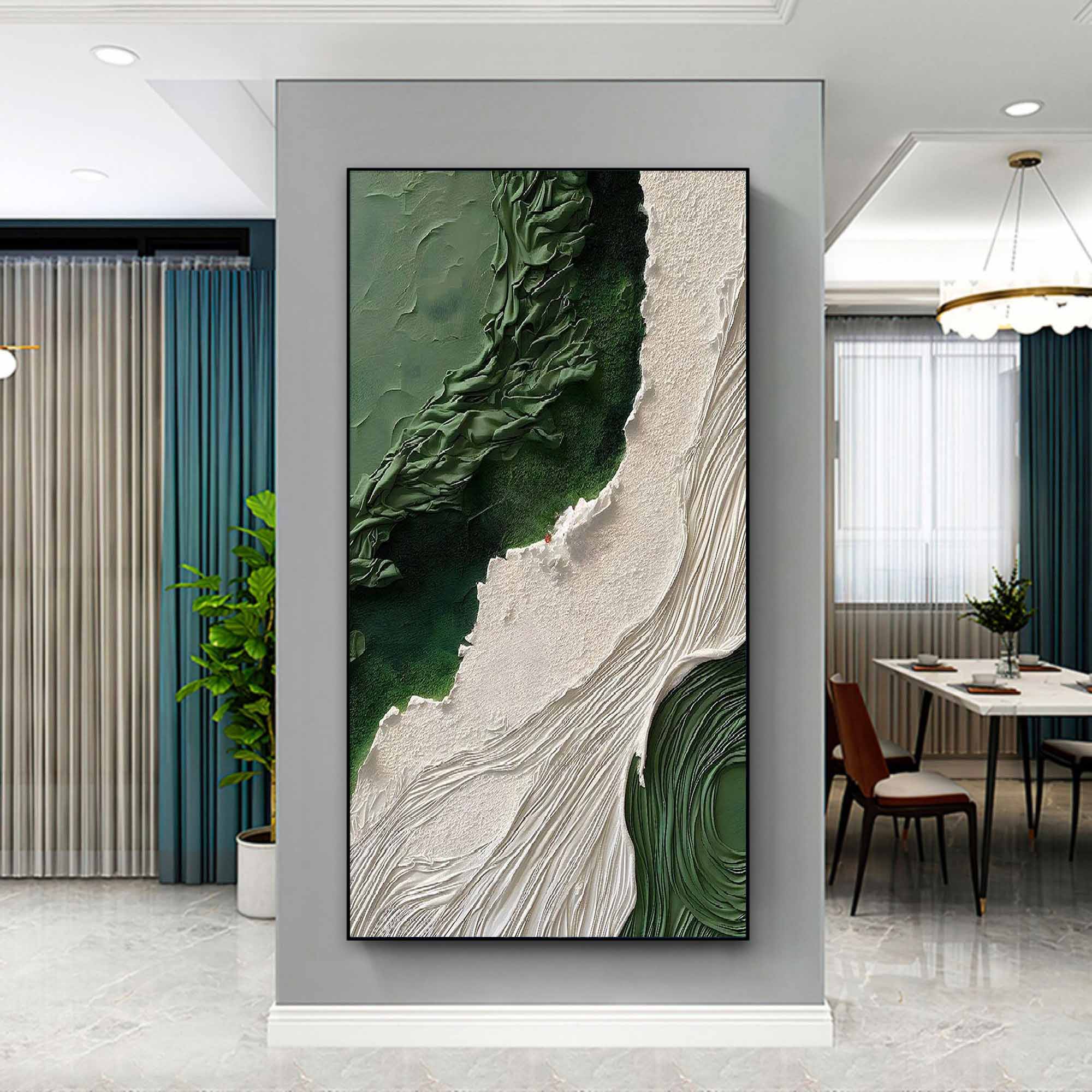
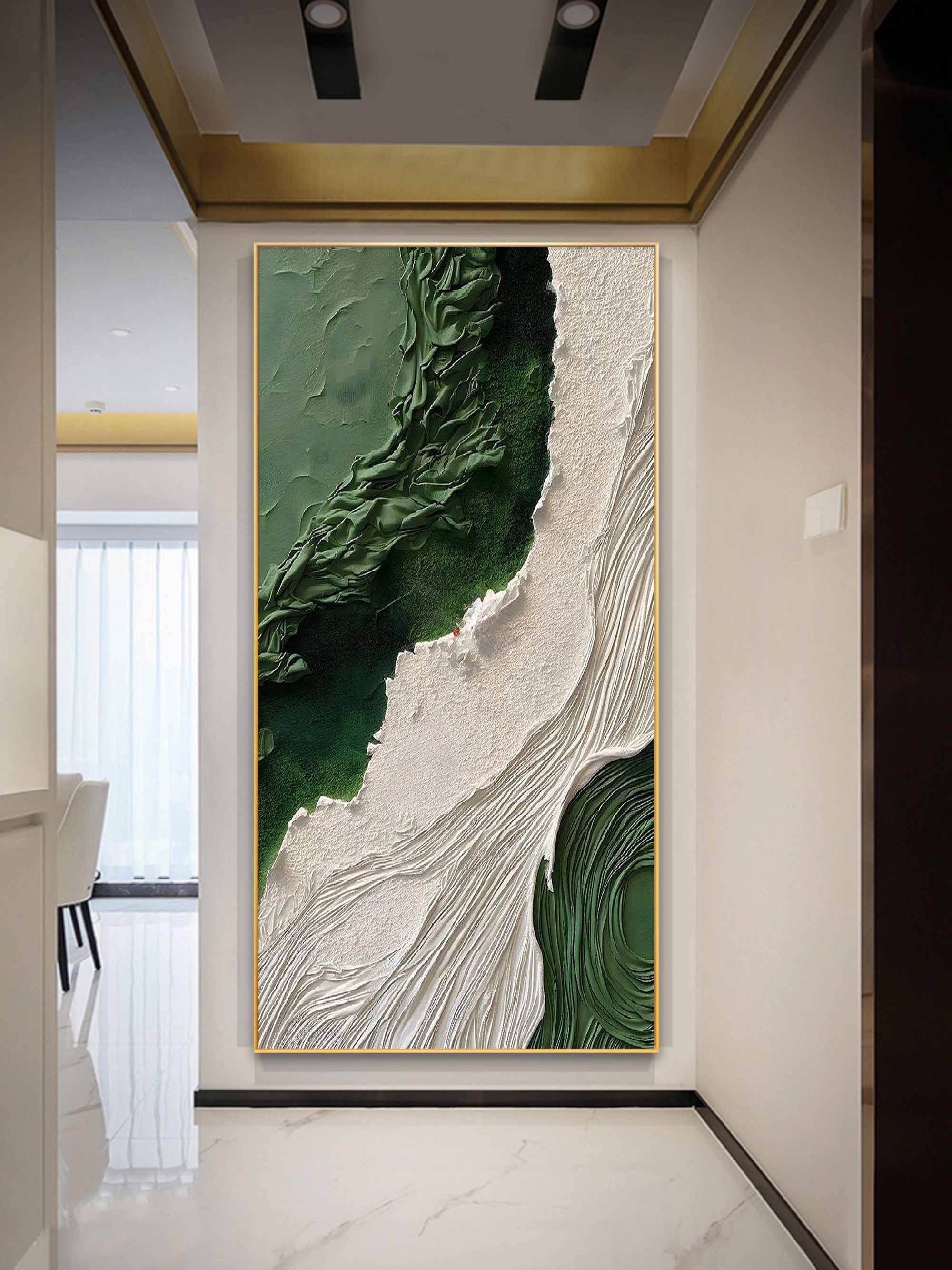
Interpretive art for home spaces thrives when thoughtfully placed. In minimalist decor, an oversized canvas can serve as a room’s central feature, anchoring both form and flow. In Scandinavian or Japandi-inspired interiors, soft-hued abstract panels reinforce visual harmony, while in industrial lofts, bold minimalism offsets raw materials with quiet refinement. Lighting enhances depth: diffuse daylight brings subtle vibrancy, while warm LEDs reveal textural depth after dusk.
Competitor Comparison Matrix
Real Homes, Real Transformations
A Hong Kong homeowner integrated a pair of minimalist canvases into a floating staircase, where soft ivory tones complemented the natural oak treads. The result was an atmosphere that reduced visual noise and enhanced light diffusion. Another client in Singapore installed large-scale modern abstract wall art in their open dining area, shifting the spatial energy from sterile to soulful—without altering furniture or color schemes. These examples show how interpretive art for home settings creates aesthetic ROI by blending sophistication with tranquility.
Future Trends in Minimalist Abstract Art
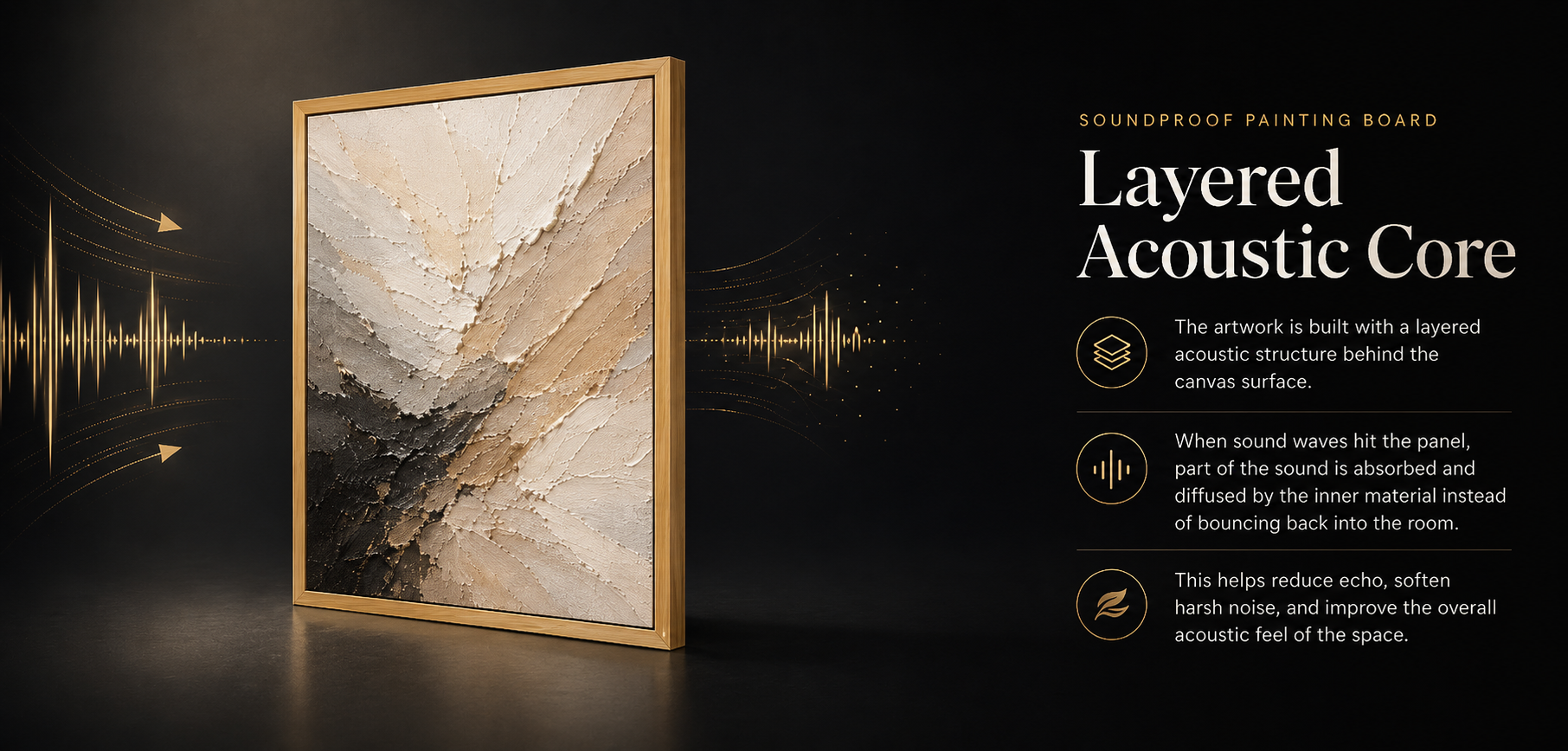
The next evolution of abstract minimalist painting aligns with sustainability and technology. Artists are experimenting with biodegradable pigments, recycled fibers, and digital layering that mimics tactile paint. Sculptural canvases and acoustic wall art will also continue to rise, merging sensory comfort with visual serenity. Collectors can expect more cross-disciplinary designs—pieces that adapt fluidly between residential, commercial, and hospitality spaces while preserving the essence of minimalism.
Core Takeaway
Abstract minimalist painting is not just decoration—it is philosophy translated into form. Each piece of modern abstract wall art reflects personal pace, awareness, and emotional depth. When thoughtfully selected, interpretive art for home environments becomes a meditation on space and simplicity, guiding you toward interiors that inspire focus and peace.