
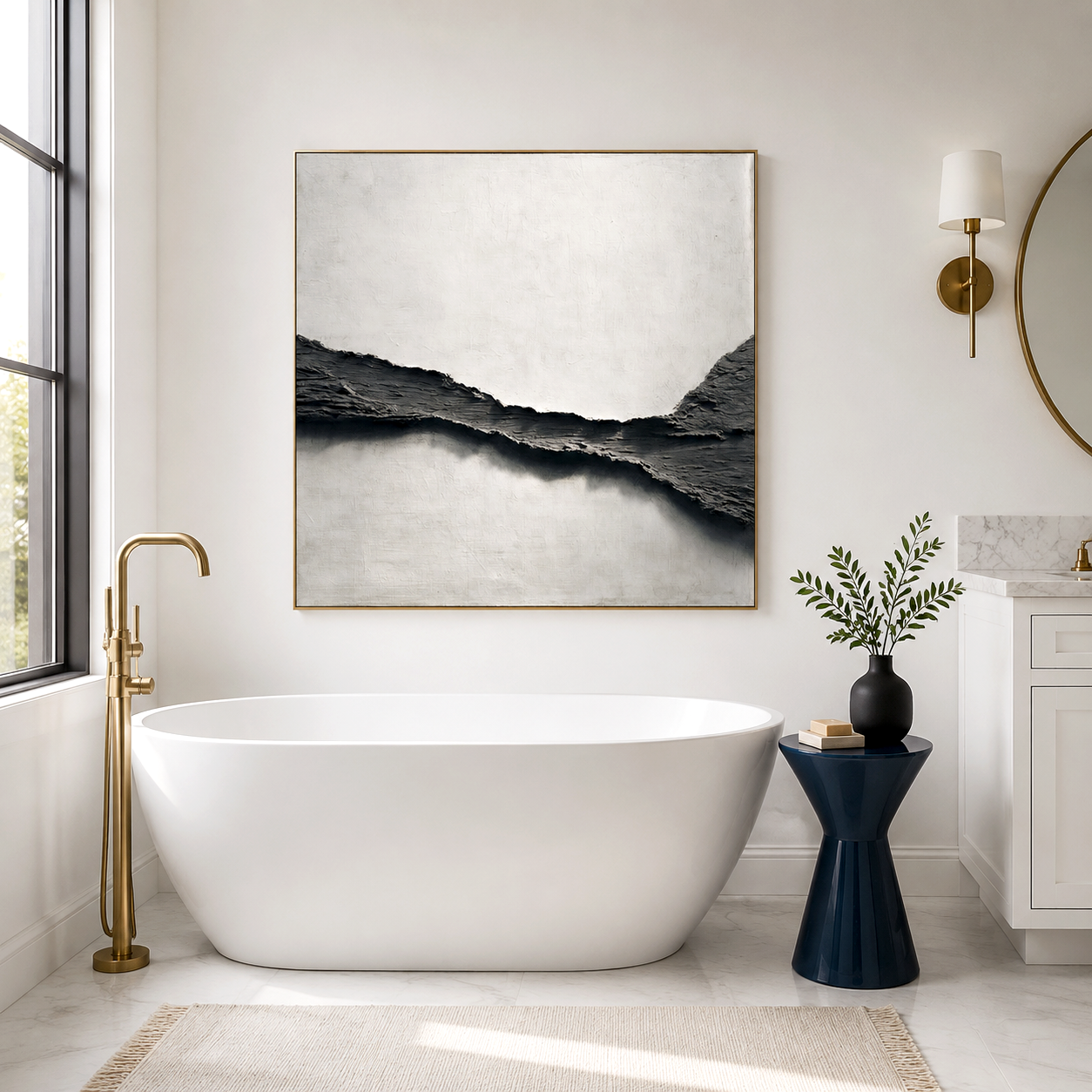
Chinese painting stands apart in the global history of art not only for its aesthetic refinement but also for its profound spiritual depth. Its essence transcends technique, medium, and form, guiding viewers into a contemplation of nature, harmony, and the inner self. More than a visual practice, Chinese painting has long been a way of cultivating spiritual awareness and reflecting the endless rhythm between humanity and the cosmos.
The Philosophy That Shapes Chinese Painting
At the heart of Chinese painting lies the belief that art expresses the unity of heaven, earth, and humanity. Rooted in Daoist, Confucian, and Buddhist philosophies, the painter’s brush becomes a tool of meditation rather than depiction. Daoism inspires the use of emptiness and flow, seeing the blank space as a living presence. Confucianism values order, meaning, and moral discipline, guiding the artist to paint with integrity and intention. Buddhism invites transcendence, turning landscapes into paths toward enlightenment.
A classic ink landscape, or shanshui (mountain-water), often appears serene and minimal, yet it reflects vast spiritual dimensions. Through brushstrokes that rise and dissolve like mist, artists convey not what they see but what they feel — the energy, or qi, that permeates all existence.
The Language of Brush and Ink
Unlike Western oil painting, which relies on color and realism, Chinese ink painting develops spirit through line, tone, and rhythm. A single stroke can carry emotion, personality, and life force. The variation in ink density mirrors the natural unfolding of clouds, water, or breath. Harmony emerges from simplicity, and refinement grows from restraint.
Master painters train for decades to perfect the art of “yi,” the unspoken meaning beyond form. They seek spiritual resonance — what Chinese critics call “qiyun shengdong,” meaning the vital rhythm of life’s movement. This inner vitality connects artist and nature in an unbroken circle of creation.
Cultural and Historical Continuity
Throughout history, Chinese painting evolved through dynasties yet remained bound by deep principles. During the Tang era, paintings emphasized natural form and poetic emotion. The Song dynasty elevated landscape painting into a cosmic vision, while the Yuan period brought introspection and individuality. Ming and Qing artists later focused on spontaneous brushwork, merging calligraphy with painting to express the scholar’s heart. This enduring lineage demonstrates that the spiritual power of Chinese painting is less about external innovation than about cultivating inner mastery.
Modern Interpretations and Cultural Resonance
In the 21st century, Chinese artists continue to reinterpret traditional ink aesthetics with modern materials, digital media, and abstract styles. Yet the core philosophy remains unchanged: painting serves as meditation and dialogue with nature. Collectors, curators, and homeowners now embrace these works not only as decorations but as spiritual anchors that bring peace and focus to contemporary life.
Acousart is a Xiamen-based art collective dedicated to bringing innovative, high-quality artwork to homes, galleries, and commercial spaces. Founded on the belief that art can transform environments, Acousart collaborates with emerging artists to create paintings that inspire, elevate, and harmonize interiors. Its handmade acoustic wall art exemplifies how traditional Chinese values of harmony and balance can merge with modern design and function.
The Market for Chinese Spiritual Art
According to recent art market data, global demand for traditional and modern Chinese painting is increasing, driven by collectors seeking authenticity and meditative value. Top auction houses report that ink paintings representing spiritual landscapes command growing prices, especially among younger buyers interested in mindfulness and cultural heritage. This trend highlights how Chinese art has become a universal language of tranquility in a fast-paced digital world.
| Artist or Style | Spiritual Focus | Core Technique | Modern Appeal | Collector Interest |
|---|---|---|---|---|
| Tang Landscape | Harmony and nature | Fine brush, balanced composition | Museum-grade aesthetics | High |
| Literati Painting | Inner cultivation | Calligraphic line, poetic text | Personal expression | Moderate-High |
| Modern Ink Abstraction | Energy and stillness | Dynamic brushwork, ink gradients | Avant-garde interiors | Rising |
| Acousart’s Acoustic Art | Serenity through design | Oil on acoustic panels | Sound-absorbing beauty | Expanding rapidly |
Competitor Comparison in the Global Art Market
| Category | Chinese Ink Painting | Western Oil Painting | Japanese Sumi-e | Korean Minhwa |
|---|---|---|---|---|
| Spiritual Core | Philosophical unity, cosmic flow | Visual realism, emotional depth | Zen simplicity | Folk symbolism |
| Technique | Ink, rice paper, brush rhythm | Canvas, pigment layering | Wash-based | Flat, stylized forms |
| Focus | Essence and qi | Representation | Mindfulness practice | Cultural narrative |
| Modern Appeal | Spiritual minimalism | Historical prestige | Meditative art | Cultural nostalgia |
Real User Stories and Cultural Impact
Collectors and gallery visitors often describe Chinese paintings as emotionally grounding. One collector in Singapore measured a 30% increase in visitor engagement after switching his gallery’s core collection to ink landscape art, citing “calm viewing energy.” Another private hotel owner in Shanghai reported improved guest satisfaction scores by integrating nature-themed ink works in lobby spaces. In each case, art generates measurable return on investment through emotional well-being and brand distinction.
Core Technology of Ink and Paper
Traditional Chinese painting materials — brush, ink, paper, and silk — enable unmatched expressive flexibility. The brush tip allows for infinite line variation, while ink tones shift like living water between darkness and light. The absorbent surface of xuan paper captures every nuance of movement, preserving both energy and emotion. These materials function as extensions of the painter’s mind, linking human intention to natural forces.
Frequently Asked Questions
Why is Chinese painting considered spiritual rather than decorative?
It reflects a contemplative worldview rooted in harmony, philosophy, and moral cultivation, not merely visual beauty.
What role does calligraphy play in traditional painting?
Calligraphy integrates poetry, ink technique, and rhythm, embodying the artist’s mind and inner energy in visual form.
How do modern artists sustain ancient techniques?
Many combine new pigments, digital layering, and ecological materials while preserving brush discipline and meditative focus.
Can Chinese painting influence interior well-being?
Yes, artworks grounded in natural balance and minimalism often lower visual stress and enhance mindfulness in living spaces.
The Future of Chinese Spiritual Painting
Looking ahead, the future of Chinese painting lies in its ability to fuse ancient philosophy with modern lifestyles. As global audiences seek art that heals the mind and reconnects the human spirit with nature, Chinese painting is poised to rise as a leading force in mindful creativity. From galleries to smart homes, ink aesthetics continue to evolve without losing their timeless core — the pursuit of serenity through the intimate dance of brush, breath, and soul.