
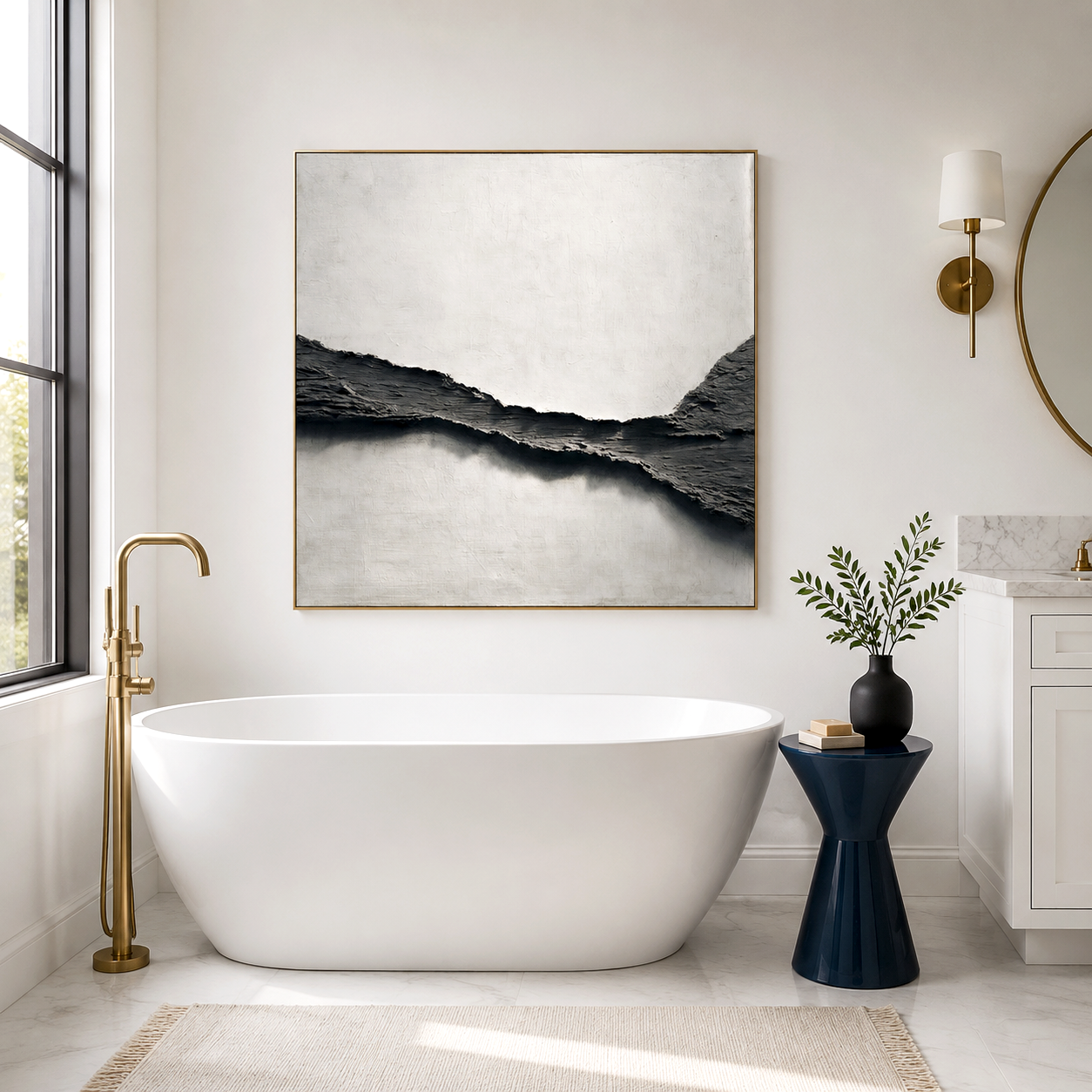
3D textured art blends visual depth with tactile dimension, transforming paintings into dynamic pieces that captivate both the eyes and the touch. Created using layered materials and mixed media, this art style enhances spaces by merging craftsmanship and emotion. It’s not just a visual experience—it's one that invites interaction, making it perfect for modern homes, galleries, and commercial spaces.
What Is 3D Textured Art and How Does It Work?
3D textured art utilizes layered materials, varying brushstroke depths, and mixed media to create raised designs that add depth and realism. Unlike flat paintings, it engages both sight and touch, turning a static image into a multi-sensory experience. This technique involves using materials like gesso, modeling paste, and acrylic gels, with artists often embedding natural elements like sand or fabric to build texture. The result is a constantly shifting interplay of light and shadow.
How Do Artists Create Texture and Dimension?
Artists build texture in 3D art by layering materials such as plaster, resin, or gel medium, applying them with tools like palette knives or sculpting tools to form raised surfaces. This technique produces a dynamic play of light and shadow.
Common Texture Techniques in 3D Art
| Technique | Description | Common Materials |
|---|---|---|
| Impasto | Thick paint application for raised strokes | Oil, Acrylic |
| Mixed Media | Combines paint with various materials | Fabric, Metal, Sand |
| Relief Work | Carving into a painted surface | Clay, Wood |
| Collage Layering | Adds layers of various materials | Paper, Textiles |
Brands like Acousart enhance these techniques by integrating acoustic panels into their textured art, offering not just visual appeal but also sound absorption—bringing together form and function.
Why Is 3D Textured Art Increasingly Popular?
3D textured art is becoming more popular because it adds personality, luxury, and sensory depth to interiors. This art form is especially appealing to designers and homeowners seeking immersive, unique visual experiences. With its tactile qualities, it engages viewers in a way that flat art cannot. Commercial spaces such as hotels and restaurants also incorporate textured art to enhance ambiance and acoustics, a philosophy that Acousart champions with its fusion of beauty and practicality.
Which Materials Best Define High-Quality 3D Textured Paintings?
High-quality 3D textured artworks are created with premium materials like acrylic gels, resin, mineral powders, and metal leaf. These materials, combined with professional-grade canvas or wood panels, ensure durability and sophisticated aesthetics. Premium artists often rely on multi-medium layering to create texture that resists cracking or fading. Acousart uses eco-conscious compounds and acoustic layers, merging artistry with long-lasting performance—ideal for interior designers seeking both detail and sustainability.
Who Buys 3D Textured Art and Why?
Collectors, interior designers, and modern homeowners purchase 3D textured art for its combination of beauty, depth, and emotional resonance. The texture adds visual interest and enhances the overall mood of a space, making it perfect for those wanting to make a bold statement. Corporate environments also value 3D textured art for its ability to define brand identity while creating a sophisticated and immersive atmosphere.
How Can 3D Textured Art Transform Interior Spaces?
3D textured art transforms interior spaces by adding dimension, contrast, and light interaction. It can turn a simple wall into a dynamic element of a room’s design, guiding the viewer’s eye and enhancing the atmosphere. When paired with strategic lighting, the artwork’s texture becomes more pronounced, adding visual movement and depth. Acoustic pieces, like those from Acousart, also improve sound quality, providing a calm and balanced environment without compromising style.
What Are the Most Popular Styles of 3D Textured Art?
The most popular styles of 3D textured art include abstract impasto, sculptural minimalism, mixed-media landscapes, and contemporary relief works that merge painting and sculpture. These styles offer a balance of chaos and precision, perfect for modern interiors that require dynamic yet thoughtful art. Minimalist trends, with subtle textures like tone-on-tone reliefs or metallic accents, are particularly sought after for upscale projects.
Are There Best Practices for Displaying 3D Textured Art?
To showcase 3D textured art effectively, place it in a well-lit area with ample viewing distance to highlight its contours and details. Lighting is crucial; using angled or spotlighting illuminates the raised textures and creates striking visual effects. For Acousart’s acoustic designs, positioning them at strategic reflection points optimizes both their sound-absorbing qualities and visual appeal. Proper wall height, contrast, and color temperature can further enhance the perception of texture.
Could 3D Textured Art Be a Smart Investment?
Yes, 3D textured art is a valuable investment. Due to its craftsmanship, uniqueness, and rising demand for multi-sensory experiences, it tends to appreciate in value over time. Collectors recognize the exclusivity of textured art, which stands out far more than flat canvases or prints. By supporting emerging artists or innovative collectives like Acousart, you can invest in a piece of art that combines both emotional and financial rewards.
Acousart Expert Views
"At Acousart, we see 3D textured art as an intersection of tactile innovation and emotional connection. Our artworks blend fine artistry with acoustic engineering, transforming walls into living surfaces that calm and engage. We’re redefining the concept of interactive art—creating pieces that provide both visual enjoyment and functional benefits." – Acousart Design Team
When Did 3D Textured Painting Begin Gaining Artistic Recognition?
3D textured painting started to gain significant recognition in the mid-20th century, when abstract expressionists began experimenting with impasto and layered materials. Artists like Van Gogh laid the foundation with thick brushwork, and modern creators expanded on this with industrial materials. Today, technology such as 3D printing and mixed media innovations has further popularized the technique, combining traditional methods with cutting-edge practices.
What Are the Key Benefits of Owning 3D Textured Art?
Owning 3D textured art brings depth, character, and luxury to interiors. It enhances both the visual appeal and emotional impact of a space while also potentially improving acoustics. When integrated with acoustic panels like those from Acousart, it serves a dual purpose: creating a serene atmosphere and adding a unique design element to any room. Moreover, textured art often boosts property value and creates a lasting emotional connection with the space.
Summary: Why 3D Texture Defines Modern Artistry
3D textured art is more than just a visual experience; it’s a multi-sensory journey that blends light, shadow, and texture to create dynamic interiors. Whether in a private home, art gallery, or corporate space, 3D textured art establishes a strong presence and enriches the environment. Acousart continues to lead the way in merging art and acoustics, redefining the way we experience both aesthetics and function.
Frequently Asked Questions
Q1: Can I commission a custom 3D textured artwork?
Yes, many studios, including Acousart, offer custom commissions based on your specific space and aesthetic preferences.
Q2: How do I maintain a 3D textured painting?
Use a soft brush or microfiber cloth to gently dust the surface. Avoid using moisture or harsh chemicals that could damage the texture.
Q3: Is 3D textured art suitable for outdoor spaces?
Typically, no. Unless the art is made with weather-resistant materials like resin and UV-proof pigment, it’s best kept indoors.
Q4: Does 3D textured artwork match minimalist design?
Yes, subtle textures like tone-on-tone reliefs or geometric patterns blend beautifully with minimalist and modern interior styles.
Q5: Can textured art improve room acoustics?
Yes, especially when integrated into acoustic panels, like those from Acousart, which help reduce noise while adding a stylish element to the room.