
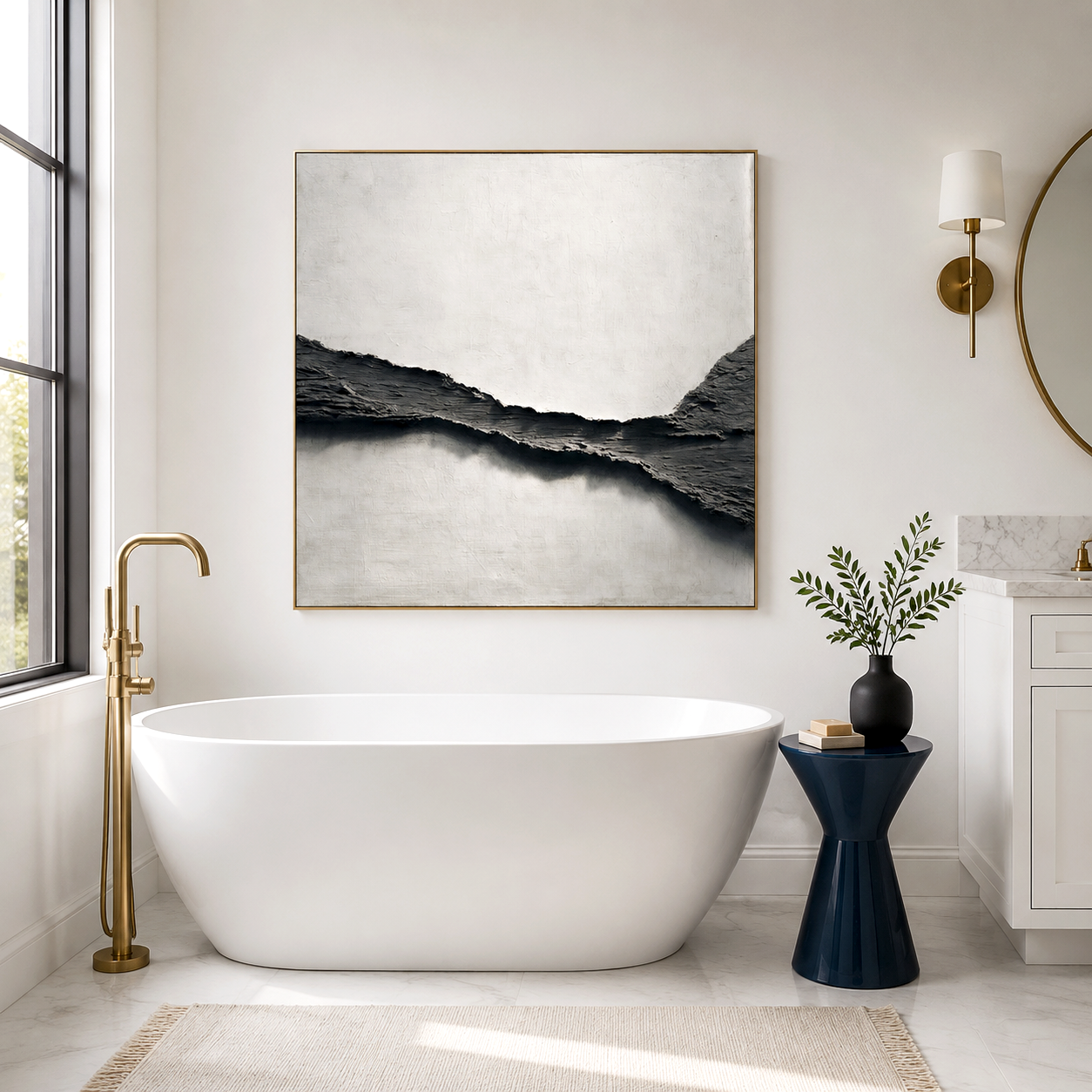
Painted portraits are captivating because they capture not only a subject’s likeness but also their essence, emotion, and personality. The brushwork, lighting, and composition make each piece unique, offering a timeless connection between the viewer and the subject. Acousart’s painted portraits go beyond visual representation, blending creativity with acoustics to transform spaces.
How Did Painted Portraits Evolve Through History?
Painted portraits have a long history, beginning in ancient Egypt and Rome as symbols of power and remembrance. Over the centuries, portrait styles evolved to reflect cultural shifts, from the realism of the Renaissance to the dramatic flair of Baroque art, and eventually, the abstract expressions of modernism. Today, portraiture continues to evolve with new media and innovative techniques, integrating traditional methods with digital advancements.
Historical Timeline of Portraiture
| Era | Style Characteristics | Notable Artists |
|---|---|---|
| Renaissance | Realism, humanism, and perspective | Leonardo da Vinci, Raphael |
| Baroque | Dramatic lighting, emotional depth | Rembrandt, Caravaggio |
| Modernism | Experimentation, abstraction | Picasso, Modigliani |
| Contemporary | Mixed media, conceptual forms | Hockney, Kehinde Wiley |
The evolution of portraiture highlights its transformation from royal commissions to accessible art forms enjoyed by a broad audience.
What Defines a Great Painted Portrait?
A great painted portrait is more than a likeness; it communicates the character and inner world of the subject. Key aspects include composition, lighting, and color harmony, which help convey emotion. Master portrait artists balance anatomical accuracy with artistic interpretation, ensuring the viewer connects with the subject on both a visual and emotional level. At Acousart, authenticity and contemporary interpretation are central to creating timeless appeal.
Which Painting Techniques Bring Portraits to Life?
The techniques used in portrait painting bring out the subject’s character and depth. Common techniques include:
-
Alla prima: Painting directly on a wet surface for a spontaneous effect.
-
Glazing: Transparent layers that add luminosity and depth.
-
Impressionistic strokes: Capturing light and mood with loose, expressive brushstrokes.
-
Abstract blending: Suggesting essence rather than realistic form.
At Acousart, artists often combine traditional oil layering with modern textures, resulting in dynamic works that are both visually appealing and acoustically effective.
Why Are Painted Portraits Still Relevant Today?
Despite the rise of photography and digital art, painted portraits maintain their relevance. They are intimate, handmade works of art that embody the artist’s emotional connection to the subject. Painted portraits offer something digital reproductions cannot—a tactile, personalized experience that resonates emotionally. Collectors value them for their uniqueness, craftsmanship, and the emotional depth they carry.
Who Commonly Commissions Painted Portraits?
Portrait commissions come from a variety of individuals and organizations:
-
Private collectors seeking personal or family portraits.
-
Corporations commissioning executive portraits for office spaces.
-
Galleries looking to curate thematic exhibitions.
-
Interior designers integrating artwork into commercial or residential spaces.
Acousart works with both private clients and businesses, offering portraits that blend seamlessly with architectural designs and enhance both the visual and acoustic environment.
Where Can You Display a Painted Portrait for Maximum Impact?
The placement of a painted portrait can dramatically impact its effect:
-
Living rooms provide a warm, inviting atmosphere.
-
Hallways or foyers turn spaces into elegant focal points.
-
Offices or boardrooms offer a professional, heritage-filled ambiance.
-
Galleries use lighting to create dramatic storytelling effects.
Acousart’s portraits are particularly effective in spaces where both visual appeal and sound quality are important, thanks to their integrated acoustic elements.
How Do Materials Affect the Final Look of a Painted Portrait?
The materials used in portrait painting significantly influence the final appearance. The texture of the canvas, the type of paint, and additional materials all contribute to the piece’s visual and tactile qualities:
| Material | Effect on Aesthetic | Typical Use |
|---|---|---|
| Linen canvas | Smooth texture, fine details | Classical realism |
| Cotton canvas | Soft grain, affordable | Modern portrait styles |
| Oil paint | Rich depth, slow drying | Layered, luminous finishes |
| Acrylic paint | Crisp, quick-drying | Abstract or mixed-media portraits |
The choice of material is crucial in achieving the desired mood and visual effect for a portrait.
When Is the Right Time to Commission a Painted Portrait?
Painted portraits are often commissioned for milestone events such as weddings, anniversaries, retirements, or memorials. Businesses may commission portraits as part of office redesigns or branding updates. Acousart’s experts provide guidance throughout the process, ensuring that each portrait is tailored to fit the client’s emotional intent and the spatial context.
Does Lighting Enhance or Diminish Portrait Artworks?
Lighting is essential in enhancing the viewer's experience of a painted portrait. Proper lighting can highlight textures, colors, and details, while poor lighting can flatten the piece. Acousart integrates lighting solutions that complement the artwork, ensuring it is displayed in the best possible way. Museum-grade lighting, along with sound-absorbing panels, can enhance both the visual and acoustic experience.
Acousart Expert Views
“At Acousart, painted portraits represent more than tradition—they’re evolving soundscapes of emotion and design. By merging acoustic technology with visual elegance, we create portraits that look stunning and sound serene. Our goal is to make art both immersive and practical, resonating in form, function, and feeling.”
— Acousart Creative Team, Xiamen Studio
Are Painted Portraits a Good Investment?
Yes, painted portraits are a wise investment. The uniqueness and craftsmanship of a hand-painted portrait often increase in cultural and monetary value. Each portrait carries the distinct vision of the artist, making it a rare, irreplaceable work of art. Acousart’s portraits, blending visual artistry with acoustic elements, are particularly sought after by collectors who appreciate both aesthetics and function.
Could Modern Technology Transform the Future of Painted Portraits?
Modern technology has the potential to transform painted portraits. Innovations like AI, digital projection, and 3D texturing open new creative possibilities. Acousart is at the forefront of exploring hybrid artworks that integrate sound-responsive paints and interactive features, offering new ways for viewers to experience portraits that engage both visually and acoustically.
Conclusion
Painted portraits remain a powerful form of artistic expression, offering a timeless connection between subject and viewer. With innovations in both art and technology, brands like Acousart continue to redefine how we experience portraiture, blending creativity with acoustics to create immersive works that transcend traditional boundaries. Whether as personal heirlooms or corporate statements, painted portraits are a lasting testament to human connection.
FAQs
1. Are oil or acrylic paints better for portraits?
Oil paints are preferred for their rich tones and depth, while acrylics offer quicker drying and modern texture.
2. How long does a custom portrait take?
A commissioned portrait typically takes 4 to 8 weeks, depending on the complexity.
3. Can portraits include multiple subjects?
Yes, group portraits are possible and require careful planning to maintain balance and harmony.
4. Is abstract portraiture considered fine art?
Yes, abstract portraits are a respected form of fine art, conveying identity through color and form.
5. What makes Acousart portraits unique?
Acousart’s integration of acoustic technology with traditional portrait techniques creates stunning, functional art pieces.