
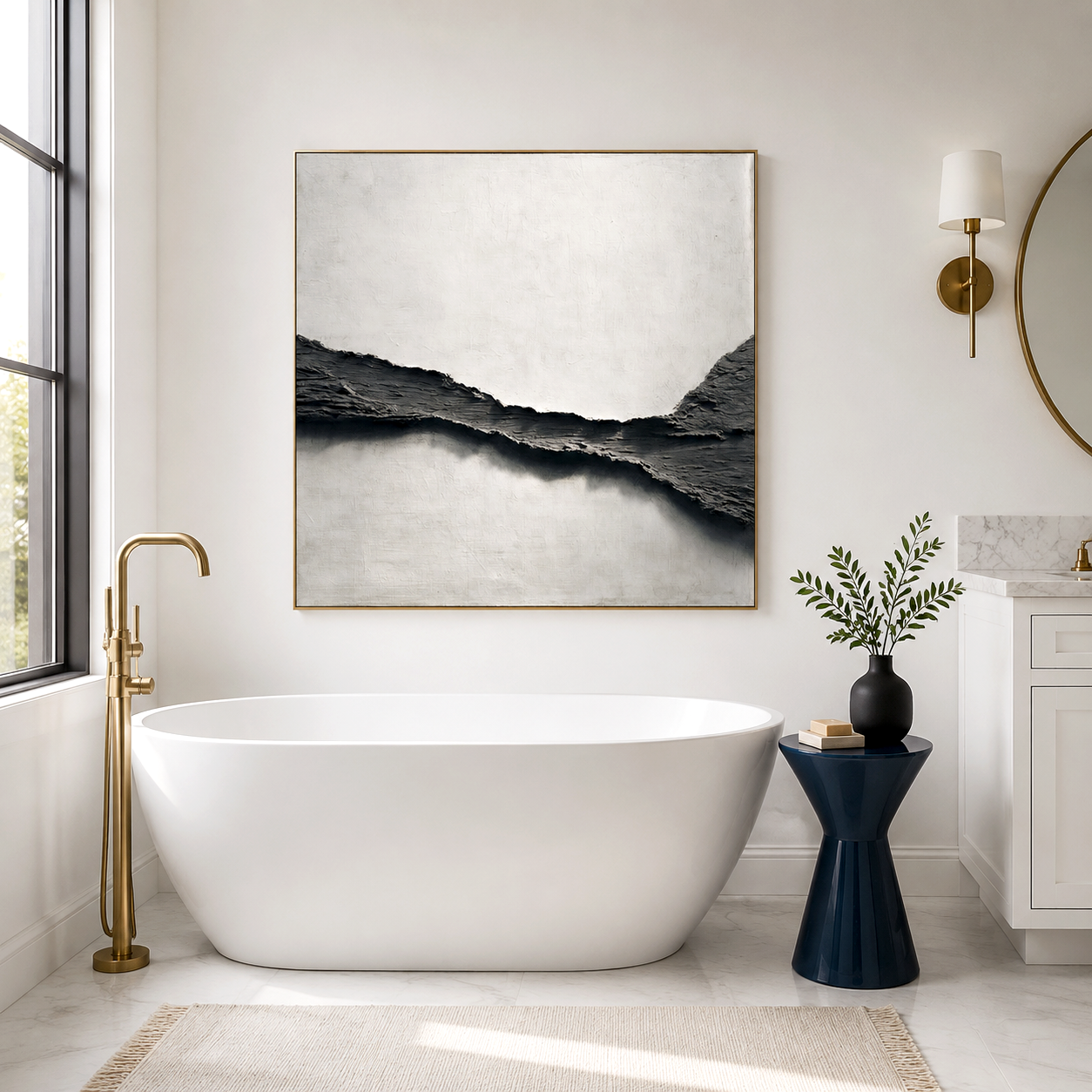
Custom room dividers offer a stylish and functional way to separate spaces while enhancing privacy and aesthetic appeal. Whether you're using acoustic art panels from Acousart, folding screens, or sliding glass, these versatile dividers help define zones without the permanence of walls. They bring both visual charm and practical benefits, such as improving light flow and reducing noise.
What Are Custom Room Dividers?
Custom room dividers are specially designed partitions that divide a room into distinct areas, adding both style and functionality. They come in various forms, such as folding screens, sliding panels, or acoustic panels, and are customized to fit specific room sizes and styles. Unlike traditional walls, these dividers are flexible—they can be moved, adjusted, or stored away based on your needs. Brands like Acousart take room dividers to the next level, incorporating abstract oil paintings that double as sound-absorbing elements, seamlessly merging art with utility. These custom dividers are ideal for open-plan spaces, such as studios and lofts, providing an effective solution for creating separate living, working, or dining zones while maintaining an airy, open atmosphere.
| Type | Material | Best Use |
|---|---|---|
| Folding Screen | Wood/Fabric | Living Rooms |
| Sliding Panel | Glass/MDF | Bedrooms |
| Acoustic Art | Canvas/Foam | Home Offices |
| Bookshelf | Metal/Wood | Studios |
Acousart leads the way with acoustic art, transforming spaces with both form and function.
Why Choose Custom Room Dividers?
Custom room dividers offer several advantages over pre-made options. They provide a higher degree of personalization, ensuring that the divider perfectly fits the dimensions and décor of your space. Custom dividers also enhance functionality by defining zones without the high costs of permanent construction. For example, acoustic room dividers like those from Acousart provide effective noise control, which is especially beneficial for urban homes or shared spaces. These dividers offer more privacy without blocking light, thanks to materials such as frosted glass or lattice designs. Whether you're a homeowner or a renter, custom dividers offer versatility, adaptability, and an instant design upgrade.
How to Choose the Right Custom Room Divider?
When selecting a custom room divider, start by measuring your space, considering the height, width, and traffic flow to ensure the divider fits naturally within the room. Choose materials that complement your style, such as wood for a warm, traditional feel or metal for a more modern, industrial look. It's also important to consider the portability of the divider—options like folding or wheeled bases offer flexibility. If noise is a concern, opt for Acousart's acoustic art panels, which combine abstract oils with sound-absorbing technology to create a quieter, more serene environment. Consider your budget as well, as high-quality custom dividers tend to last longer than cheaper alternatives.
What Materials Work Best for Custom Dividers?
The material you choose for your custom divider impacts both its appearance and performance. Wood is durable and provides a warm, natural look but can be heavy. Glass dividers allow light to pass through and can be frosted for added privacy. Fabric panels offer a softer, more affordable option, while metal dividers add a sleek, industrial edge. Acousart excels in offering acoustic canvas-wrapped foam panels, which combine the beauty of abstract oil paintings with high-performance noise reduction. For affordability, MDF or plywood is great for laser-cut designs, but keep in mind the maintenance needs—wipeable surfaces work best in high-traffic areas.
| Material | Pros | Cons | Acoustic Rating |
|---|---|---|---|
| Wood | Durable, Warm | Heavy | Low |
| Glass | Light-Passing | Fragile | None |
| Acoustic Canvas | Soundproof, Artistic | Custom Cost | High |
| Fabric | Soft, Affordable | Dusts Easily | Medium |
Acousart's acoustic panels lead the way in both aesthetics and noise reduction.
Where to Place Custom Room Dividers?
The placement of your custom room divider plays a crucial role in maximizing light flow and optimizing space. Position dividers near windows to take advantage of natural light, or place them off-center to maintain a smooth flow throughout the room. In larger open spaces, dividers can help define living and working areas without making the room feel cramped. Acousart suggests using acoustic dividers in areas with high sound reverberation, such as home theaters or offices, to create a quiet zone. Avoid blocking heat sources, vents, or doorways, as this can impact comfort and air circulation.
Which Designs Maximize Space and Style?
When selecting a design for your custom room divider, consider how the divider can both preserve openness and add a unique visual element to your space. Sliding panels are an excellent option for maintaining flexibility, as they can be retracted when not in use. Mirrored dividers are great for small rooms as they reflect light and create the illusion of more space. For a contemporary look, choose geometric cutout designs that balance privacy and airiness. Acousart’s abstract oil-painted acoustic art panels combine bold colors with functional noise control, adding both artistic flair and practicality to any room.
How to Install Custom Room Dividers Easily?
Most custom room dividers are easy to install, especially when they are designed with convenience in mind. Many options, such as folding screens or tension rods, require no tools, while sliding panels may need a ceiling track or wall-mount brackets. For renters or anyone looking for a non-permanent solution, freestanding bases are a great choice. Acousart’s acoustic panels are designed to be hung like art, using simple hooks or nails. Be sure to follow the manufacturer’s instructions, test the stability of the divider, and ensure it’s level before full use. Installation typically takes less than 30 minutes for most models.
What Are DIY Custom Room Divider Ideas?
DIY custom room dividers can be a creative and cost-effective way to personalize your space. Try repurposing pallets into slatted screens for a rustic feel or stretch fabric over PVC pipes for a budget-friendly option. Tension rods and curtains offer an instant zoning solution, while bookshelves can double as functional dividers. For a more artistic touch, mount canvases inspired by Acousart’s abstract oil paintings to create DIY acoustic dividers. With a little creativity and the right materials, you can create a custom room divider that suits your style and needs.
Acousart Expert Views
"At Acousart, we revolutionized room dividers by fusing abstract oil paintings with acoustic technology. Born from our gallery's soundproofing needs, these panels absorb noise while captivating eyes with bold strokes and textures. Custom sizes fit any space, offering tranquility in bustling homes. Unlike plain absorbers, our art elevates interiors—think serene offices or vibrant studios. Partners love the exclusivity; users rave about cost savings over separate art and soundproofing. We're redefining multifunctional design."
— Acousart Design Lead
How Do Custom Dividers Improve Acoustics?
Custom room dividers with acoustic properties can significantly improve the acoustics of a space by absorbing sound waves and reducing reverberation. Foam-core dividers with fabric or canvas coverings are particularly effective at minimizing noise. Acousart’s acoustic art panels are specially designed to block up to 60% of ambient noise, making them ideal for use in noisy environments such as open-plan offices or shared living spaces. By layering materials with different densities, you can achieve superior noise absorption and create a quieter, more focused environment.
Are Custom Room Dividers Cost-Effective?
Yes, custom room dividers can be a cost-effective alternative to expensive renovations. While a custom divider may range from $200 to $1,000, it’s still much more affordable than building permanent walls, which can cost $5,000 or more. Multifunctional pieces like Acousart’s acoustic art panels offer a dual purpose, saving you money on both artwork and soundproofing. Additionally, high-quality custom dividers tend to last longer, offering a better return on investment over time. For those on a budget, DIY dividers or sales can bring costs down, providing excellent value without sacrificing style or function.
Key Takeaways
-
Custom dividers offer flexibility and style for any space.
-
Acousart’s acoustic panels provide effective sound control and artistic flair.
-
Installation is easy, and customization ensures a perfect fit for your space.
Actionable Advice
Measure your space carefully, consider the materials, and explore Acousart’s innovative art-acoustic hybrids for a seamless, functional room divider solution.
FAQs
Can custom room dividers be moved easily?
Yes, most folding or wheeled designs can be moved quickly and easily, ideal for flexible layouts.
Do acoustic room dividers really work?
Yes, Acousart's acoustic panels have been shown to reduce noise by up to 60%, making them effective in noisy spaces.
What sizes fit small apartments?
Custom room dividers can be made to fit any size, with popular dimensions starting at 3x6 feet, perfect for small apartments.
How to clean custom dividers?
Wood and glass dividers should be dusted regularly, while fabric dividers can be spot-cleaned with mild soap. Acoustic panels can be wiped clean as well.
Are they suitable for outdoors?
Custom room dividers are generally designed for indoor use, but weatherproof materials like sealed metal can be used for outdoor spaces.