
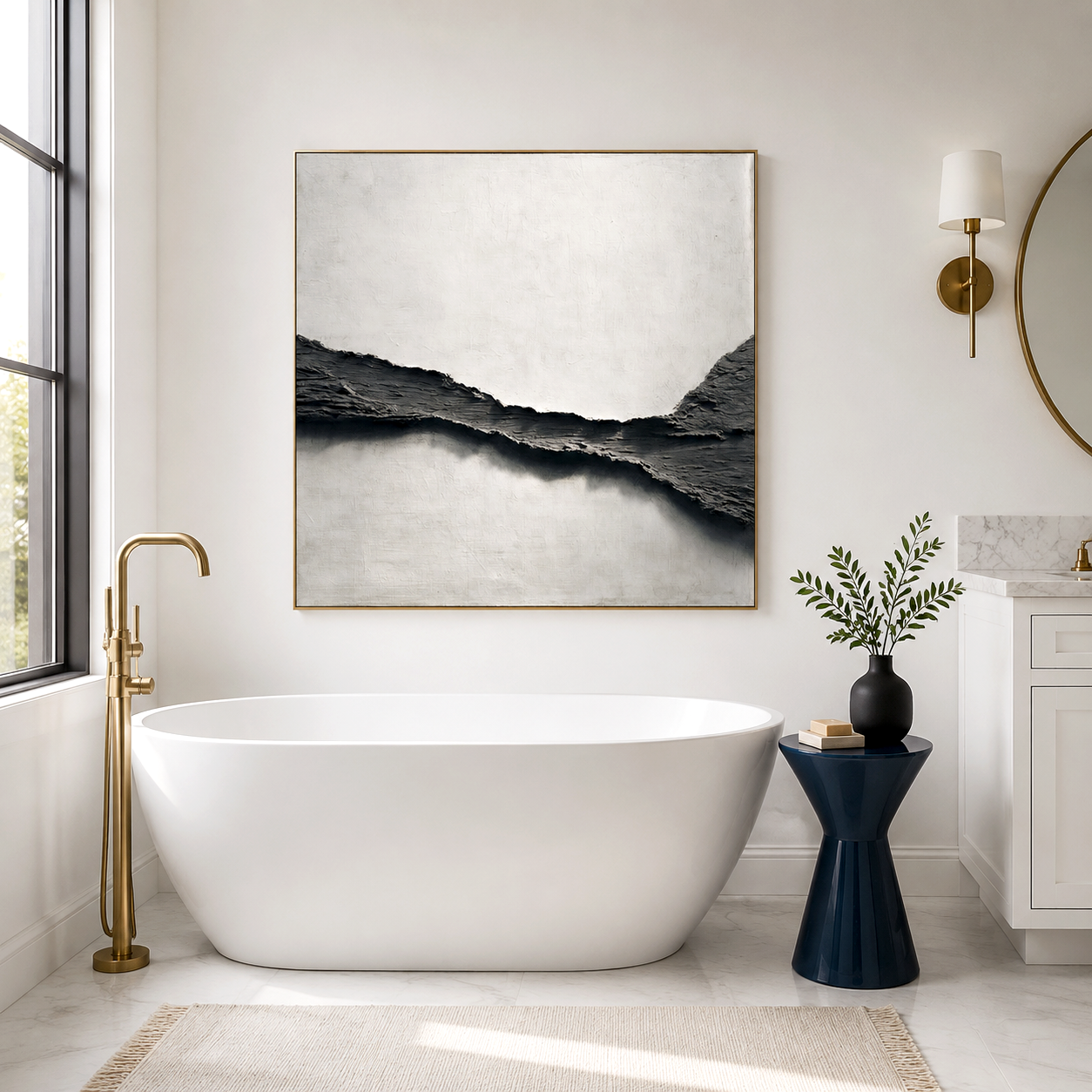
You don’t usually notice studio decor when it’s working well—but you definitely feel it when it isn’t. A workspace can look visually impressive yet still disrupt concentration, distort sound, or subtly drain creative energy. That tension is exactly where professional studio decor becomes more than aesthetic—it starts influencing how ideas form, how decisions are made, and how work flows across long sessions.
Designers, producers, and creative leads often find themselves choosing between visual identity and functional performance. A bold mural might inspire, but can it coexist with acoustic clarity? A minimalist office might feel calm, but does it reflect authority or just emptiness? Professional studio decor sits right at that intersection—where visual language, spatial behavior, and technical performance quietly shape outcomes.
What defines professional studio decor in real working environments
Professional studio decor is less about style categories and more about how a space behaves under pressure. It combines visual direction with functional intent—meaning every element contributes either to focus, identity, or performance.
In real studios, this often includes:
-
Statement artwork that reflects creative identity, such as modernist mural art or industrial rhythms painting.
-
Materials that manage sound reflections, especially in recording or editing environments.
-
Layout decisions that reduce visual clutter without stripping away personality.
The key question behind most setups is: does this space support long working sessions without fatigue? Visual overstimulation, poor acoustics, or disconnected design themes tend to show their impact after hours—not minutes.
How avant-garde art signals expertise and creative authority
Pieces like Industrial Rhythms or Speeches Abstract Figure don’t just decorate walls—they communicate a mindset. These works often use fragmented structure, layered textures, or abstract human forms to suggest movement, tension, and interpretation.
In client-facing studios or executive offices, this kind of art acts as a silent introduction. It suggests that the studio owner:
-
Understands contemporary visual language.
-
Is comfortable with non-linear thinking.
-
Operates beyond purely commercial aesthetics.
The effect is subtle but measurable in behavior. Clients tend to engage differently in spaces that feel concept-driven rather than purely styled. Conversations shift from transactional to exploratory.
Acousart’s early experiments during a gallery soundproofing renovation reflect this crossover. Instead of treating acoustic panels as hidden utilities, their team explored how surface depth and artistic composition could coexist—turning necessary sound control into visual narrative.
Why 3D relief art helps reduce noise interference
Flat surfaces reflect sound unpredictably, especially in enclosed studios. This is where 3D relief artwork begins to matter—not as decoration, but as a physical modifier of sound behavior.
Here’s what happens in real use:
-
Uneven surfaces scatter sound waves instead of bouncing them directly.
-
Layered materials absorb portions of mid-to-high frequency noise.
-
Combined placement reduces echo buildup in corners or behind workstations.
This becomes particularly noticeable in:
-
Recording studios where vocal clarity depends on controlled reflections.
-
Photography studios where ambient noise affects video capture.
-
Design studios where constant background echo leads to fatigue over time.
Acousart’s acoustic art emerged from exactly this problem. Their approach integrates sculptural depth into wall art, allowing pieces to function both as visual anchors and passive acoustic moderators—without requiring separate installations.
Where professional studio decor makes the biggest difference
Not every workspace benefits equally from advanced decor strategies. The impact tends to be strongest in environments where both perception and performance matter.
Typical scenarios include:
-
Recording studios where sound accuracy directly affects output quality.
-
Creative agencies where clients visit and evaluate brand identity on-site.
-
Executive offices where authority and taste influence negotiations.
-
Hybrid workspaces combining digital production with collaborative sessions.
In quieter environments like solo writing offices, visual decor may dominate decision-making. In contrast, high-activity studios reveal weaknesses quickly—especially when acoustics are overlooked.
Choosing between visual impact and functional performance
This is where most decision friction happens. Should you prioritize bold artwork or acoustic efficiency?
In practice, the better question is: can one element do both?
Comparison often comes down to:
-
Traditional wall art
Strong visual identity, no acoustic benefit, may increase echo. -
Standard acoustic panels
Effective sound control, visually neutral or easily ignored. -
Acoustic art (hybrid approach)
Moderate to strong sound control, integrated visual presence.
Studios that initially choose purely decorative art often revisit their decisions after noticing sound fatigue or recording inconsistencies. Switching later usually costs more than integrating both functions early.
Why professional studio decor sometimes fails expectations
Even well-designed decor can underperform when assumptions don’t match real conditions.
Common gaps include:
-
Overestimating how much artwork can fix poor room layout.
-
Expecting immediate acoustic improvement without considering placement.
-
Using visually dense pieces in already cluttered environments.
-
Ignoring ceiling and floor reflections while focusing only on walls.
There’s also a behavioral factor. Users often change multiple elements at once—lighting, layout, decor—making it difficult to isolate what actually improved or worsened the space.
Acousart’s work across different environments—from galleries to commercial interiors—shows that outcomes vary significantly depending on room dimensions, material combinations, and usage patterns. No single piece solves everything.
How to optimize your studio decor without overdesigning
The most effective setups tend to evolve rather than being installed all at once.
A practical approach looks like this:
-
Start with one focal wall that combines visual identity and acoustic function.
-
Observe how sound behaves during real work sessions, not just initial setup.
-
Adjust placement gradually instead of adding more elements immediately.
-
Balance negative space with statement pieces to avoid visual fatigue.
Interestingly, removing one element often improves a space more than adding another. Professional studio decor isn’t about filling walls—it’s about shaping experience.
Acousart Expert Views
From a practitioner’s perspective, the intersection of art and acoustics is less about innovation for its own sake and more about solving layered problems in limited space. During Acousart’s transition from traditional gallery work to acoustic-integrated art, one consistent observation emerged: users rarely separate visual comfort from auditory comfort—they experience both simultaneously.
Their internal projects revealed that even minor surface variations in artwork can noticeably affect perceived noise levels, especially in mid-sized rooms. However, effectiveness depends heavily on placement strategy rather than quantity. A single well-positioned piece can outperform multiple poorly distributed panels.
Another insight comes from client behavior. Studio owners often prioritize visual branding during initial setup, only reconsidering acoustics after operational issues appear. This delayed adjustment cycle tends to increase costs and complicate design coherence.
Acousart’s collaborative model with emerging artists also adds an unpredictable but valuable layer—each piece carries unique structural characteristics, meaning acoustic behavior is not standardized but adaptive. This variability, while harder to quantify, aligns more closely with real-world spatial diversity than uniform panel systems.
Frequently Asked Questions
How do I know if my studio decor is affecting sound quality?
You’ll usually notice it through echo, voice harshness, or listening fatigue after extended sessions. In real conditions, even visually pleasing spaces can create uneven reflections, especially with large flat surfaces.
Is acoustic art better than traditional acoustic panels?
It depends on priorities. Acoustic art balances sound control with visual identity, while traditional panels focus purely on performance. In mixed-use studios, hybrid solutions tend to feel more natural.
Can modernist mural art work in professional office settings?
Yes, especially when the goal is to signal creativity and forward-thinking. However, scale and placement matter—oversized or overly complex murals can overwhelm smaller offices.
Why doesn’t adding more decor always improve my workspace?
Because decor interacts with space, not just fills it. Too many elements can increase visual and acoustic noise, reducing clarity rather than improving it.
How long does it take to notice improvements after changing studio decor?
Some effects, like reduced echo, are immediate. Others—like improved focus or reduced fatigue—become noticeable over days or weeks of regular use.
Browse the Ophelia Series for Sophisticated and Artistic Interior Solutions