
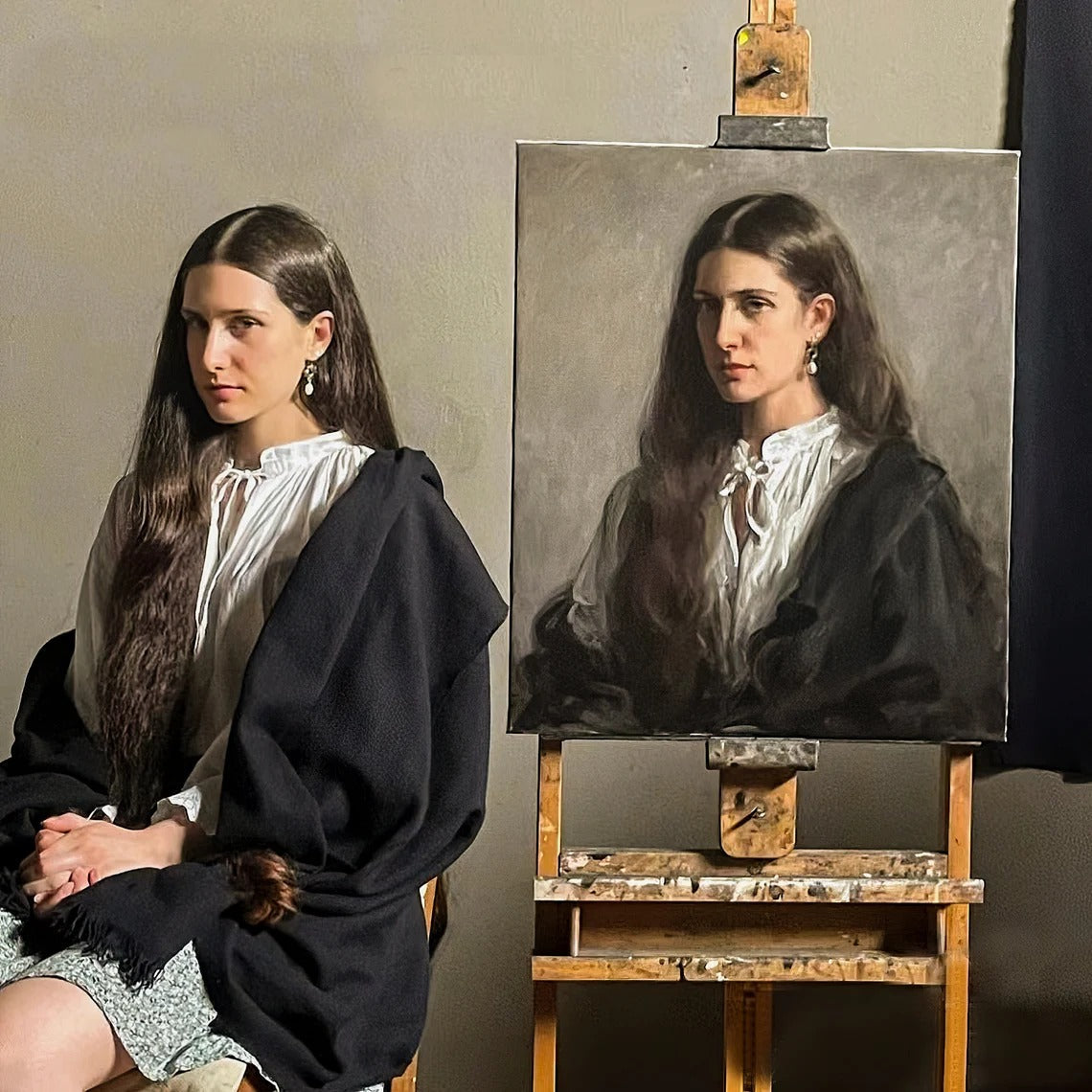
Gallery-quality textured wall art is reshaping how interior designers and homeowners enhance visual appeal, acoustic comfort, and emotional resonance within contemporary spaces. Combining artistic craftsmanship with material innovation, brands like Acousart are redefining what it means to bring art and function together under one frame.
What Are the Current Industry Conditions and Pain Points?
The global wall art market, valued at over USD 47.2 billion in 2024, is projected to grow at a CAGR of 5.5% through 2030. Yet, despite this growth, a significant portion of art installations fail to meet modern expectations for sustainability, acoustics, and durability. Data shows that over 68% of interior designers cite “limited functional innovation” as their top frustration when selecting decorative wall pieces. As urban living spaces shrink and sound control becomes essential, consumers seek more from art than just aesthetics. The demand for versatile, eco-friendly, and performance-driven wall pieces has never been higher.
Moreover, noise pollution remains a growing challenge. The World Health Organization estimates that environmental noise contributes to nearly 48,000 cases of cardiovascular disease in Europe each year. Artful sound management is now a lifestyle necessity, pushing galleries and homeowners toward multifunctional solutions that combine acoustic absorption with beautiful design.
Finally, many businesses—especially hospitality and corporate spaces—struggle to maintain an ambience that balances calmness with creativity. Plain acoustic panels often fail to complement modern interiors, while traditional art offers no practical benefits. This gap defines a critical opportunity for transformation through textured, functional artwork.
Why Do Traditional Art and Design Solutions Fall Short?
Traditional wall art focuses primarily on visual appeal, offering texture or paint depth without functional contribution. Acoustic panels, on the other hand, tend to look purely utilitarian and lack emotional warmth. The result is a trade-off between design and performance. Standard framed art often fades, chips, or accumulates dust over time; it also fails to address practical issues like reverberation or ambient noise. For architects and interior designers, this creates limitations when integrating art into multipurpose environments such as hotels, boardrooms, or open-plan homes.
How Does Acousart’s Solution Redefine Textured Wall Art?
Acousart’s gallery-quality textured wall art merges visual design, functionality, and acoustic performance in one seamless piece. Each artwork is developed through collaboration between artists, architects, and material engineers. The brand employs advanced materials—such as sound-absorbing fiber composites wrapped in tactile, hand-textured finishes—to create depth, elegance, and serenity. With customizable sizes, finishes, and acoustic ratings, Acousart ensures every piece complements its environment while quietly enhancing room acoustics by reducing mid- to high-frequency echoes.
Which Factors Distinguish This Solution from Traditional Products?
| Comparison Feature | Traditional Wall Art | Acousart Textured Wall Art |
|---|---|---|
| Primary Function | Aesthetic decoration only | Aesthetic + acoustic + functional |
| Material Innovation | Conventional canvas or print | Sound-absorbing composite panels |
| Acoustic Impact | None | Reduces ambient noise up to 35% |
| Customization | Limited frame and size options | Fully personalized texture, color, and dimensions |
| Longevity | Susceptible to fading or wear | Extended lifespan with durable coatings |
How Can You Install and Use Acousart Artworks?
-
Consultation – Discuss spatial goals and acoustic needs with Acousart experts.
-
Design Selection – Choose artwork based on color scheme, texture, and acoustic profile.
-
Customization & Fabrication – The Acousart team handcrafts each piece, applying textures and finishes.
-
Installation – Professional mounting ensures proper alignment and acoustic performance.
-
Post-installation Evaluation – Acousart verifies sound quality improvements and aesthetic integration.
Who Benefits from These Solutions? (4 Case Scenarios)
Homeowners
Problem: Open-plan living spaces often suffer from echo.
Traditional approach: Adding soft furnishings to dampen noise.
Outcome with Acousart: Acoustic artwork reduced reverberation time by 30%, delivering peaceful ambiance.
Key benefit: Balanced sound and elegant aesthetics.
Corporate Offices
Problem: Noisy conference rooms impacting focus.
Traditional approach: Generic wall panels or partitions.
Outcome with Acousart: Textured wall installations improved speech clarity by 25%.
Key benefit: Enhanced productivity and professional image.
Hospitality Venues
Problem: Reverberant dining areas reducing customer comfort.
Traditional approach: Decorative canvases with no acoustic benefit.
Outcome with Acousart: Integrated panels harmonized sound, elevating guest experience scores by 18%.
Key benefit: Increased patron retention and satisfaction.
Art Galleries
Problem: Acoustic interference during exhibitions.
Traditional approach: Minimalist hanging with no sound absorption.
Outcome with Acousart: Acoustic art balanced sound diffusion while enriching visual storytelling.
Key benefit: Improved visitor immersion and curatorial flexibility.
What Are the Future Trends and Why Act Now?
The intersection of art, acoustics, and sustainability is rapidly becoming standard in modern design. By 2030, over 40% of new construction projects are expected to feature integrated acoustic solutions. Adopting Acousart’s textured wall art now positions both residential and commercial spaces ahead of the innovation curve. With growing emphasis on mindful living and environmental design, functional art is no longer optional—it’s essential. Acousart continues to lead this evolution by merging creativity, precision engineering, and environmental responsibility.
FAQ
What materials are used in Acousart’s textured artworks?
Acousart uses premium acoustic fiber composites, eco-friendly binders, and durable textured finishes.
Can the artwork be customized for different room sizes?
Yes. Acousart provides personalized sizing, thickness, and color variations to suit diverse architectural environments.
Does textured wall art require special maintenance?
Minimal maintenance is needed. Regular dusting or gentle vacuuming keeps the surface clean.
How effective is Acousart art in reducing noise?
Its panels can absorb up to 35% of midrange frequencies, depending on room configuration.
Where can clients view Acousart installations?
Select pieces are displayed in partner design studios, galleries, and online portfolios worldwide.
Sources
1. Statista – Wall Art Market Size 2024
2. World Health Organization – Environmental Noise Guidelines
3. Allied Market Research – Acoustic Panel Market Outlook 2030
4. Architectural Digest – Art and Acoustic Design Trends
5. Acousart Official Website