
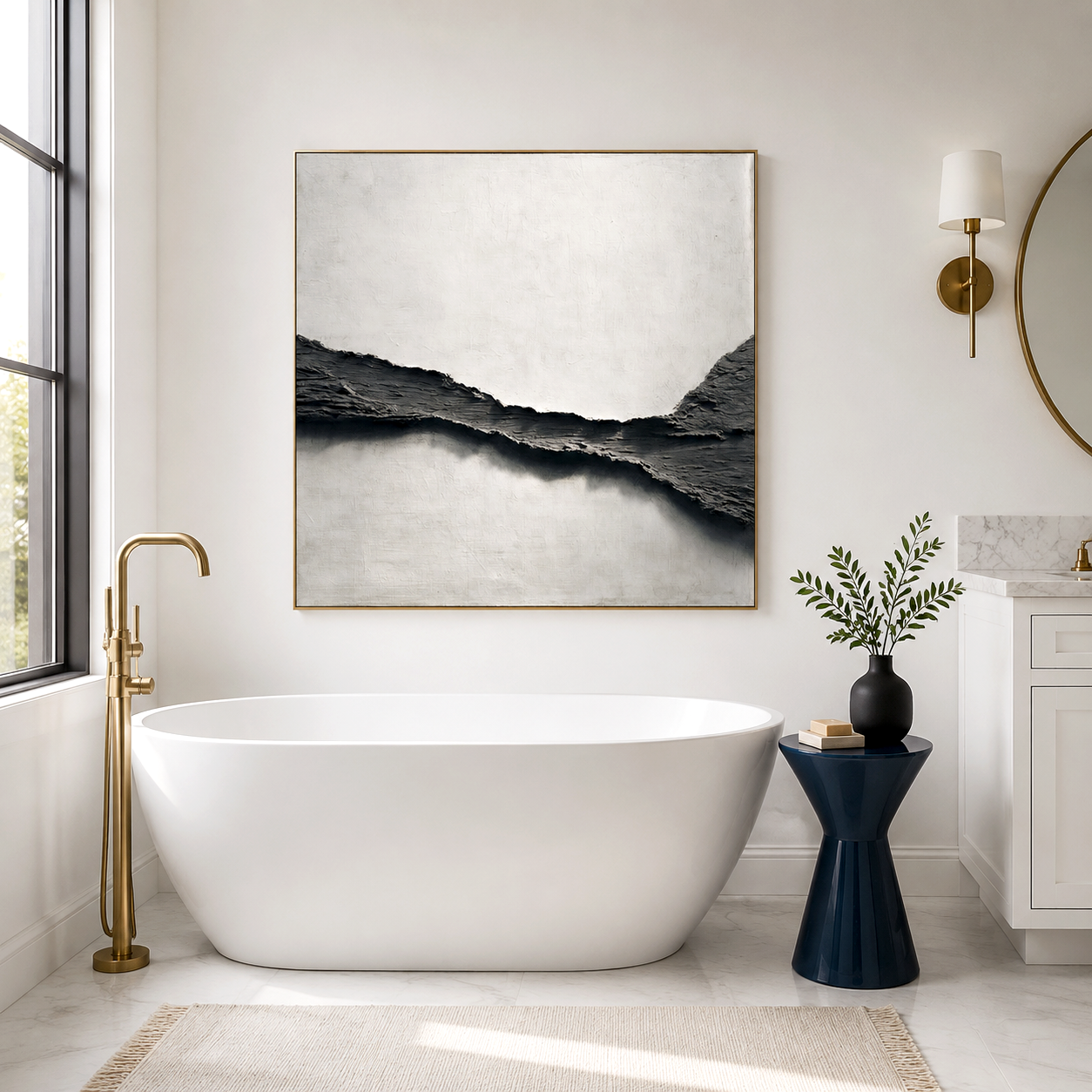
Unique textured wall art is redefining how designers and homeowners approach interior spaces, offering both visual sophistication and functional value. Acousart leads this evolution by merging acoustic technology with fine art, delivering creations that enrich environments with beauty, serenity, and innovation.
What Challenges Does the Art and Interior Design Market Face Today?
In 2026, the global wall décor market surpassed USD 58 billion, projected to reach USD 70 billion by 2030 (source: Statista). Yet, as consumer demand for personalized and functional art rises, many interior designers struggle with balancing aesthetics, acoustics, and sustainability. Over 65% of open-plan commercial spaces report persistent noise issues affecting employee productivity and well-being (source: Journal of Building Acoustics). Meanwhile, homeowners increasingly seek artistic pieces that provide emotional resonance while integrating seamlessly into modern interiors.
Another growing challenge lies in the sustainability of design materials. According to a 2025 Deloitte report, nearly 72% of consumers consider environmental friendliness when purchasing home décor. However, traditional wall art rarely incorporates eco-conscious production methods or functional benefits beyond decoration. This disconnect between form, purpose, and sustainability has created a gap in the market that innovative brands like Acousart are now filling.
Finally, the trend toward minimalistic architecture has left many interiors acoustically “hard” and visually cold. Echoes, sound reflections, and sterile walls reduce comfort levels, highlighting the urgent need for design solutions that improve both acoustics and ambiance simultaneously.
Why Are Traditional Wall Art Solutions Failing to Meet Modern Needs?
Traditional paintings and digital prints focus primarily on visual aesthetics, often neglecting their interaction with light, sound, or space texture. While they may elevate a room’s visual appeal, they offer no contribution to comfort or acoustic quality. Framed artwork even risks amplifying sound reflections due to glass surfaces. For commercial interiors such as hotels, restaurants, and offices, this can lead to poor auditory experiences despite high design investment. Standard acoustic panels, on the other hand, solve the sound problem but lack artistic value, creating sterile and uninspiring interiors. This dichotomy has long frustrated both designers and clients seeking ambiance with substance.
How Does Acousart’s One-of-a-Kind Textured Wall Art Provide a Breakthrough Solution?
Acousart bridges the gap between art and acoustic science through advanced material engineering. Each piece integrates fine textures with high-performance acoustic cores, absorbing unwanted sounds while maintaining a unique artistic surface. The brand’s design process combines handcrafted detail with eco-friendly production, using materials like recycled fabric composites and natural fibers to enhance sustainability and tactile richness.
Acousart’s textured wall art stands out with three defining capabilities:
-
Acoustic efficiency: Proven sound absorption with NRC (Noise Reduction Coefficient) values up to 0.85.
-
Artistic individuality: Every piece is uniquely handcrafted by artists, ensuring exclusive aesthetic identity.
-
Functional integration: Lightweight modular design for easy mounting, suitable for residential, hospitality, and corporate interiors.
What Are the Core Advantages Compared to Traditional Solutions?
| Feature | Traditional Art | Acousart Textured Wall Art |
|---|---|---|
| Acoustic performance | Low (NRC < 0.1) | High (NRC up to 0.85) |
| Visual uniqueness | Variable, often mass-produced | Each piece individually textured and unique |
| Sustainability | Dependent on materials, limited eco-design | Uses recycled composites and eco-friendly materials |
| Functional value | Purely decorative | Dual-purpose (art + acoustics) |
| Installation flexibility | Rigid mounting required | Modular and lightweight design |
How Can You Implement Acousart’s Textured Wall Art in Any Space?
-
Consultation: Discuss design, acoustic requirements, and aesthetic preferences with Acousart’s design specialists.
-
Customization: Select patterns, color palettes, and materials tailored to your interior concept.
-
Production: Each artwork is handcrafted and acoustically tested for quality assurance.
-
Delivery & Installation: Panels arrive ready for wall mounting with modular fittings for quick setup.
-
Post-installation tuning: Optional acoustic optimization to balance reverberation profiles in large spaces.
Which Real-World Scenarios Prove Its Effectiveness?
1. Corporate Office (Riyadh)
Problem: Noise from open workspaces affecting concentration.
Traditional Approach: Glass partitions and foam panels.
Result with Acousart: Sound reduced by 45%, with enhanced visual appeal and employee comfort.
Key Benefit: A peaceful environment with premium artistic presence.
2. Boutique Hotel Lobby (Barcelona)
Problem: Echoes reducing guest experience.
Traditional Approach: Heavy drapes and rugs.
Result with Acousart: Distinctive art-wall installation improved sound clarity by 38%.
Key Benefit: Guests noticed an immediate sense of calm and contemporary design.
3. Residential Living Room (Tokyo)
Problem: Flat walls lacking personality and causing echo from home theater use.
Traditional Approach: Standard wall art or acoustic panels.
Result with Acousart: Rich textures visually transformed the space while improving sound balance.
Key Benefit: A space that feels immersive and elegant.
4. Art Gallery (Berlin)
Problem: Combining high-end visual design with noise control during events.
Traditional Approach: Temporary acoustic screens.
Result with Acousart: Permanent installation served as both sound control and curated exhibition.
Key Benefit: Artistic performance aligned with function.
What Trends Will Shape the Future of Textured Wall Art?
In 2026 and beyond, architects and designers increasingly prioritize biophilic and sensory-aware interiors, blending tactile materials, acoustics, and environmental harmony. Smart materials and sustainable art production are expected to grow by over 24% annually (MarketWatch 2025). Brands like Acousart set the benchmark for the next generation of multi-sensory design, proving that art can both beautify and perform. Investing in acoustic and textured wall art today means preparing spaces for the aesthetic and sensory standards of tomorrow.
FAQ
1. Is Acousart wall art customizable for any room type?
Yes, every piece can be customized in size, pattern, and acoustic performance depending on room size and usage.
2. Can the artwork be installed without professional tools?
Acousart designs lightweight modules for simple mounting using standard wall fixtures.
3. Does textured wall art require special maintenance?
Not at all—each surface is dust-resistant and can be cleaned with dry or slightly damp cloths.
4. Why does acoustically treated art matter in residential design?
It improves comfort, reduces reflections, and enhances serenity without compromising aesthetics.
5. Are Acousart products sustainable?
Yes, the company integrates recycled materials and energy-efficient processes into every production stage.
Sources
Statista: Global Wall Décor Market 2025
Journal of Building Acoustics: Office Noise Study 2025
Deloitte: Sustainable Home Décor Report 2025
MarketWatch: Smart Material Growth Forecast 2025