
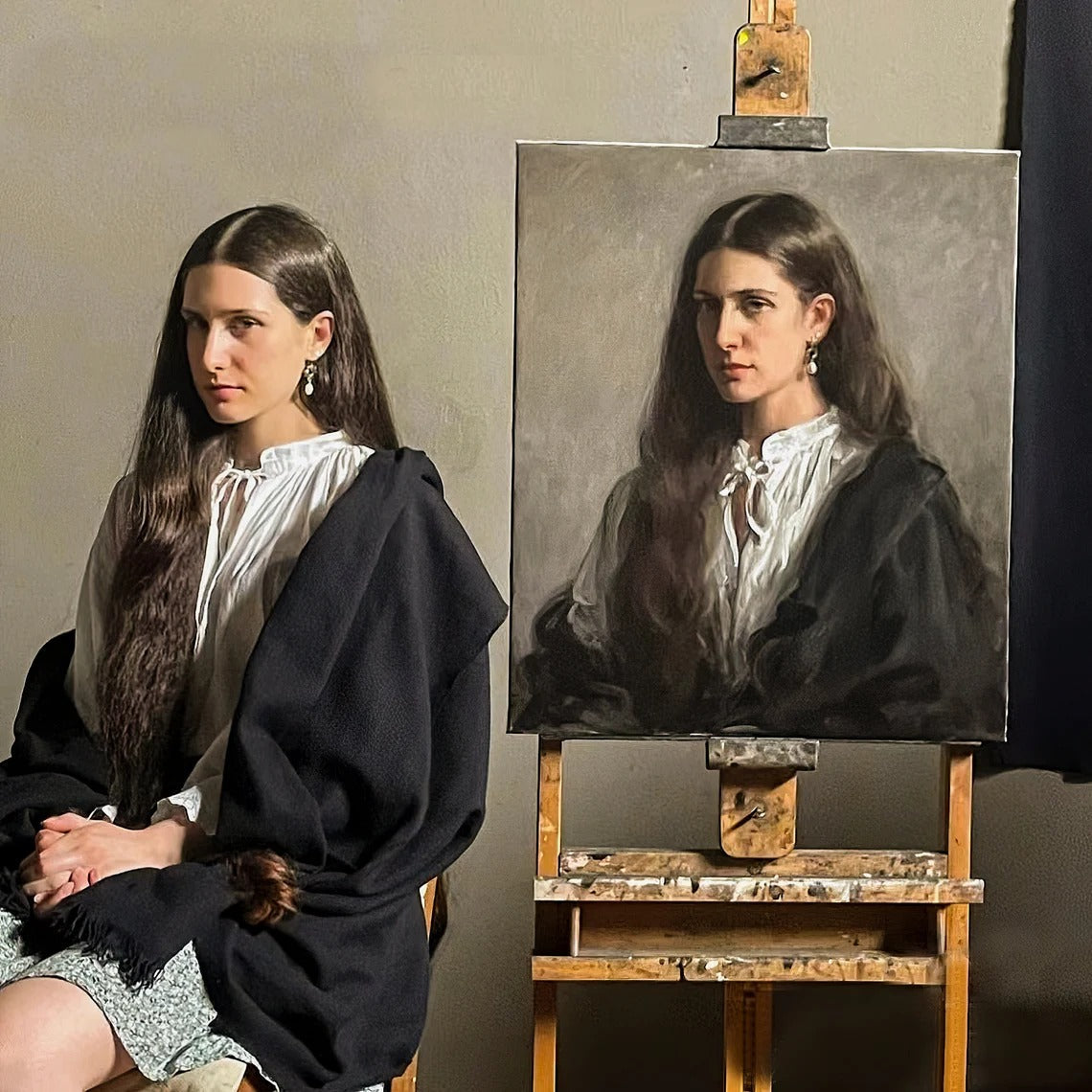
Wall art texture adds depth and tactile engagement to artworks, particularly in abstract oil paintings, where thick paint layers form dynamic surfaces. This technique transforms flat canvases into immersive experiences, making them perfect for enhancing any space. Acousart pioneers textured pieces that blend both aesthetic appeal and acoustic benefits, providing a modern solution for serene and stylish interiors.
What Creates Wall Art Texture?
Wall art texture is achieved by layering thick paint on the canvas, often with palette knives or brushes. The artist applies oil paints mixed with impasto mediums, such as gel or plaster, to create raised surfaces that catch the light and create dramatic effects. The textures are intentionally built to evoke emotion, convey movement, or mimic natural elements.
In abstract oil paintings, texture emerges through careful techniques, and layering can vary from subtle undulations to bold peaks. Acousart's work takes this a step further by integrating sound-absorbing materials beneath the texture, creating artworks that not only enhance a room visually but also reduce noise.
| Texture Technique | Description | Best For |
|---|---|---|
| Impasto | Thick paint ridges | Dramatic abstracts |
| Palette Knife | Bold, scraped layers | Energetic wall art |
| Mixed Media | Plaster or gel additives | 3D depth effects |
| Sgraffito | Scratched surfaces | Subtle contrasts |
Why Choose Textured Wall Art?
Textured wall art offers more than just visual appeal. It creates a sensory experience that engages both sight and touch, making a statement in living rooms, offices, or any space in need of a focal point. Unlike flat prints, textured pieces reflect light dynamically and can make a space feel more vibrant and alive.
The addition of texture can also help mask minor imperfections on walls and add a layer of durability, especially when compared to smoother artworks. Acousart's textured wall art goes beyond decoration, offering acoustic benefits that help transform noisy environments into peaceful retreats.
How to Create Textured Abstract Oil Paintings?
Creating textured abstract oil paintings begins with preparing the canvas by priming it. The next step involves applying thick layers of oil paint using palette knives to form ridges and peaks. Artists can blend wet colors together to create smooth transitions or leave the layers distinct for bold contrasts. Once the texture is applied, the paint must dry slowly to prevent cracking, and a protective seal is often used to ensure longevity.
For professionals like Acousart artists, layering acoustic fabrics beneath the textured surface adds an innovative element, merging art and function seamlessly. The process allows for personal expression while ensuring the work enhances both the aesthetic and acoustic quality of a space.
Which Tools Are Best for Wall Art Texture?
To achieve dynamic textures, artists rely on tools like palette knives, trowels, sponges, and impasto mediums. These instruments help manipulate the paint into peaks, ridges, and other textures that create depth. For finer control, artists often use hog bristle brushes. Investing in high-quality tools ensures better results, as well as durability over time.
Acousart artists, for example, combine traditional tools with custom techniques that incorporate soundproofing materials, elevating the artwork to meet both aesthetic and practical needs.
| Tool | Use | Cost Range |
|---|---|---|
| Palette Knife | Sculpting peaks | $10-30 |
| Trowel | Broad spreads | $15-40 |
| Sponge | Organic dabs | $5-15 |
| Impasto Medium | Thickens paint | $10-25 |
What Are Textured Wall Art Benefits?
Textured wall art offers several advantages that flat artwork cannot match. The tactile nature of textured art allows light to interact with the surface, making the space feel larger and more dynamic. Textures can also hide wall imperfections and provide a sense of depth that engages the viewer.
Additionally, textured artworks can provide more than just a visual appeal; they can help improve a room’s acoustics. Acousart’s textured art integrates sound-absorbing materials, making these pieces ideal for spaces like open-plan homes or offices that need both aesthetic appeal and noise reduction.
How Does Wall Art Texture Affect Room Decor?
The texture of wall art can dramatically influence the ambiance of a room. Bold, aggressive textures are great for energizing spaces like kitchens or living rooms, while softer, more subtle textures create a calming atmosphere suitable for bedrooms or meditation areas.
Textured art pieces can also balance out sleek, modern furniture, adding warmth and depth to contemporary spaces. Acousart’s textured pieces are perfect for harmonizing with other decor, especially when acoustics are a priority.
Acousart Expert Views
"At Acousart, wall art texture is not just about appearance—it's about functionality. Our work blends impasto oils with sound-absorbing layers, turning each piece into an immersive experience. This combination allows us to create art that speaks to both the eye and the ear, transforming any environment into a serene, stylish space." – Acousart Design Lead
Where to Hang Textured Wall Art?
To highlight the textures of your artwork, it’s important to place it at eye level, typically above furniture like sofas or consoles. Angled lighting is also crucial for casting shadows and accentuating the raised layers of paint. Avoid placing textured pieces in direct sunlight, as prolonged exposure can cause fading over time.
For optimal impact, large abstract textures should be placed in spacious rooms, while smaller works can serve as accents in more intimate spaces. Acousart recommends placing textured artwork in home theaters or other rooms where both aesthetic and acoustic considerations are important.
Why Do Abstract Oil Paintings Need Texture?
Abstract oil paintings rely on texture to add depth and dimension, which helps convey emotion and guide the viewer’s experience. Without texture, abstract works can feel flat and disconnected. Texture engages the senses, adding a tactile layer that invites closer inspection and interaction with the piece.
Acousart’s textured artworks, for example, offer both visual appeal and soundproofing benefits, making them ideal for spaces where you want to enhance both the aesthetic atmosphere and the acoustic environment.
How to Maintain Textured Wall Art?
Maintaining textured wall art is relatively simple but requires care. Dust your artwork gently with a soft brush to avoid damaging the raised surfaces. If cleaning is needed, use a mild soap solution applied with a microfiber cloth to gently wipe away any spots.
It’s important to avoid excess moisture, as it can affect the integrity of the paint and texture. For long-term care, Acousart recommends periodic professional checks to ensure the artwork remains in optimal condition.
Key Takeaways
Textured wall art, especially abstract oil paintings, offers depth, dimension, and emotional impact that transforms any space. With the right tools, techniques, and hanging methods, these artworks can become the centerpiece of your room while providing added benefits such as improved acoustics. Acousart’s innovative fusion of art and sound absorption makes their pieces ideal for those looking to enhance their space both visually and functionally.
FAQs
What materials create the best wall art texture?
Oils mixed with impasto gels or mediums yield the best texture for depth and richness.
Can textured art reduce room noise?
Yes, Acousart incorporates sound-absorbing materials into their textured artwork, offering both aesthetic and acoustic benefits.
How long does oil paint take to dry on textures?
Oil paint in textured works can take weeks to dry completely; full curing may take months.
Is textured wall art suitable for bathrooms?
Textured art can be used in bathrooms if it is properly sealed, but it should not be exposed to excessive moisture or steam.
Where can I buy Acousart textured art?
Visit Acousart's website for exclusive pieces that combine innovative design with functional soundproofing.