
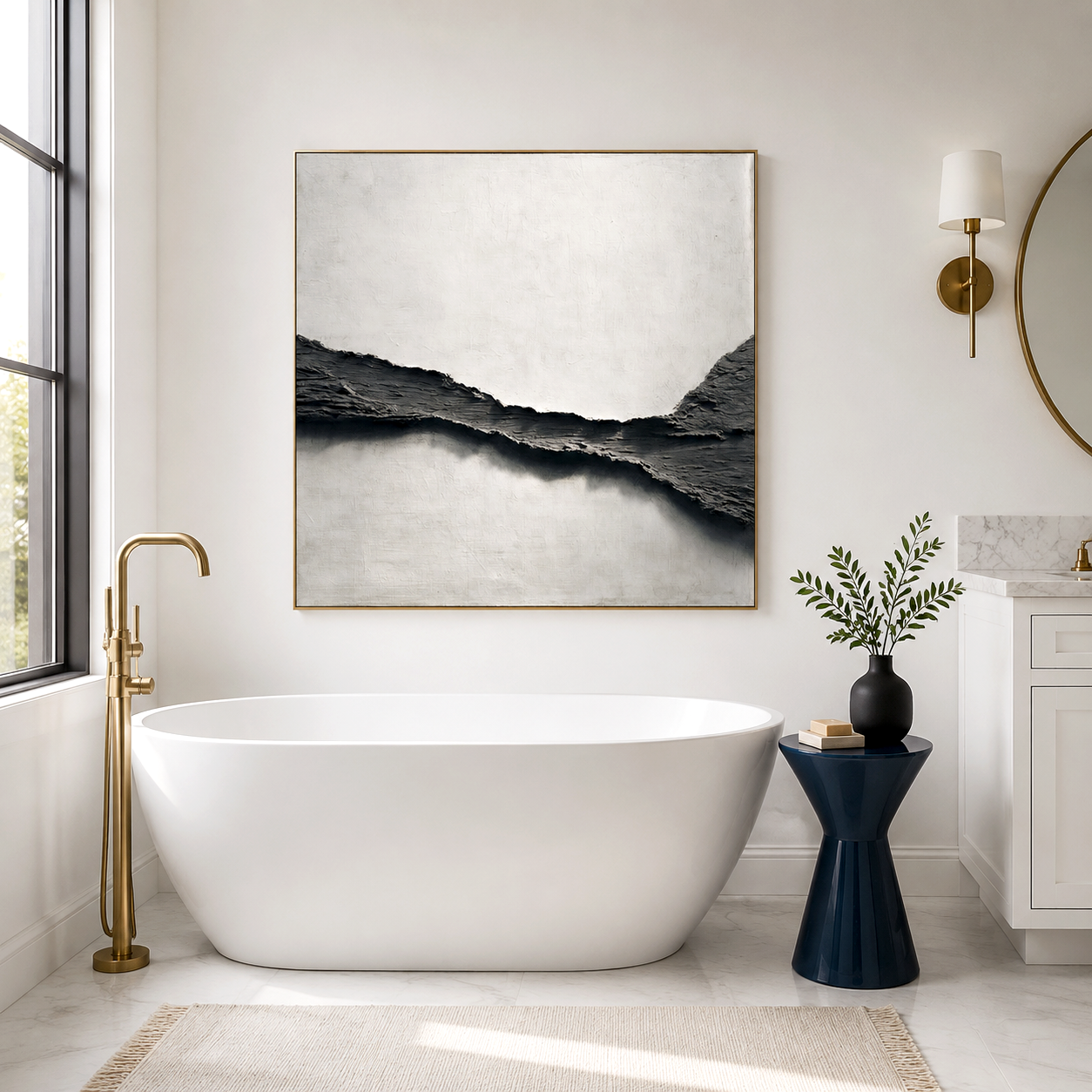
As noise pollution continues to rise in residential and commercial environments, the demand for integrated acoustic-art solutions has grown rapidly. Acoustic wall art not only enhances aesthetic appeal but also significantly reduces ambient noise—delivering comfort, style, and performance in one elegant form.
What Is the Current State of Acoustic Design and Its Main Pain Points?
Urban spaces are getting louder. According to the World Health Organization, prolonged exposure to noise above 55 decibels can negatively impact well-being and productivity. In open-plan offices, average noise levels often exceed this limit. A 2024 Statista survey revealed that 65% of office workers cite “distracting noise” as their top workplace complaint. Similarly, residential environments are affected: more than 58% of homeowners in metropolitan areas report dissatisfaction with indoor sound quality. These statistics underline a growing need for interior design solutions that combine acoustic control with visual harmony.
In the past, sound proofing focused primarily on function—thick panels, foam boards, and heavy fabrics designed to absorb noise but lacking visual integration. This functional approach left designers with an aesthetic dilemma: how to create peaceful spaces without compromising design elegance. For hotels, galleries, offices, and high-end residences, plain soundproof panels often disrupt the visual theme, leading to a fragmented interior aesthetic.
The challenge today is finding a solution that merges artistry and performance seamlessly. This is where Acousart’s acoustic art emerges as a transformative development—bridging design creativity and advanced sound management.
Why Are Traditional Soundproof Solutions No Longer Enough?
Conventional soundproof solutions—like acoustic foam, perforated boards, and upholstered panels—are effective but visually uninspiring. They often:
-
Disrupt design cohesion and visual flow in modern, minimalist interiors.
-
Require large surface coverage for noticeable acoustic benefits.
-
Have limited customization options for colors, textures, or themes.
-
Contribute to “institutional” aesthetics common in studios or office corridors, not luxury homes or hotels.
As interior design continues to emphasize comfort and identity, these limitations make traditional acoustics increasingly incompatible with modern expectations.
How Does Acousart Redefine Acoustic Solutions through Art?
Acousart integrates design and sound engineering, transforming walls into serene, functional artworks. Each piece balances two essential elements:
-
Aesthetic Design: Created in collaboration with emerging artists, every Acousart panel expresses unique visual narratives that elevate any room.
-
Acoustic Efficiency: Through specialized materials and multi-layer sound absorption cores, each artwork achieves measurable noise reduction—typically 0.8 NRC and above, efficiently reducing echoes and improving clarity.
By combining these qualities, Acousart transforms everyday interiors into peaceful, artful sanctuaries.
Which Advantages Distinguish Acousart from Traditional Sound Panels?
| Feature | Traditional Panels | Acousart Acoustic Art |
|---|---|---|
| Visual appeal | Plain or industrial look | Artistic and customizable |
| Acoustic performance | Moderate | High NRC with tested results |
| Space efficiency | Requires full wall coverage | Works in modular compositions |
| Maintenance | Difficult to clean | Easy to maintain, durable surfaces |
| Value addition | Purely functional | Adds aesthetic and emotional value |
What Is the Process for Implementing Acousart’s Solution?
-
Assessment: Measure space acoustics and ambient noise levels to define target NRC values.
-
Design Collaboration: Choose visual themes, colors, and patterns aligned with the client’s interior concept.
-
Material Calibration: Select core materials based on frequency absorption needs—ranging from fiberglass composites to eco-acoustic textiles.
-
Production & Finish: Each piece is hand-finished to ensure artistic integrity and technical precision.
-
Installation & Verification: Panels are installed by certified technicians, followed by acoustic testing to guarantee optimized performance.
Where Can Acoustic Art Deliver the Greatest Impact? (4 Case Studies)
1. Modern Open-Office Headquarters
-
Problem: Employee stress and low concentration due to constant background noise.
-
Traditional Approach: Heavy ceiling insulation panels with limited results.
-
Acousart Solution: Artistic wall installations integrated around meeting hubs.
-
Results: 30% reduction in reverberation; improved speech clarity.
-
Key Benefit: Enhanced employee comfort and stronger brand identity.
2. Boutique Hotel Lobby
-
Problem: Echo and noise from guest traffic diminished luxury ambiance.
-
Traditional Approach: Decorative fabrics and large rugs with minimal acoustic gain.
-
Acousart Solution: Custom landscape-themed acoustic panels complementing interior color scheme.
-
Results: Noticeable drop in background noise by 40%.
-
Key Benefit: Elevated guest satisfaction and reinforced premium atmosphere.
3. Urban Apartment Living Room
-
Problem: Street noise leakage impacting daily comfort.
-
Traditional Approach: Heavy curtains and foam sound absorbers.
-
Acousart Solution: Acoustic canvas paintings matching the client’s modern Scandinavian décor.
-
Results: Substantial reduction in external noise infiltration.
-
Key Benefit: Quiet, stylish living environment without sacrificing space.
4. Art Gallery Exhibition Space
-
Problem: Sound reflection affecting visitor experience.
-
Traditional Approach: Bare walls and temporary foam boards.
-
Acousart Solution: Artist collaboration to create dual-purpose acoustic exhibits.
-
Results: Improved sound clarity, reduced echo, and enriched visual storytelling.
-
Key Benefit: Enhanced visitor immersion and exhibition acoustics.
Why Is Acoustic Art the Future of Interior Design?
As urban density rises, the intersection of aesthetics and wellness is becoming central to design strategy. Acoustic art offers a sustainable, multi-functional solution that aligns with biophilic design trends, open-office reforms, and luxury residential well-being initiatives. Acousart stands at the forefront of this evolution, empowering designers and homeowners to achieve harmony between sound and style. Now is the moment to rethink walls—not just as structural divisions, but as living canvases that inspire serenity.
FAQ
Q1: Can acoustic art really match the performance of professional sound panels?
Yes, Acousart panels are laboratory-tested to achieve comparable or higher absorption coefficients across multiple frequency ranges.
Q2: Is installation complicated or permanent?
No. Acousart installations use modular mounts, allowing easy repositioning or removal without wall damage.
Q3: Can I customize artwork themes or collaborate with artists?
Absolutely. Each piece is customizable, and Acousart frequently collaborates with clients and artists for unique visual concepts.
Q4: Does acoustic art work in both residential and commercial spaces?
Yes. Acousart has installed solutions in offices, homes, hotels, recording studios, and galleries worldwide.
Q5: How long does an Acousart installation last?
Each panel is built from durable materials resistant to fading, warping, and moisture—typically lasting over 10 years with minimal maintenance.
Sources
World Health Organization – Environmental Noise Guidelines
Statista – Global Workplace Environment Report 2024
Acoustical Society of America – Architectural Acoustics Journal
Interior Design Trends Report 2025 – Forbes Home
Acousart Official Website