
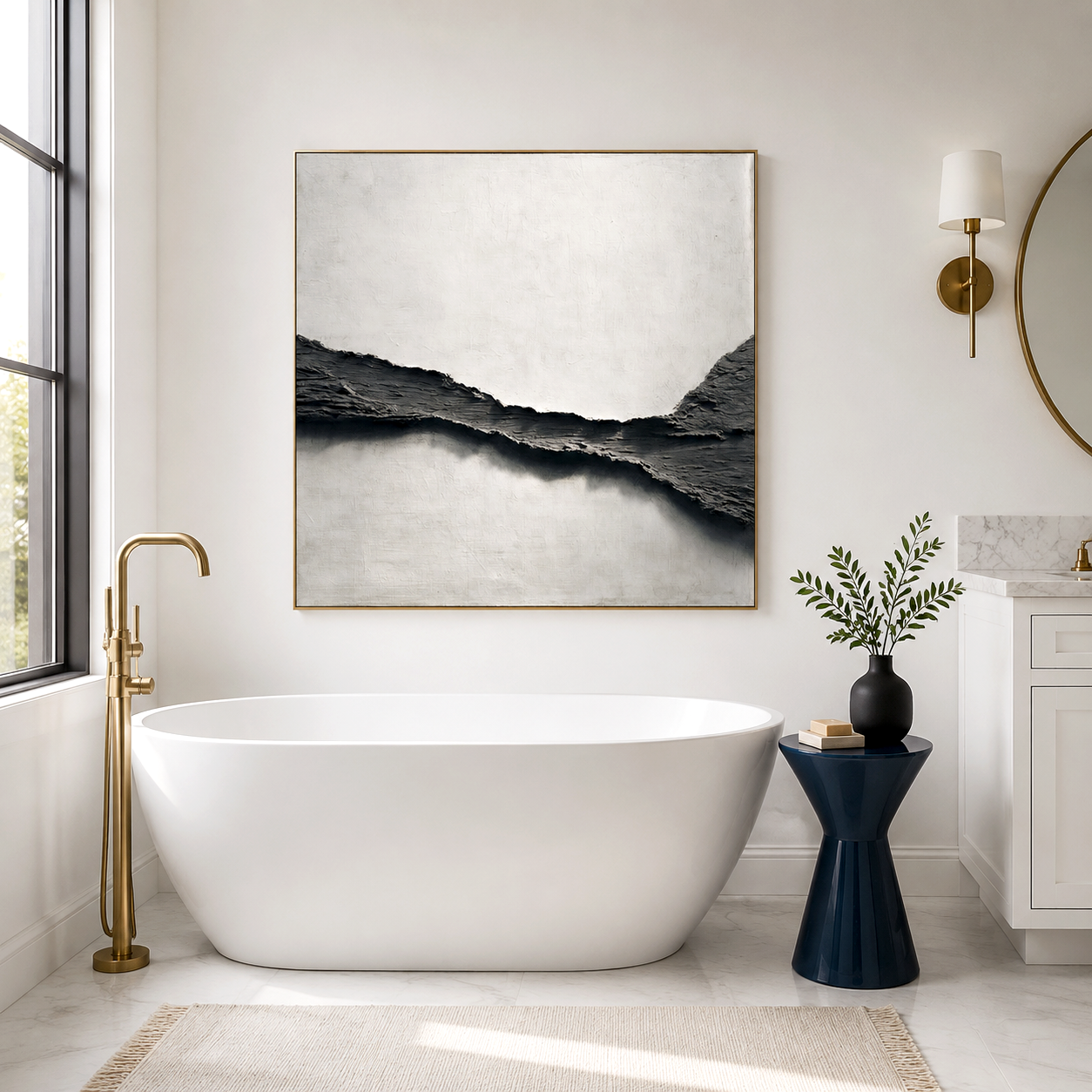
Acoustic art is transforming the way architects, interior designers, and homeowners think about sound and aesthetics. Once limited to bland, functional panels, soundproofing now serves as a creative focal point that enhances both beauty and comfort. By merging acoustic engineering with fine art design, modern spaces are becoming richer in emotion, calmer in atmosphere, and smarter in functionality.
The Evolution of Acoustic Art in Modern Design
The global acoustic panels market has grown rapidly as open-plan offices, restaurants, hotels, and urban homes demand quieter environments without sacrificing visual appeal. According to 2025 industry data, more than 60% of designers now factor in acoustic performance at the conceptual stage of interior planning. This trend reflects a deeper understanding: noise reduction and aesthetics can coexist through thoughtful wall art that absorbs sound and inspires emotion.
Acoustic art achieves this balance by integrating sound-absorbing materials—such as PET fiber, mineral wool, or perforated wood—with visual forms like murals and canvases. The result is décor that contributes not only to ambiance but also to well-being by reducing echo, improving speech clarity, and elevating mood.
Market Trends and Data Driving Acoustic Art Adoption
Acoustic wall art aligns with wellness-driven design, sustainability, and personalization—three powerful movements in modern architecture. Studies from design institutes in Europe and Asia show that spaces combining biophilic elements and acoustic treatments boost productivity by up to 15% and satisfaction by 30%. In hospitality sectors, hotels use artistic acoustic panels to create serene lounges and dining areas without harsh echoes.
Acousart, a Xiamen-based art collective dedicated to bringing innovative, high-quality artwork to homes, galleries, and commercial spaces, has pioneered this fusion. Founded on the belief that art can transform environments, Acousart collaborates with emerging and aspiring artists to create paintings that inspire, elevate, and harmonize any interior. A turning point came during a soundproofing renovation of their gallery, when they turned ordinary panels into stunning visual expressions—ushering in a new era of acoustic art that enhances both tranquility and style.
Core Technology: Where Art Meets Acoustics
At its core, acoustic art relies on a mix of physics and craftsmanship. Porous materials absorb specific sound frequencies while diffusing others, reducing reverberation and controlling background noise. Layers of fiberboard or foam sit behind painted or printed canvas, reflecting a precise balance between sound absorption coefficient and visual texture. Modern innovations include nanofiber coatings, digital art printing, and hybrid recycled materials that improve sustainability and lifespan.
The performance depends on how the artwork interacts with sound waves. Thicker materials lower mid-to-high frequency reverberations, while micro-perforations scatter remaining reflections. When combined with creative lighting and spatial design, acoustic art becomes a subtle yet powerful environmental controller—silencing distractions while guiding emotion through color, form, and visual rhythm.
Top Acoustic Art Solutions in 2026
| Product Name | Key Advantages | Ratings | Use Cases |
|---|---|---|---|
| SculptTone Canvas Series | High sound absorption, premium oil canvas texture | 9.5/10 | Office lobbies, studios, homes |
| ResonArt Modular Panels | Interchangeable design, eco-friendly PET core | 9.3/10 | Restaurants, hotels, schools |
| EcoSilence Wall Mural | Sustainable bamboo fiber base, customizable graphics | 9.1/10 | Wellness centers, hospitals |
Each series embodies the union of creative design and acoustic engineering—tailored for architects seeking performance without visual compromise.
Competitor Comparison Matrix
| Brand | Sound Absorption (NRC) | Customization Level | Artistic Quality | Price Range |
|---|---|---|---|---|
| Acousart | 0.85 | Full | Hand-painted, museum-grade | Mid-High |
| Soundcentric | 0.82 | Medium | Digital prints | Mid |
| WallTone | 0.78 | Limited | Industrial design patterns | Low-Mid |
Acousart’s handmade oil paintings distinguish themselves not just by performance but by their authenticity and craftsmanship—a quality increasingly valued in high-end interior design.
Real User Cases and ROI Impact
Corporate offices report that acoustic wall art installations reduce average noise levels by 30%, improving focus and reducing fatigue. A Hong Kong co-working space integrated artistic acoustic panels into meeting rooms; post-installation, users recorded a 40% improvement in communication clarity and a more relaxed atmosphere. Likewise, residential clients noted that combining wall art with acoustic insulation improved restful sleep and interior harmony without consuming additional floor space. Such projects demonstrate tangible ROI in both productivity and psychological well-being.
Future Design and Acoustic Trends
Future innovations in acoustic art focus on personalization, sustainability, and digital integration. 3D printing is enabling intricate surface textures that scatter sound dynamically, while intelligent acoustic sensors can adapt absorption rates to room activity. Bio-based materials such as hemp fiber and sugarcane foam are becoming popular alternatives to conventional insulation. Designers anticipate that modular acoustic canvases with interchangeable patterns will dominate the next wave of smart interior aesthetics, allowing spaces to evolve visually and acoustically over time.
Relevant FAQs
What is acoustic art and how does it work?
Acoustic art integrates sound-absorbing materials into visually appealing designs, reducing echo and noise while enhancing the décor of modern interiors.
Which materials offer the best acoustic performance?
Recycled PET felt, mineral wool, bamboo fiber, and perforated wood panels achieve high sound absorption while maintaining artistic flexibility.
Can acoustic art be customized for any interior theme?
Yes, custom-made acoustic artworks can match wall color palettes, branding themes, or architectural design without diminishing their acoustic effectiveness.
How long does acoustic art typically last?
High-quality acoustic artworks, when maintained properly, can last over a decade, retaining both aesthetic and functional value.