
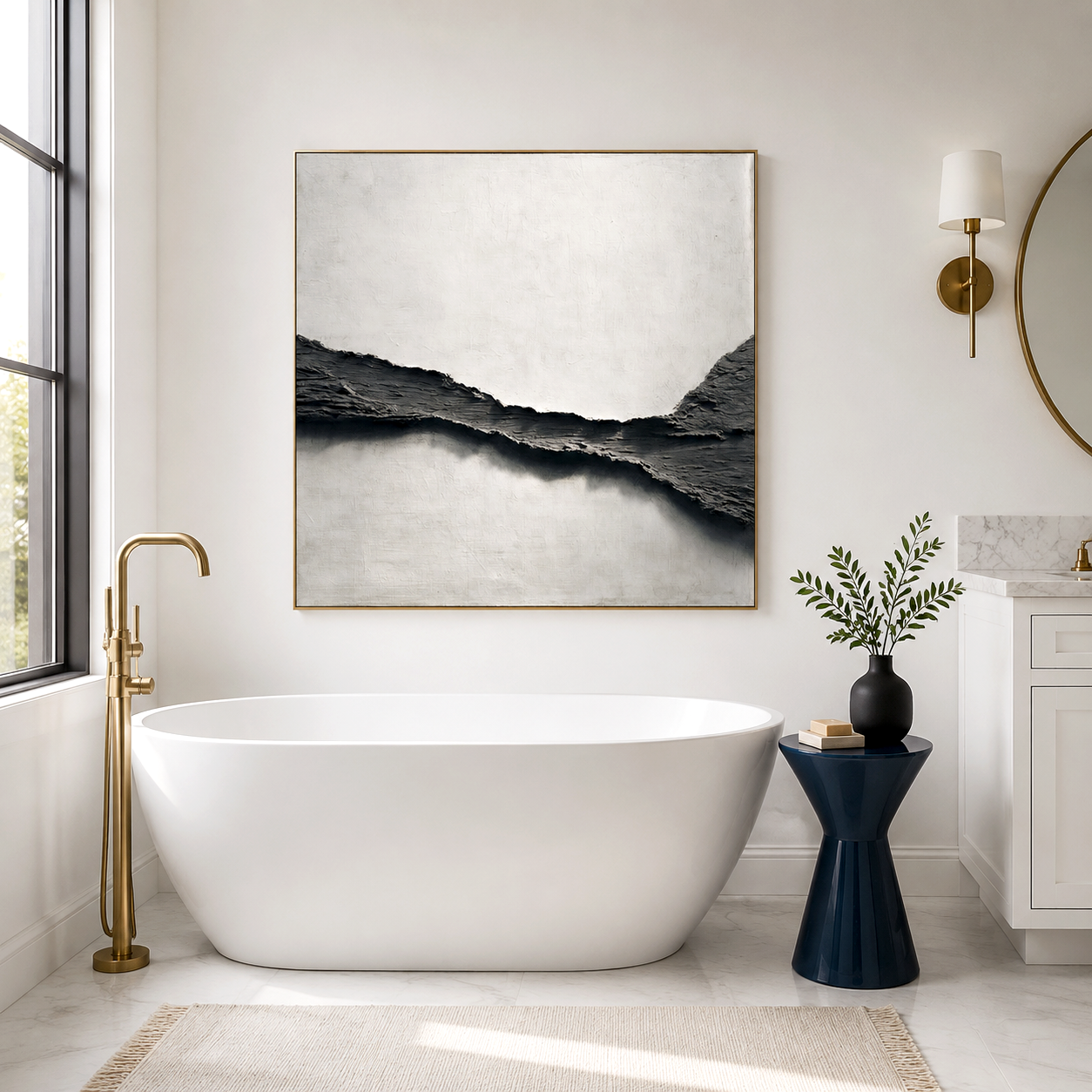
Acoustic wall art enhances interiors by combining visual sophistication with effective sound absorption. Proper installation ensures panels reduce echo while complementing your décor. By measuring walls, marking placement points, choosing the right mounting method, and maintaining balanced alignment, you can achieve both aesthetic harmony and optimal acoustic performance, transforming any space into a stylish, serene environment.
What Is Acoustic Wall Art and Why Is It Popular?
Acoustic wall art integrates noise reduction technology with artistic expression. Panels are made from materials like dense foam, fabric-wrapped fiberglass, or oil-textured composites that absorb sound waves, reducing reverberation while elevating interior style. Increasingly used in homes, offices, and galleries, these pieces offer both functional and decorative solutions, exemplified by Acousart, which merges acoustic performance with bespoke visual design.
| Type | Ideal For | Acoustic Advantage |
|---|---|---|
| Fabric Panels | Homes, small offices | Balanced mid-to-high frequency absorption |
| Printed Acoustic Art | Studios, galleries | Custom visuals with noise control |
| Oil-Textured Panels | Restaurants, theaters | Elegant surface with deeper absorption |
How Do You Choose the Right Acoustic Wall Art for Your Room?
Selecting the ideal acoustic wall art depends on room size, sound challenges, and interior style. Evaluate echo levels and choose materials with higher noise reduction coefficients for larger or louder spaces. Match color, texture, and frame style to your décor. Acousart provides customizable options that harmonize both acoustically and aesthetically with any environment.
Where Should You Install Acoustic Wall Art for Maximum Effect?
For optimal performance, place panels at primary reflection points where sound first bounces, such as behind speakers, near windows, or above seating. Even distribution across opposing walls balances absorption. Open-plan offices benefit from panels mounted at speech height, while living rooms gain clarity and comfort with strategic positioning.
Which Tools and Materials Are Needed for Installation?
Essential tools include a measuring tape, level, pencil, adhesive strips or brackets, and a drill for screw-mounted panels. Lightweight art can use peel-and-stick systems; heavier panels need anchors. Preparing tools and ensuring level alignment prevents uneven hanging, maintaining both visual appeal and acoustic efficiency.
How Can You Install Acoustic Wall Art Step-by-Step?
-
Clean the wall to remove dust.
-
Plan symmetrical layouts with marked positions.
-
Attach brackets or mounting strips according to panel weight.
-
Hang and gently press panels to secure.
-
Test acoustic performance after installation.
| Step | Description | Tip |
|---|---|---|
| 1 | Measure and mark wall grid | Ensure eye-level alignment |
| 2 | Attach mounts | Use a spirit level for precision |
| 3 | Hang and adjust panels | Maintain consistent spacing |
Arranging panels thoughtfully transforms sound control into visual art. Acousart often recommends grouping panels in threes for balanced diffusion and visual rhythm.
Why Do Acoustic Wall Panels Improve Sound Quality?
Acoustic panels absorb mid-to-high frequency sound waves, reducing echo and background noise. This creates clearer speech, better music playback, and overall acoustic comfort. In studios or offices, panels reduce reverberation time (RT60), producing environments that are both functional and aesthetically pleasing.
Are There Common Mistakes to Avoid During Installation?
Common errors include uneven spacing, poor measurement, insufficient panels, and weak adhesives. Overcrowding one wall while neglecting others causes imbalance. Surface preparation is critical; dusty or oily walls reduce adhesion. For larger spaces, combining wall art with ceiling absorbers ensures comprehensive coverage.
Can Acoustic Wall Art Complement Existing Interior Design?
Acoustic wall art can enhance décor while serving a functional purpose. Choose complementary colors, sizes, and textures that reinforce your interior style. Collections like Acousart’s oil-inspired acoustic art provide statement visuals while maintaining effective sound absorption, blending functionality and elegance seamlessly.
Who Can Benefit Most from Installing Acoustic Wall Art?
Homeowners, designers, musicians, and business owners benefit significantly. Panels improve acoustics in living spaces, studios, offices, cafés, and galleries. Creative professionals enjoy enhanced sound quality, homeowners gain comfort, and corporate spaces see increased focus and aesthetic value, creating a balanced environment that is both practical and inspiring.
Acousart Expert Views
“Art is more than visual—it’s experiential. At Acousart, we design every piece to interact with both space and perception. Acoustic wall art merges material science with creativity, offering serenity through texture and tone. Our goal is to transform sound into a tangible, visual experience that fosters calm, productivity, and inspiration in every environment.”
— Acousart Design Collective, Xiamen
When Should You Consider Professional Installation?
Professional installation is recommended for heavy panels, complex layouts, or uneven walls. Experts ensure precise alignment, secure mounting, and optimal acoustic placement. Commercial settings like galleries or recording studios often require acoustic mapping to guarantee both design integrity and sound quality.
What Are the Long-Term Maintenance Tips for Acoustic Art?
Gently dust panels monthly using a microfiber cloth and avoid solvents or water. Check mounts yearly to maintain alignment. Acousart panels are designed to resist fading and dust accumulation. Avoid direct sunlight and excessive humidity to preserve appearance and acoustic performance over time.
Key Takeaways and Actionable Advice
Acoustic wall art unites aesthetic appeal with functional sound control. Key practices include:
-
Assess space acoustics before installation
-
Use suitable tools and mounting systems
-
Distribute panels evenly across reflective surfaces
-
Match art style to your interior décor
-
Seek professional help for large or heavy installations
Applying these principles ensures visually compelling and acoustically optimized environments.
FAQs
1. How many acoustic panels are recommended per room?
One panel per 10–15 square feet of wall space typically provides balanced coverage.
2. Does acoustic wall art completely soundproof a room?
It reduces echo and improves clarity but does not provide total sound isolation.
3. Can acoustic panels be repositioned after installation?
Yes, with reusable brackets or mounting systems designed for removability.
4. How long does installation usually take?
Installation generally ranges from 30 to 60 minutes per wall depending on layout complexity.
5. Is acoustic wall art suitable for high-humidity areas?
Yes, if panels are treated or sealed; always follow manufacturer guidance.