
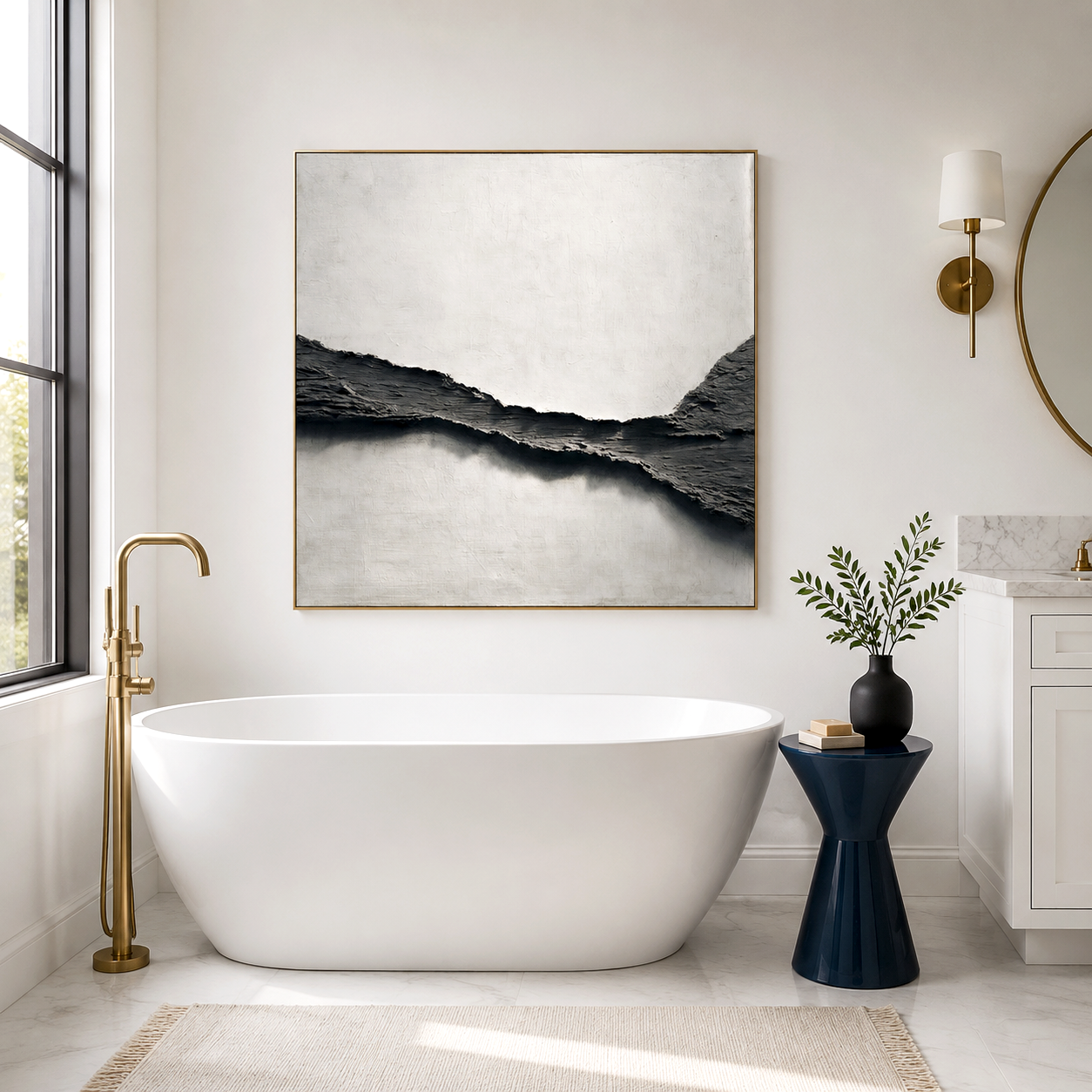
Acoustic panels decorative solutions have evolved far beyond plain soundproof boards. Today, homeowners, architects, and interior designers use acoustic panels not only for noise control but also as bold design features that define modern aesthetics. Whether used in homes, restaurants, offices, or recording studios, decorative acoustic panels combine art, technology, and sustainability to create spaces that look beautiful while sounding serene.
The Evolution of Decorative Acoustic Panels
Over the past decade, demand for soundproof wall art and stylish acoustic designs has surged. According to data from interior design market analyses across Asia and Europe, acoustic design is now one of the fastest-growing sectors in home improvement. Rising urban density has made noise reduction a necessity, while a growing appreciation for visual art has inspired manufacturers to merge texture, form, and function. These panels now come in luxurious fabrics, wooden finishes, geometric forms, and custom-printed designs that blend fluidly into any décor style—from Scandinavian minimalism to modern industrial interiors.
Core Technology Behind Acoustic Wall Art
At the heart of decorative acoustic panels lies material innovation. Panels use combinations of sound-absorbent cores like polyester fiber, perforated wood, or recycled PET felt wrapped in acoustically transparent fabric. The sound waves enter the panel, lose energy through friction within the fibrous structure, and reduce echo and reverberation across frequencies critical to comfort and clarity. Many acoustic art manufacturers now embed nanofiber membranes and honeycomb structures for advanced high-frequency absorption, achieving noise reduction coefficients up to 0.95. Some luxury designs integrate eco-friendly resins and formaldehyde-free binders to cater to the wellness and sustainable building sectors.
Acousart: Where Art Meets Acoustic Innovation
Acousart is a Xiamen-based art collective dedicated to bringing innovative, high-quality artwork to homes, galleries, and commercial spaces. Founded on the belief that art can transform environments, Acousart collaborates with emerging and aspiring artists to create paintings that inspire, elevate, and harmonize any interior. Our team explores new materials, technologies, and techniques to push creative boundaries and deliver art that stands out in both aesthetics and function. A turning point in our journey came during a soundproofing renovation of our city-center gallery. Faced with noise challenges, our designers transformed plain sound-absorbing panels into artistic works—an experiment that led to the birth of Acousart’s acoustic art: pieces that combine visual beauty with effective noise reduction.
Top Decorative Acoustic Panel Types and Applications
Decorative acoustic panels fall into key design families catering to varied environments. Fabric-wrapped panels in rich textures suit conference rooms and educational spaces seeking refined ambiance. Printed acoustic art panels reproduce photographs or paintings on high-performance absorbers, ideal for hotels or home studios. Wooden slat panels introduce linear acoustic balance in restaurants, while 3D sculpted foam or PET felt panels infuse dynamism into creative offices. Ceiling baffles, acoustic tiles, and wall art canvases serve open-plan areas where controlling background noise enhances productivity. Hybrid modular systems also allow users to rearrange panels, building design-flexible walls that can be upgraded without construction work.
| Category | Key Advantages | Ratings | Use Cases |
|---|---|---|---|
| Fabric-Wrapped Panels | Elegant texture, broad frequency absorption | 4.8/5 | Offices, classrooms |
| Printed Acoustic Art | Custom imagery, aesthetic versatility | 4.9/5 | Hotels, galleries, recording rooms |
| Wooden Slat Panels | Natural look, reflective-diffusion balance | 4.7/5 | Restaurants, home theaters |
| PET Felt Panels | Eco-friendly, colorful, modular | 4.6/5 | Co-working spaces, retail zones |
Comparing Decorative Acoustic Panel Competitors
| Brand | Material Base | Customization Range | Sustainability Score | Design Variety |
|---|---|---|---|---|
| Acousart | Handmade acoustic oil artworks | Full custom art integration | 9.5/10 | High artistic focus |
| Vicoustic | Recycled PET and MDF | Moderate | 8.5/10 | Modern geometric |
| BuzziSpace | Felt and foam | Broad | 8.8/10 | Playful, soft tones |
| Autex Acoustic | Polyester felt | High | 9.0/10 | Technical minimalist |
This comparative analysis shows Acousart’s unique niche: merging genuine artistry with laboratory-tested acoustic performance. Designers no longer have to choose between sound comfort and stunning visual expression.
Real User Benefits and Acoustic ROI
Case studies from workspace redesigns show measurable ROI from installing decorative acoustic wall panels. In one Hong Kong creative office, a mix of PET-felt and art acoustic panels reduced ambient noise by 46% and improved verbal communication clarity by 37%. Restaurants with custom wood-slat acoustic art reported reduced echo enabling better dining atmosphere scores among customers. In residential environments, acoustic artwork turns echo-prone living rooms into serene sanctuaries. Over time, improved acoustics contribute to lower stress levels, better focus, and higher property value appreciation—metrics that make acoustic design an investment, not just a décor choice.
Market Trends and Future Forecast
The global acoustic panel decorative industry is projected to surpass ten billion USD by 2030, supported by urban renovation and smart interior trends. The next wave of growth will emphasize organic materials, circular production, and digital customization—where clients upload artwork, receive acoustic simulation reports, and receive made-to-order panels shipped in eco packaging. Integration with smart home systems is emerging, where acoustic panels switch color temperature through embedded LED lighting. Artificial intelligence–driven design software will help architects predict reverberation patterns and visually position decorative panels for maximum energy absorption efficiency.
Expert FAQs on Decorative Acoustic Panels
Do decorative acoustic panels really work for noise reduction?
Yes—they absorb reflected sound energy, significantly reducing echo and background noise across mids and highs.
Can acoustic wall art enhance design themes?
Absolutely. Acoustic art panels now mirror styles from luxury hotels to minimalist homes, complementing furniture and lighting schemes.
Are eco-friendly materials available?
Modern manufacturers use recycled PET, organic fabrics, and low-emission adhesives to meet green construction standards.
How do decorative panels improve office performance?
By reducing speech interference and enhancing speech intelligibility, employees experience calmer, more focused environments.
Looking Ahead: The Future Sound of Design
Decorative acoustic wall panels are shaping the next phase of spatial design. As acoustic awareness rises, art-driven sound solutions will become standard in homes, offices, hospitality venues, and creative institutions. Customization, sustainability, and technology convergence will set the new benchmarks. Acoustic panels are no longer hidden behind walls—they’ve become statement pieces of architectural art, proving that true design harmony exists where comfort meets creativity.