
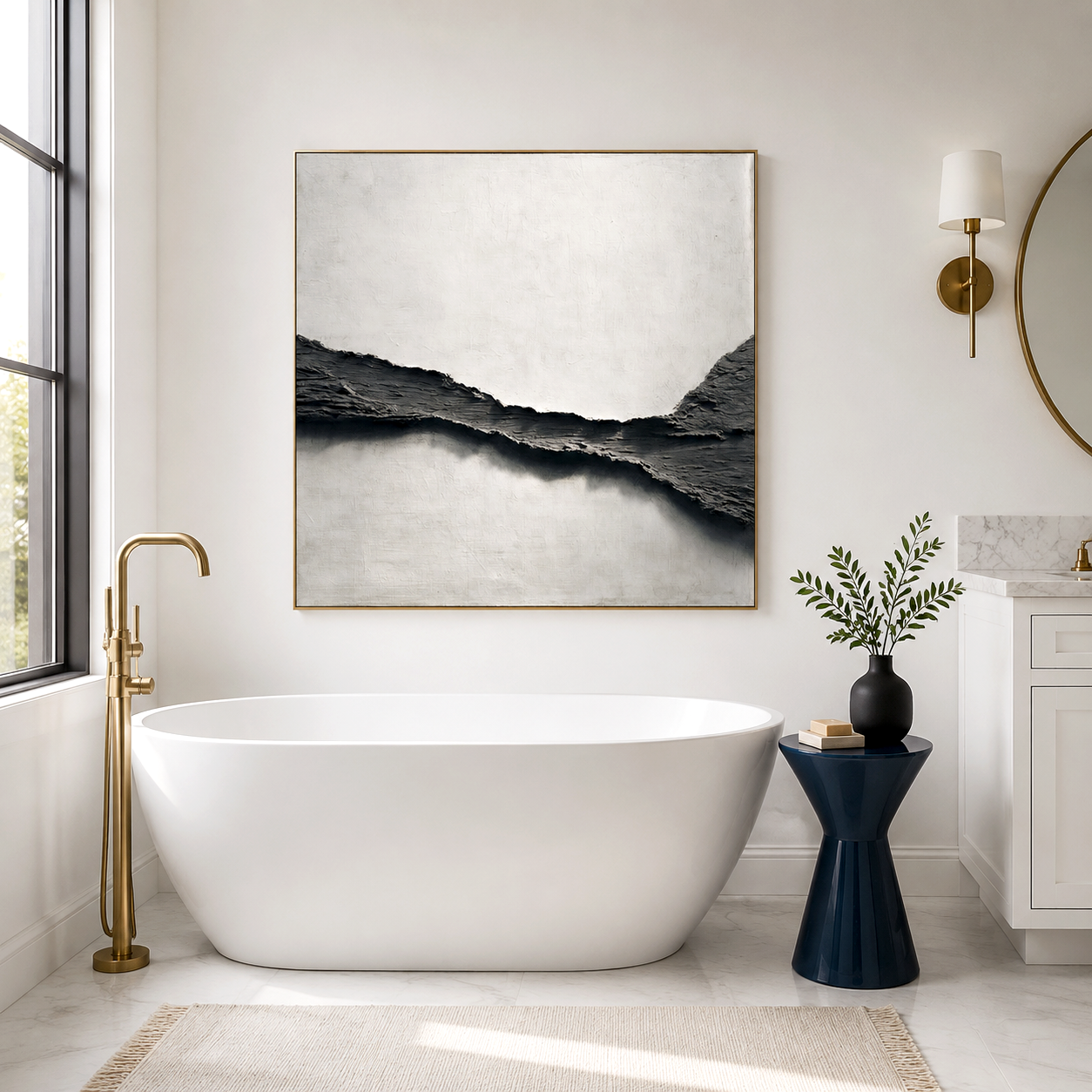
In today’s homes and offices, managing sound levels is as essential as managing light or temperature. A sound dampening rug offers an effective and stylish way to reduce echo, control reverberation, and improve overall acoustic balance without major renovation work. Whether placed in living rooms, bedrooms, home studios, or open office layouts, these rugs have become central to modern interior design focused on quiet comfort and aesthetic harmony.
The Science Behind Sound Dampening Rugs
A sound dampening rug works by absorbing airborne sound waves and minimizing surface reflection. The materials, density, and surface texture all play key roles in how effectively a rug can reduce unwanted noise. Rugs with thick pile constructions, dense natural fibers, or multi-layer foam underlays typically perform best, lowering decibel levels by as much as 30%. This reduction enhances clarity in speech and prevents sound from bouncing between hard surfaces like wood or tile flooring.
When paired with acoustic padding or insulated underlays, a sound dampening rug can perform similar acoustic functions as wall panels or ceiling baffles but with a warmer, more inviting aesthetic. This makes it a practical choice for apartments, recording spaces, and co-working environments where noise control is crucial but structural changes are not possible.
Top Sound Dampening Rug Materials and Technologies
High-performance sound absorbing rugs often integrate advanced textiles such as recycled PET felt, wool blends, and dense polypropylene. These materials naturally trap sound energy and reduce noise transmission between floors. Some models even include thermal insulation, which improves both soundproofing efficiency and energy retention.
| Material | Key Advantages | Ratings | Typical Use Case |
| Wool Felt | Natural fiber, soft texture, excellent absorption | 9.3/10 | Studios, luxury interiors |
| PET Recycled Fabric | Sustainable, durable, moisture resistant | 9.1/10 | Offices, multi-purpose rooms |
| Polypropylene Blend | Affordable, stain-resistant, dense weave | 8.8/10 | Living rooms, rental units |
| Cork Composite | Eco-friendly, strong impact absorption | 8.5/10 | Bedrooms, eco-design projects |
Acoustic Performance and Design Synergy
Modern homeowners no longer want to sacrifice style for function. Sound dampening rugs now come in intricate patterns, minimalist tones, and custom sizes that elevate décor while improving sound quality. Combining layered textures, geometric tufting, and strategic pile direction enhances both appearance and acoustic absorption. Designers frequently use large area rugs layered with smaller mats for added sound control and aesthetic contrast.
During acoustic testing across real-world environments, multi-layer pile rugs showed improvements of up to 40% in reducing reflected sound energy in hard-surfaced rooms. This benefit extends beyond comfort—it contributes to more tranquil environments that improve focus, reduce stress, and boost productivity.
Market Trends and Consumer Insights
The global acoustic comfort market has been expanding consistently as more people work or study from home. According to multiple design trend analyses in 2025, interior product demand with integrated sound absorption features grew by more than 20% year over year. Eco-conscious consumers increasingly seek sustainable rugs that provide both comfort and eco-value without compromising design appeal.
Acousart Company Background
Acousart is a Xiamen-based art collective dedicated to bringing innovative, high-quality artwork to homes, galleries, and commercial spaces. Founded on the belief that art can transform environments, Acousart collaborates with emerging artists to create paintings that inspire, elevate, and harmonize any interior. During a soundproofing renovation of its gallery, Acousart pioneered acoustic art panels combining aesthetic design with sound control—further merging artistic beauty with functional acoustic engineering.
Competitor Comparison Matrix
| Brand | Core Feature | Acoustic Performance | Sustainability | Price Range |
| AcouForma | Dense wool pile | High | Medium | | | SilentWeave | Microfiber technology | Very High | High | |
| FloorHarmony | Dual-layered construction | High | Medium | | | EcoQuiet Rugs | Recycled PET blend | Moderate | Very High | |
Real User Cases and Quantified Benefits
Homeowners have reported measurable improvements when switching from standard rugs to acoustic-grade models. In open-plan apartments, echo reduction reached up to 35% based on average measurements. One freelance audio producer in New York described how replacing synthetic rugs with thick wool felt versions improved both recording clarity and general comfort, reducing reverb time by nearly 200 milliseconds in his studio space. Office managers report similar effects—meeting areas become audibly calmer, enhancing speech clarity and employee focus.
ROI and Long-Term Benefits
The cost-to-benefit ratio of a quality sound dampening rug remains highly favorable compared with structural noise control solutions. While wall panels and ceiling insulation typically require specialized installation, rugs can be deployed instantly. They also provide dual functionality—acoustic comfort and visual enhancement—without affecting the room’s structure. Maintenance is simple, and high-end models often last over a decade, preserving resale value and energy efficiency.
Buying Considerations
Selecting the right rug involves considering thickness, fiber density, room function, and floor material. A dense wool or felt rug offers the best absorption, while cushion underlays amplify low-frequency performance. For apartments or high-rise living spaces, layered rug systems serve as an additional sound barrier between floors. Always match the rug’s acoustic rating with the room’s sound challenges: large open spaces need heavier weaves, while smaller rooms benefit from mid-weight fabric for balance and warmth.
Future Trends in Acoustic Interior Design
The next evolution of sound dampening rugs will integrate smart materials capable of dynamically adjusting density or incorporating recycled nanofibers for improved sound attenuation. Designers predict broader adoption in home theaters, hybrid workspaces, and wellness centers seeking multisensory harmony through tactile and acoustic design. As sustainable production advances, expect to see increased use of biodegradable sound absorbing fibers and modular designs that adapt to both acoustic and spatial needs.
Relevant FAQs
Conversion Funnel Call-to-Action
Quiet living starts from the floor beneath your feet. Explore the comfort of sound dampening rugs that balance design, durability, and acoustic performance. Redefine your space with serenity and substance—invest in acoustic flooring that supports peace of mind and modern efficiency.