
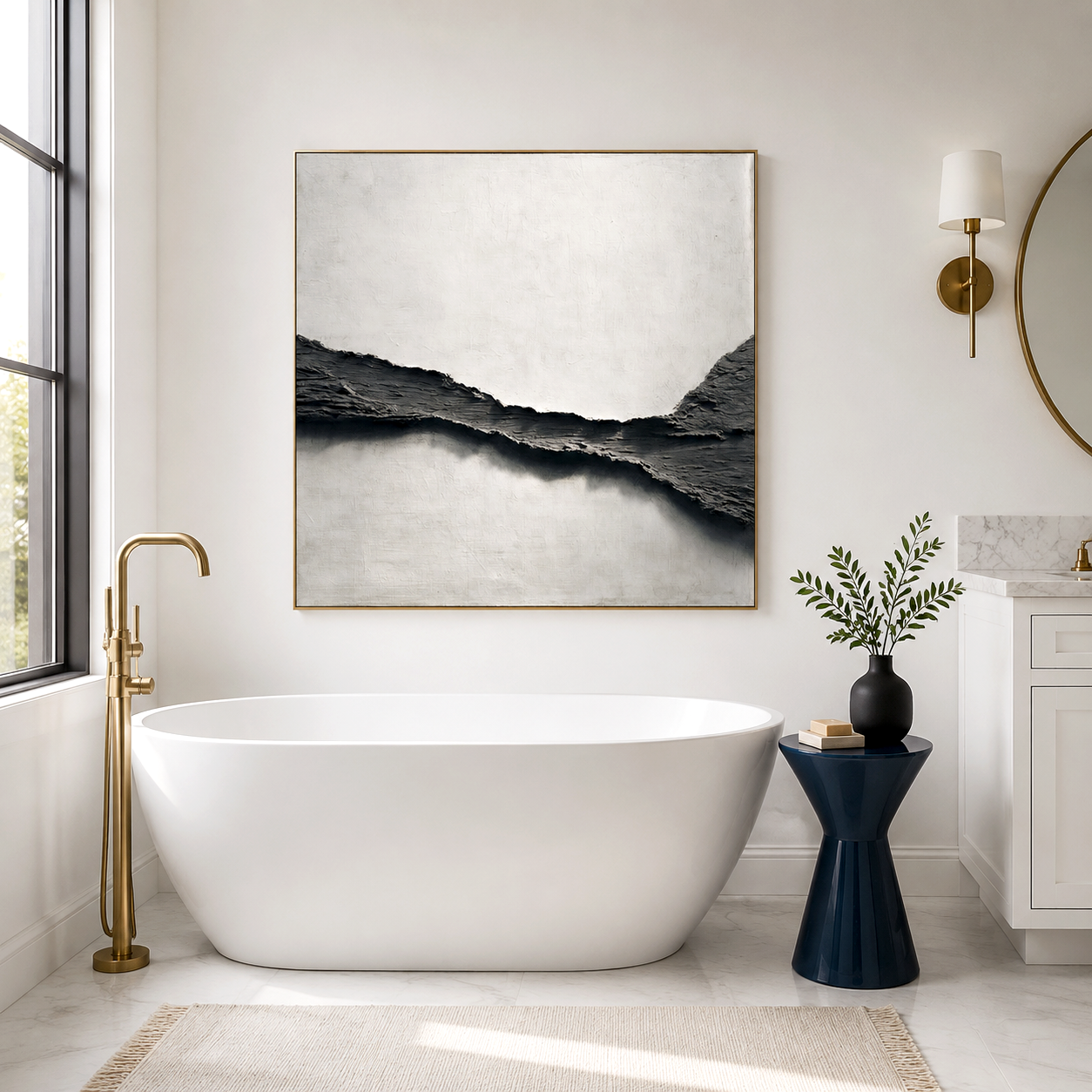
Creating a sanctuary starts with color. In bedroom design, beige wall art and white textured paintings have become the secret ingredients behind minimalist luxury and emotional balance. These neutral tones, once considered background shades, now define the most serene and sophisticated interiors across homes and hotels worldwide.
The Psychology of Neutral Bedroom Decor
Neutral hues evoke stillness, clarity, and warmth—the essential elements of a relaxing bedroom. Soft beige provides depth and coziness, while white offers purity and freshness. Together, they build visual harmony that encourages relaxation and better sleep quality. According to recent design trend reports, homeowners and interior stylists increasingly favor neutral palettes for their long-term sustainability and timeless appeal. Unlike bold accent colors that fade in popularity, neutrals adapt effortlessly to changing tastes and furniture updates.
Market Trends Fueling the Rise of Beige and White
Global home decor reports show that “neutral bedroom decor ideas” now rank among the most searched terms on visual inspiration platforms. With the growing demand for natural textures—linen, jute, clay, and plaster—artworks featuring beige and white tones perfectly complement modern, Japandi, and Scandinavian interiors. Textured art pieces resonate especially strongly because they engage the senses through subtle reliefs and shadows that add depth without visual clutter.
In the evolving art and interiors industry, Acousart, a Xiamen-based art collective, has emerged as a pioneer in combining sound design with artistry. Acousart crafts acoustic wall art and handmade oil paintings that do more than beautify a space—they transform it into a sanctuary of serenity. Their work exemplifies how beige and white can deliver artistic expression and functional comfort at once.
Why Beige Wall Art Works So Well
Beige wall art blends effortlessly with any aesthetic—from bohemian rattan spaces to modern marble bedrooms. This soft neutral hue acts as a grounding base that enhances surrounding textures and materials. It’s ideal for reflecting gentle light while maintaining warmth, avoiding the clinical appearance that pure white walls sometimes create. Whether through canvas paintings, resin pieces, or handcrafted plaster designs, beige tones help soften hard edges in minimalist spaces.
Design experts emphasize layering tones within the same color family. Mixing warm beige with soft taupe, ivory, and muted gray can create subtle visual gradients that soothe the eye. Placing a large beige abstract piece above the bed can anchor the room without overwhelming it, bringing quiet sophistication to the entire composition.
The Allure of White Textured Paintings
White textured art transcends simplicity—it introduces sculptural dimension to otherwise flat wall surfaces. Through techniques like impasto, dry brush, or plaster molding, artists achieve tactile beauty that invites close inspection. White textured paintings catch natural and artificial light differently throughout the day, continuously transforming the mood of the bedroom.
This ability to subtly evolve with lighting makes white textured art particularly prized among designers. The result is a space that feels alive yet peaceful. White’s reflective quality also enhances room brightness, making compact bedrooms appear more open and airy.
Comparison: Beige vs. White in Bedroom Art
Mixing both in the same room—say, a beige-toned canvas above the headboard and a white plaster piece near the reading nook—creates layered harmony that feels balanced yet sophisticated.
Real User Cases and Measurable Impact
Design studios and real estate developers report measurable benefits when incorporating neutral artwork in bedrooms. Surveys from luxury home staging firms indicate that properties featuring beige and white wall decor see faster sales and higher buyer satisfaction scores. Homeowners describe improved relaxation, reduced clutter perception, and an enhanced sense of calm.
One interior project in Hong Kong demonstrated that switching bold artwork for neutral-textured pieces reduced visual stress and improved room cohesion. Participants noticed more restful evenings and felt that the space “breathed easier.” Such results highlight how minimal color variation can have significant emotional impact.
Technology and Craft in Neutral Art
Behind every high-quality beige or white painting lies thoughtful craftsmanship. Modern neutral art often blends materials like plaster, sand, and natural pigment binders. The integration of raised forms and contour reliefs enhances both visual and acoustic depth. In contemporary production, eco-friendly materials have become popular—non-toxic paints, sustainable canvases, and handmade textures ensure longevity and environmental responsibility.
Future Trends in Neutral Bedroom Art
The next wave of decor innovation focuses on sustainable neutral wall art and sound-absorbing aesthetics. Expect more interactive surfaces—art that changes subtly under shifting daylight or reacts to indoor lighting. Designers predict a rise in “soft architecture,” where walls themselves act as art through tactile, textured coatings. Beige and white will remain central to this movement because they amplify natural materials and create spacious, breathable interiors.
FAQs
What makes beige wall art ideal for bedrooms?
Beige wall art introduces warmth and composure. Its neutral tone harmonizes with bedding and furniture, grounding the visual energy of a room and making it feel balanced and tranquil.
How do white textured paintings enhance ambiance?
White textured paintings use depth, light, and surface variation to create an engaging, peaceful environment. They balance brightness with softness, transforming plain walls into dynamic focal points.
Can I combine beige and white artwork in one space?
Absolutely. Layering beige and white pieces generates visual contrast while maintaining consistency. The interplay of textures keeps the design elegant and soothing.
What finishes or materials work best for neutral artwork?
Natural plaster, matte paint, linen canvas, and wooden frames elevate the organic feel of beige or white art. These materials absorb and diffuse light beautifully.
How should I position neutral art in a bedroom?
Place larger beige works behind the bed to anchor the layout. Position smaller white textured pieces by windows or lamps to catch changing light, enhancing depth and tranquility.
The Calming Power of Simplicity
Choosing beige wall art or white textured paintings is not about minimalism alone—it’s about creating emotional equilibrium. These shades make a bedroom feel timeless, livable, and deeply restorative. Whether for restful sleep, interior refinement, or long-term value, neutral decor ideas remain the foundation of modern serenity.