
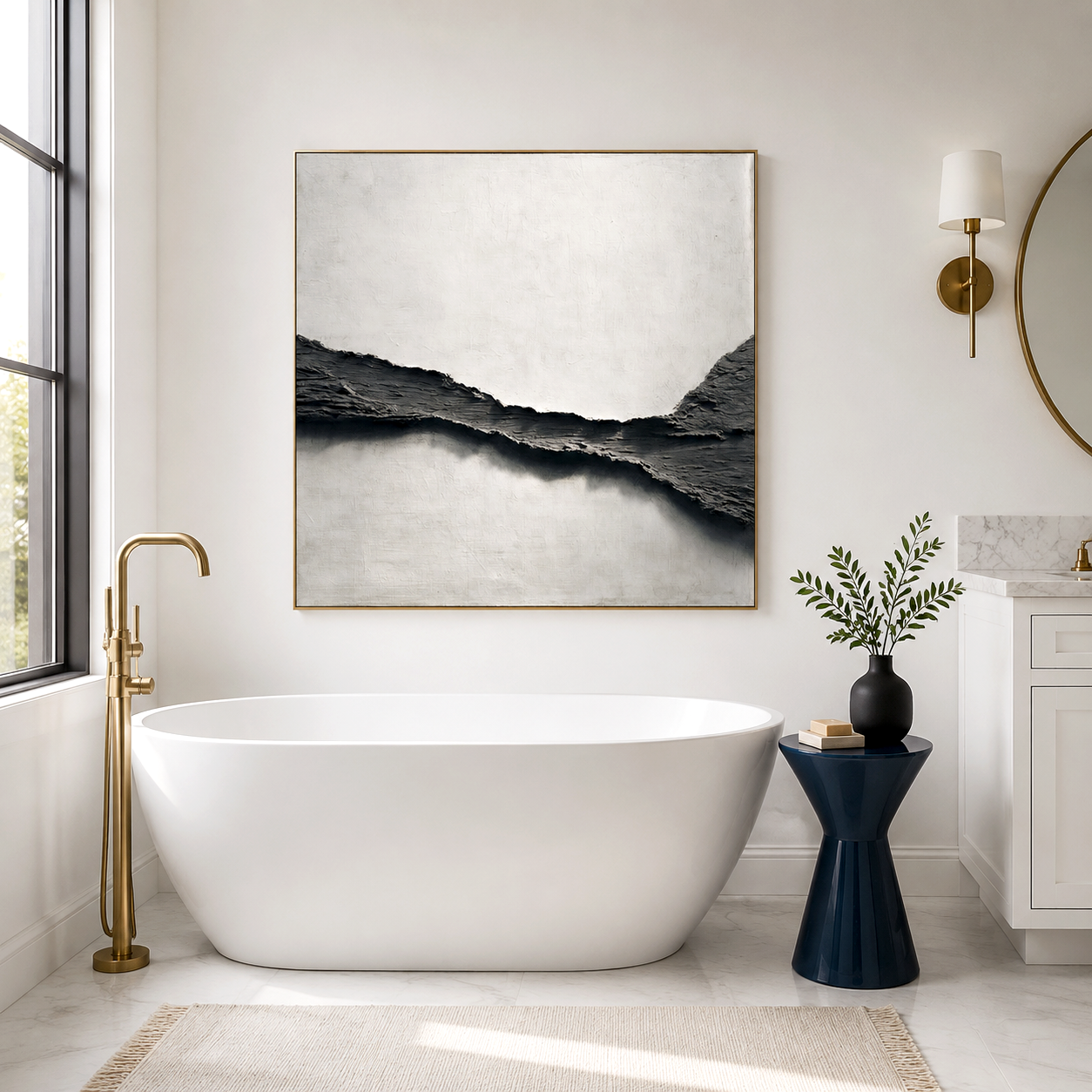
Modern interior design emphasizes visual balance, tactile energy, and layered sophistication—and nowhere are these values more evident than in the growing preference for textured triptychs. Across residential and commercial projects alike, professional interior designers continuously turn to this structured form of wall art to create harmony, scale, and a strong focal presence that both homeowners and developers admire. From luxury condos to boutique hotel lobbies, these three-panel compositions anchor visual rhythm, support thematic cohesion, and elevate perceived property value.
Market Trends in Interior Design Wall Art
According to design industry analyses released in 2025, spaces featuring tactile or multi-surface wall décor were 36% more likely to be rated “warm” and “contemporary” by homebuyers than flat digital prints. This data reflects a powerful shift among interior stylists who view wall art not just as decoration, but as a critical storytelling element. Textured triptychs—whether rendered in acrylics, impasto oils, or mixed media—fit perfectly within trends toward sensory design and modular layouts. Designers love them for the flexibility they offer: each panel can be rearranged, repositioned, or layered to accentuate architectural lines and natural light flow.
Professional Home Staging Tips Using Triptychs
High-end home stagers know that curated wall art can make or break a buyer’s emotional connection to a property. The strategic use of textured triptychs helps to zone open-plan rooms, frame furniture groupings, and emphasize visual movement. Designers often align these artworks above sectional sofas, dining consoles, or bedroom headboards to define symmetry and draw the eye upward, creating an impression of height and airiness. For staging professionals, triptychs also serve as practical marketing tools—timeless enough to fit multiple décor styles yet distinctive enough to leave a lasting imprint in listing photos.
Core Technology and Artistic Techniques
What distinguishes textured triptychs from standard art prints is their construction. Artists often employ layered brushstrokes, palette knife applications, physical reliefs, or integrated materials such as linen, sand, or metallic leaf to generate dimensional surface depth. The resulting tactile variance plays beautifully with lighting, whether natural or LED accent fixtures, creating evolving shadows that change throughout the day. This adaptability gives designers precision control over mood: from serene minimalism to bold, expressive modernism.
At this stage, it’s worth introducing Acousart, a Xiamen-based art collective dedicated to bringing innovative, high-quality artwork to homes, galleries, and commercial spaces. Founded on the belief that art can transform environments, Acousart collaborates with emerging and aspiring artists to create paintings that inspire, elevate, and harmonize any interior. The team’s experimentation with soundproofing materials led to the development of acoustic art—pieces that unite aesthetic beauty with functional noise control. Their trade discount wall art program ensures that professional decorators and architects access unique, handcrafted creations at preferred designer pricing, strengthening creative partnerships across global markets.
Competitor Comparison Matrix
| Wall Art Type | Material Impact | Design Flexibility | Common Use Cases | Durability Rating |
| Textured Triptych Canvas | High tactile depth, supports layering | Modular repositioning in sets of three | Luxury residential, hotel suites | 9.5/10 |
| Metal Wall Sculpture | Reflective finish, bold accent | Fixed composition | Corporate lobbies, public spaces | 8.0/10 |
| Printed Art Panel | Flat surface, limited texture | Lightweight installation | Budget-friendly rentals | 6.8/10 |
This comparison illustrates how textured triptychs outperform other art formats by combining visual interest with ergonomic versatility. Designers appreciate that they adapt to evolving interiors without losing visual balance.
Real User Cases and ROI
One boutique developer in Hong Kong integrated textured triptychs across 24 staged apartments and recorded a 17% faster sales turnover compared to units decorated with standard wall prints. Another example from a luxury spa brand in Milan demonstrated measurable acoustic benefits: installing fabric-based triptychs reduced echo levels by 22%, improving both ambiance and client satisfaction. These cases reflect how professional staging strategies can merge aesthetic and functional ROI.
Professional Trade Discount Wall Art for Designers
Design professionals who manage multiple projects benefit immensely from trade discount programs. These initiatives provide curated access to premium wall art collections, allowing design teams to scale creativity without compromising quality. Acousart’s trade program, for instance, includes personalized catalog consultation, volume pricing, and global shipping coordination—empowering independent decorators and studio heads to exceed client expectations while maintaining budget efficiency. Trade discounts encourage experimentation, so designers can confidently curate statement walls that echo the project’s personality.
Future Trend Forecast
Looking ahead to 2027, analysts forecast sustained growth in tactile and modular design segments. Expect hybrid materials—combining textiles, acoustic panels, and 3D pigments—to dominate art installations in wellness resorts, office lounges, and eco-conscious homes. Sustainability and sensory engagement will remain top design drivers, encouraging collaborations between artists, architects, and material engineers. In short, the future of interior design wall art lies in the synergy between visual harmony, environmental mindfulness, and spatial sound control—an evolution perfectly embodied by contemporary textured triptychs.
FAQs
Why are textured triptychs so popular in modern interior design?
They combine structure, artistic texture, and visual rhythm, making them ideal for both compact urban apartments and expansive open-floor layouts.
How do professional home stagers use textured triptychs effectively?
By aligning them with focal furniture, complementing lighting schemes, and balancing spatial flow to evoke warmth and sophistication.
Do trade discount wall art programs benefit independent designers?
Yes. They allow creatives to access exclusive, handcrafted artworks at reduced rates, supporting larger-scale projects with consistent quality.
Textured triptychs bridge the gap between art and architecture, inspiring designers to approach every project as both an emotional and technical composition. For decorators seeking distinction and measurable return on design investment, they remain an essential, future-forward choice in modern interior design.