
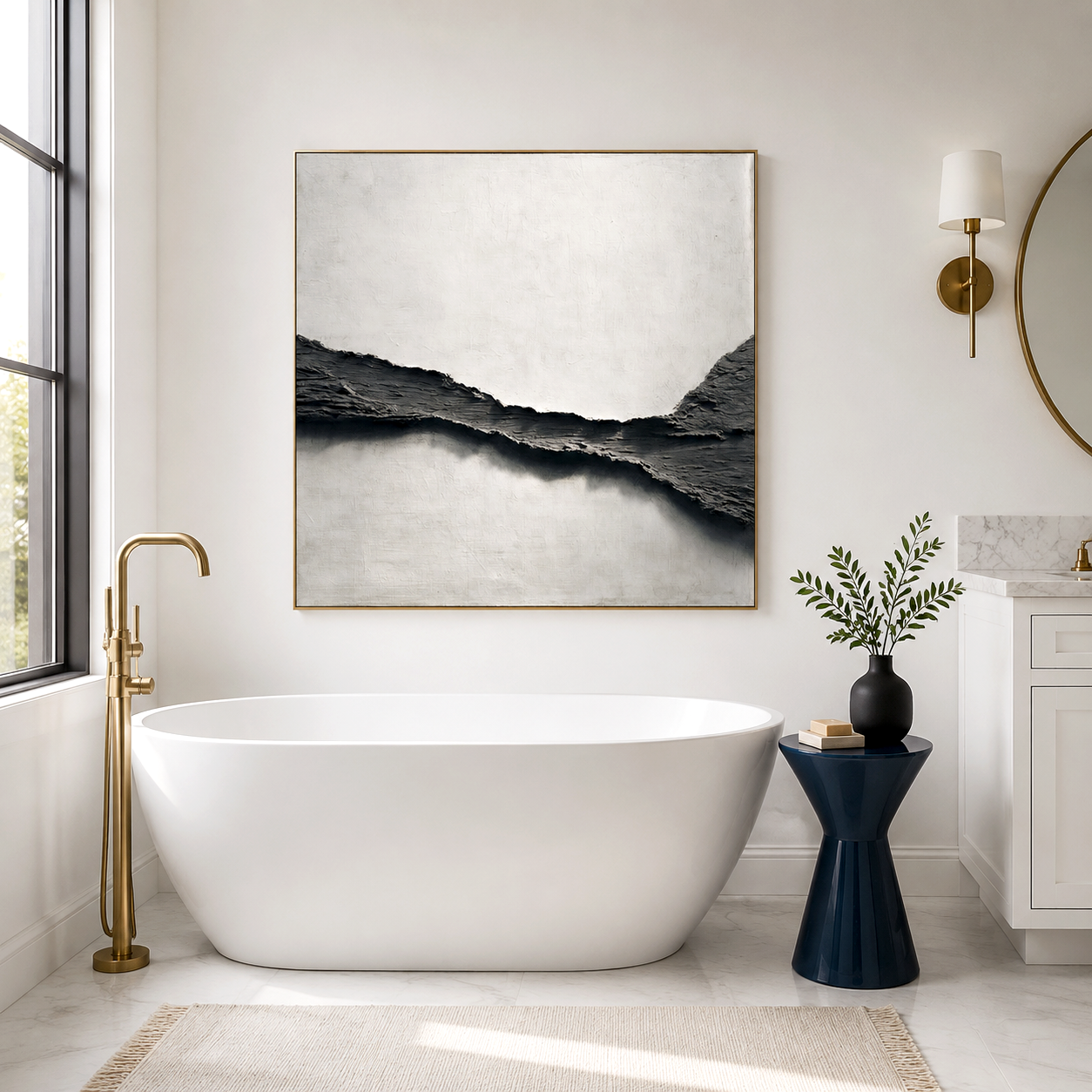
Plaster canvas art merges textured minimalism with contemporary style, offering a sculptural, three-dimensional approach to wall décor. Its organic look and tactile depth create serene, modern spaces that blend art and design seamlessly. Easy to customize, this medium’s versatility appeals to homeowners, designers, and gallerists alike—making it a signature element in today's interior trends.
What Is Plaster Canvas Art?
Plaster canvas art is a contemporary technique that combines plaster with canvas to create textured, relief-based surfaces. The artist shapes and sculpts the plaster directly onto the canvas, allowing it to harden before adding paint or other finishes. This technique results in three-dimensional artwork that brings depth, elegance, and a natural aesthetic to any room. Unlike traditional paintings, the focus is on surface texture, giving each piece a unique, tactile quality that enhances any space with a sense of sophistication.
How Is Plaster Canvas Art Made?
To create plaster canvas art, artists apply plaster to a primed canvas using palette knives or trowels. The texture can be adjusted by varying the thickness of the plaster and sculpting it into different shapes. After it dries, the piece may be sanded, painted with matte or natural colors, or sealed for protection. Each piece is a handcrafted, one-of-a-kind work, ensuring that no two are ever exactly alike.
Table 1: Common Materials and Tools
| Material/Tool | Purpose |
|---|---|
| Joint compound/plaster | Creates texture and relief |
| Canvas or board | Foundation surface |
| Palette knife | Applies and shapes plaster |
| Acrylic/Oil paint | Adds tonal depth |
| Sealer or varnish | Protects and finishes artwork |
Why Is Plaster Canvas Art So Popular Now?
Plaster canvas art is gaining popularity due to the growing trend of minimalist and wabi-sabi design aesthetics, which celebrate simplicity, imperfection, and organic beauty. The textures and surfaces of plaster art mimic natural materials like stone or clay, which perfectly complement the neutral, calming tones in modern interiors. With the rise in interest in sustainable design and wellness, plaster canvas art is seen as both a visually appealing and environmentally conscious choice for contemporary spaces.
Which Interior Styles Best Complement Plaster Canvas Art?
Plaster canvas art complements a range of interior styles, from modern and Scandinavian to coastal and Japandi. Its soft, neutral tones and organic textures bring a sense of tranquility and sophistication to any room. It pairs beautifully with natural materials like wood, stone, and linen, and its subtle elegance makes it a perfect fit for spaces that prioritize a minimalist, serene aesthetic.
Who Buys Plaster Canvas Art?
Plaster canvas art appeals to a wide range of buyers, including collectors, interior designers, boutique hotels, and homeowners who seek unique, calming artwork for their spaces. Many buyers are drawn to the handcrafted nature of plaster art, which ensures that each piece is one-of-a-kind. Its timeless appeal and versatile aesthetic make it a favorite choice for both residential and commercial properties.
Where Should Plaster Canvas Art Be Displayed?
Plaster canvas art works beautifully in living rooms, bedrooms, entryways, and hallways, as it adds depth and sophistication to the walls without overwhelming the space. It is also a popular choice for commercial spaces like offices, lobbies, and hotels, where it can create an upscale, tranquil ambiance. Its versatility allows it to be used as a statement piece or to complement other artwork in a room.
Can You Make Plaster Canvas Art at Home?
Yes, creating plaster canvas art at home is possible with basic materials and tools. By applying plaster to a primed canvas, sculpting it with a palette knife, and allowing it to dry, DIY artists can create simple geometric or organic shapes. After drying, the piece can be sanded and painted with acrylic or oil paints. Sealing the artwork will ensure its durability and prevent cracks, creating a beautiful, handmade addition to your home décor.
Does Acousart Offer Plaster Canvas Art Collections?
Yes, Acousart offers an impressive range of plaster canvas art that seamlessly blends artistic expression with functional design. The brand is known for its innovative approach to combining art with acoustic technology. Acousart’s plaster canvas art pieces not only enhance the visual appeal of a room but also provide noise-reducing benefits, making them perfect for both residential and commercial environments. Each piece is customizable, ensuring it perfectly complements your space's design and acoustics.
What Are the Differences Between Plaster Canvas Art and Textured Oil Paintings?
Plaster canvas art and textured oil paintings both emphasize tactile surfaces, but the materials and techniques differ significantly. Plaster art uses a thicker, sculpted base layer that gives it a more pronounced 3D effect, while oil paintings often rely on impasto techniques to build texture with layers of paint. Plaster art tends to have a matte, earthy finish, whereas oil paintings retain a rich, glossy sheen. The table below summarizes their main differences.
Table 2: Comparison Chart
| Feature | Plaster Canvas Art | Textured Oil Paintings |
|---|---|---|
| Texture depth | High (3D sculptural) | Moderate (paint-built) |
| Finish type | Matte, earthy | Glossy, layered |
| Drying time | Fast | Slow |
| Maintenance | Easy (dust off) | Requires varnish protection |
| Artistic focus | Form and texture | Color and light interplay |
How Does Plaster Canvas Art Add Value to Interiors?
Plaster canvas art elevates any space by offering a balance of visual and tactile contrast. It brings depth and dimension to otherwise flat walls, making a room feel more dynamic and sophisticated. The organic textures and neutral colors of plaster art also help to create a calming atmosphere, making it a perfect fit for spaces that aim to inspire relaxation and focus. When lit properly, the shadows and highlights on plaster art can create a constantly changing visual effect, further enhancing the room’s aesthetic.
Why Choose Acousart for Custom Plaster Canvas Art?
Acousart stands out in the realm of plaster canvas art due to its unique combination of art and acoustic engineering. The company’s plaster art pieces are not only visually stunning but also designed to improve the acoustic quality of any room. Acousart offers fully customizable options, allowing clients to choose the size, color, and texture of their artwork to perfectly suit their interior design needs. Whether you're decorating a home, office, or commercial space, Acousart’s plaster canvas art provides both aesthetic beauty and acoustic comfort.
Acousart Expert Views
"Plaster canvas art represents a quiet revolution in design. It speaks not with color but with form, texture, and light. At Acousart, we explore how these organic surfaces can enhance not only visual harmony but also the acoustic comfort of a room. Each creation reflects calm sophistication and architectural balance," says the Acousart Design Team.
Could Plaster Canvas Art Become a Long-Term Design Staple?
Yes, plaster canvas art has the potential to become a long-term design staple. Its timeless, versatile aesthetic and ability to enhance both visual and acoustic environments make it a popular choice for a wide range of interior designs. As the trend towards sustainable, tactile minimalism continues to grow, plaster art will likely remain a favorite among designers and homeowners alike.
When Did Plaster Canvas Art Start Gaining Popularity?
Plaster canvas art began to gain traction around 2020, as social media platforms like Instagram and Pinterest showcased the beauty of textured, neutral artworks. The trend was fueled by the desire for minimalist, organic designs that evoke a sense of calm and sophistication. Designers and collectors quickly embraced this medium, leading to its rise in both residential and commercial spaces.
What Are the Best Tips for Maintaining Plaster Canvas Art?
To maintain plaster canvas art, keep it in a stable environment away from direct sunlight and high humidity. Light dusting with a soft brush or microfiber cloth is typically all that's needed. For sealed pieces, avoid damp cleaning, as this can damage the artwork. Handle the edges with care to prevent chipping, ensuring the piece retains its sculptural integrity.
Conclusion
Plaster canvas art is a unique and timeless addition to any modern interior. Its combination of tactile texture and minimalist design makes it a standout choice for contemporary spaces. With brands like Acousart pushing the boundaries of both art and acoustics, plaster canvas art is no longer just an aesthetic choice but also a functional design element. Embrace this trend for a more serene and sophisticated space.
FAQs
1. Can plaster canvas art crack over time?
Minor hairline cracks can occur if the plaster is too thick or exposed to extreme dryness. Proper sealing prevents most damage.
2. Is plaster art heavy to hang?
No. Despite its sculptural look, most pieces remain lightweight, allowing easy installation on standard wall hooks.
3. Can plaster art be framed?
Yes, you can use floating or shadow-box frames for an elegant display without touching the textured surface.
4. Does Acousart customize design colors and textures?
Yes. Acousart offers bespoke services for size, color, and finish to ensure harmony with client interiors.
5. Is plaster canvas art suitable for offices?
Absolutely. It enhances calm, focus, and professionalism—ideal for workspaces prioritizing style and acoustics.