
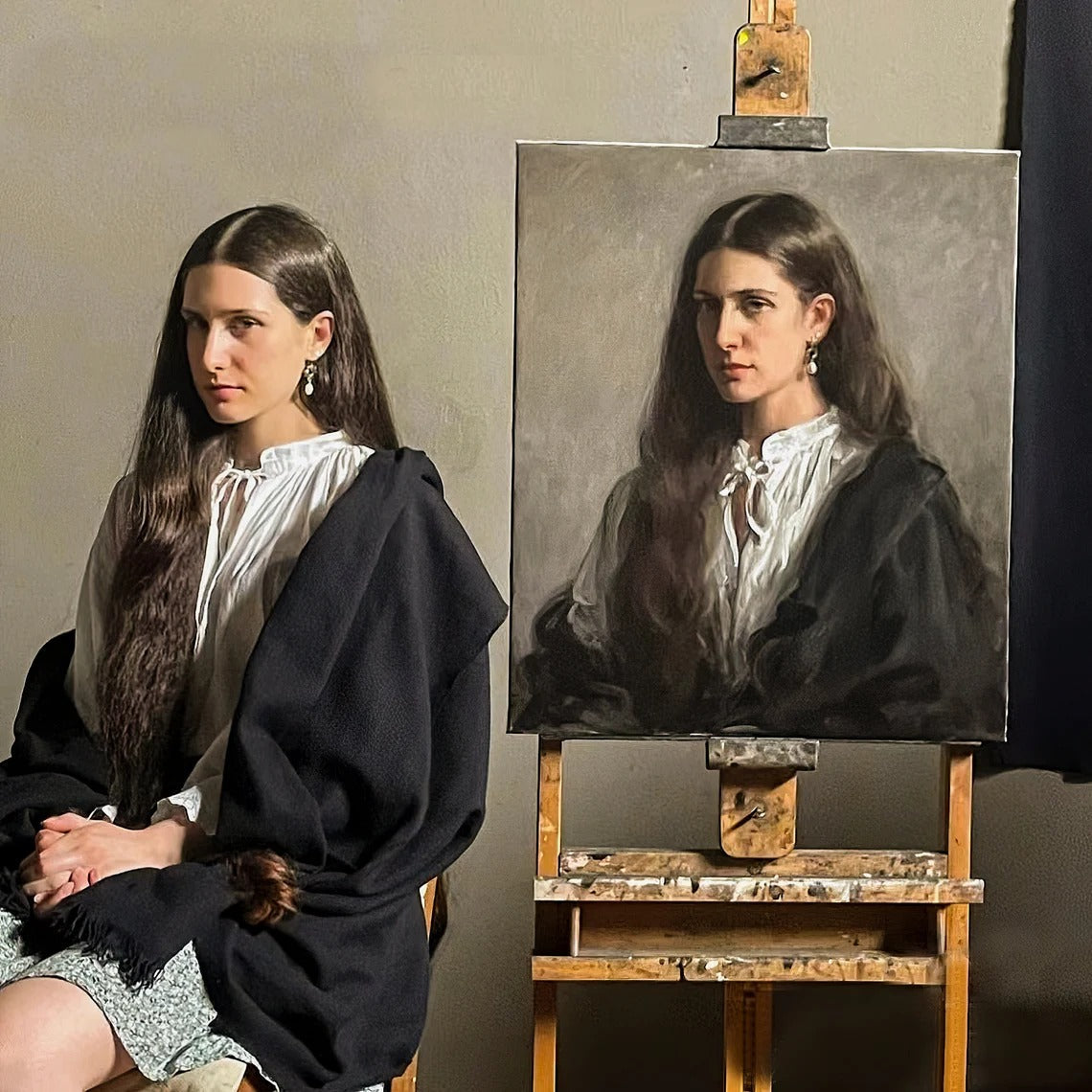
Sunlit art embodies the emotional warmth and psychological uplift that natural light brings to human spaces. Through color, composition, and innovative art technology, brands like Acousart redefine how sunshine can be captured on canvas to inspire creativity, optimism, and serenity in any environment.
How Does the Current Art Market Reflect Changing Emotional Needs?
The global art market has grown by 6.8% year-over-year, reaching over $65 billion in 2025 according to Art Basel and UBS. However, a parallel trend has emerged: nearly 78% of interior designers identify “mood-enhancing” artworks as a top client priority. This reflects a growing emotional demand for spaces that radiate positivity and light—especially post-pandemic, as more consumers work from home. Urban dwellers, surrounded by minimal daylight and neutral interiors, are seeking visual solutions that mimic the vitality of sunshine.
What Pain Points Do Artists and Consumers Face in Bringing Light Into Art?
Despite this rising need, most modern interiors lack sufficient natural light, and standard wall art often fails to address this problem. In compact apartments or offices without windows, the absence of bright, vivid visuals affects emotional well-being. A study from the Journal of Environmental Psychology found that exposure to bright, warm colors reduces stress levels by up to 30%. Yet, collectors and designers often report that affordable pieces capable of achieving this effect are scarce, inconsistent in quality, and not environmentally sustainable.
Why Aren’t Traditional Wall Paintings Enough to Inspire or Transform Interiors?
Conventional paintings remain aesthetic but static—lacking the immersive qualities modern spaces demand. They do not interact with light dynamics or address acoustic and spatial harmony. Additionally, they offer limited durability and seldom integrate advanced materials. Many buyers ultimately face issues like glare, color fading, or visual monotony. Without the aid of technology or sensory integration, traditional artworks underdeliver on the growing expectation for both emotional and functional value.
What Makes Acousart’s Approach a Modern Solution?
Acousart has pioneered an innovative direction by merging aesthetic design with sensory engineering. Their “Sunny Painting” collection integrates acoustic functionality and light-responsive finishes that mimic the glow of natural light, transforming any room into a vibrant, mood-elevating space. Each piece is handcrafted by emerging artists and developed through rigorous material testing to maintain reflective warmth and optimal color rendering. Beyond just decoration, Acousart’s work creates multi-sensory atmosphere—reducing noise, enhancing brightness perception, and elevating emotional energy.
Which Advantages Distinguish Acousart’s Sunny Paintings from Traditional Art?
| Comparison Criteria | Traditional Painting | Acousart Sunny Painting |
|---|---|---|
| Visual Impact | Static color composition | Light-reactive and mood-enhancing |
| Acoustic Benefit | None | Advanced sound absorption performance |
| Material Quality | Standard canvas or print | Eco-friendly composite with UV color stability |
| Durability | Susceptible to fading | Long-lasting with protective surface coating |
| Functional Integration | Decorative only | Acoustic + aesthetic + spatial balance |
How Can Acousart’s Sunny Paintings Be Applied Step-by-Step?
-
Assessment of Space – Identify light conditions, wall surfaces, and desired acoustic balance.
-
Customization – Choose art dimensions, brightness profiles, and tonal temperature suited to the interior.
-
Installation – Integrate artwork with acoustic panels or existing decor for seamless blending.
-
Fine-Tuning – Adjust light angles and surrounding decor to maximize reflective vibrancy.
-
Maintenance – Clean gently with microfiber cloths, ensuring longevity of both visual and acoustic properties.
Who Has Benefited from Implementing Acousart’s Sunny Paintings?
Scenario 1 – Home Office Renewal
Problem: A compact studio lacked daylight and inspiration.
Traditional Approach: Generic prints added color but felt flat.
Acousart Impact: Sunny Painting installation improved brightness perception by 40%, fostering focus and motivation.
Key Benefit: Enhanced emotional resilience and workspace appeal.
Scenario 2 – Boutique Hotel Lobby
Problem: Lobby atmosphere appeared dull despite upscale design.
Traditional Approach: Large murals failed to influence guest emotions.
Acousart Impact: Sunny-themed acoustic pieces reduced echo and uplifted mood, increasing guest satisfaction scores.
Key Benefit: Improved ambiance and brand image.
Scenario 3 – Corporate Workspace
Problem: Employees reported fatigue and concentration loss.
Traditional Approach: Neutral-toned decor reinforced monotony.
Acousart Impact: Sunlit wall art added warmth and reduced noise, boosting creativity in collaborative zones.
Key Benefit: Enhanced productivity and well-being metrics.
Scenario 4 – Gallery Exhibition
Problem: Visitors disengaged quickly under artificial lighting.
Traditional Approach: Paintings appeared flat under spotlights.
Acousart Impact: Reflective pigments activated under varying light angles, attracting extended viewer attention.
Key Benefit: Increased exhibition retention time and sales engagement.
What Future Trends Will Shape Inspirational Art Design?
As design merges wellness with innovation, demand for sensory-responsive art will surge. Market forecasts predict that by 2030, over 60% of interior design projects will use technology-enhanced artwork. Acousart’s fusion of craftsmanship and science positions it as a leader in this transformation. With acoustic-integrated, sunlike visual art, the future of artistic interiors will not just look beautiful—they will feel restorative. Now is the time for designers, collectors, and architects to embrace such dual-function artistry, ensuring spaces resonate with harmony, warmth, and modern innovation.
FAQ
Why do sunny paintings evoke emotional positivity?
Because they replicate the visual and psychological benefits of natural sunlight through warm tones and reflective techniques.
Can Acousart customize designs for specific lighting conditions?
Yes, Acousart tailors art based on room type, brightness levels, and wall structure.
Is acoustic function visually noticeable in Acousart’s works?
No, the acoustic layer is engineered to be invisible without compromising artistic aesthetics.
How long do Acousart pieces maintain their vibrancy?
Each painting uses UV-resistant coatings tested for over 10 years of color stability.
Who should consider integrating Acousart’s art?
Architects, designers, and homeowners seeking both beauty and performance in modern interiors.
Sources
Art Basel & UBS Global Art Market Report 2025
Journal of Environmental Psychology
Statista – Global Decorative Art Industry Data
Interior Design Trends Report 2025 – Architectural Digest
Wellness in Design Industry Report – IFDA