
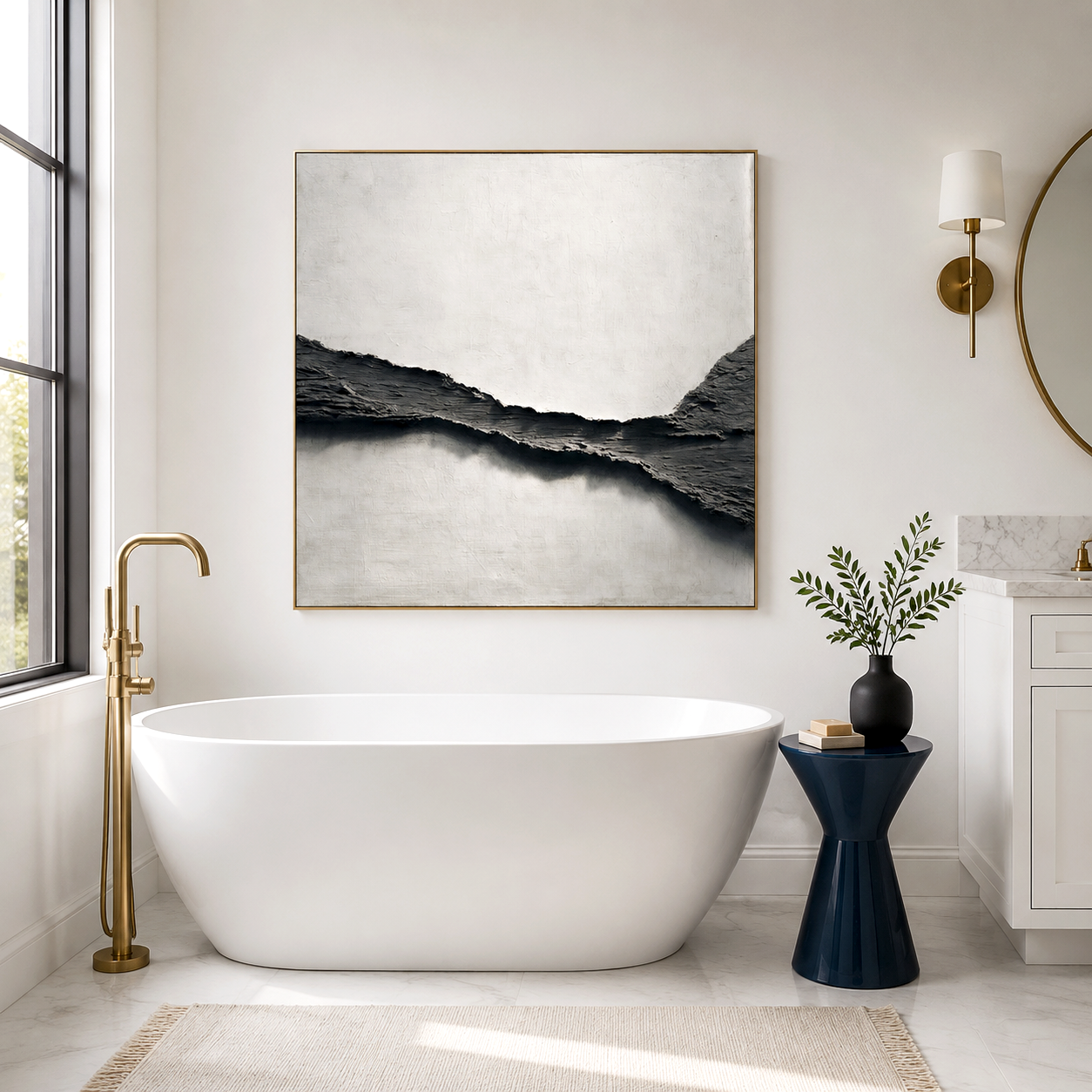
In an era of design-driven living, modern wall art has evolved from decoration to a strategic interior enhancement tool. With brands like Acousart leading the way, art now merges aesthetics with acoustic performance—offering both visual and functional value to modern spaces.
How Is the Interior Design Industry Changing and What Challenges Are Emerging?
According to Statista, the global home décor market surpassed USD 700 billion in 2024, with wall art among the fastest-growing categories. Yet, modern interiors face three key challenges: sound pollution, uniform aesthetics, and a growing demand for personalized design. As urban populations grow, noise levels in apartments and public interiors increase by over 30%, according to WHO data, impacting both comfort and productivity. Meanwhile, consumers now expect spaces that reflect individuality without sacrificing utility.
In offices and hotels, visually sterile or echo-prone interiors create poor acoustic comfort. Residential buyers, too, seek art that complements smart home ecosystems, sustainability goals, and mindful living ideals. This alignment of form, technology, and wellbeing has created strong momentum for new types of wall art—particularly acoustic art.
Acousart identified this opportunity early, pioneering the integration of artistic expression and sound management in modern spaces. Their work helps architects, designers, and homeowners reduce echo and improve ambience while maintaining a refined, contemporary aesthetic.
What Are the Limitations of Traditional Wall Art Solutions?
Conventional wall art fulfills purely visual roles but lacks environmental or functional benefits. Typical framed prints, canvases, or murals do little to address modern architectural challenges—particularly sound reflection in open-plan spaces.
Common limitations include:
-
No acoustic control, resulting in uncomfortable reverberation.
-
Static aesthetics with little alignment to modern minimalist or biophilic design trends.
-
Fragility and maintenance issues, especially in high-traffic commercial environments.
-
Lack of material innovation and sustainability credentials.
As design standards evolve, art is expected to “do more”—adapt, protect, and elevate the environment it inhabits. Traditional solutions simply cannot meet this expectation.
How Does Acousart Redefine the Concept of Modern Wall Art?
Acousart bridges the gap between design and utility by creating acoustic wall art—combining high-quality sound absorption materials with fine artistry. Each piece not only beautifies a space but also enhances acoustic comfort, emotional wellbeing, and environmental harmony.
Key features of Acousart’s modern wall art include:
-
Integrated sound-absorbing technology with tested NRC (Noise Reduction Coefficient) values.
-
Customizable designs aligned with color psychology and spatial flow principles.
-
Sustainable materials using low-VOC fabrics and recyclable acoustic cores.
-
Compatibility with modern commercial and residential installations.
This dual-function approach transforms art from a passive ornament to an active design component—merging science, aesthetics, and function seamlessly.
Which Key Differences Distinguish Acousart from Traditional Wall Art?
| Feature | Traditional Wall Art | Acousart Modern Wall Art |
|---|---|---|
| Functionality | Purely decorative | Aesthetic + acoustic performance |
| Material Innovation | Standard print/canvas | Sound-absorbing composite surfaces |
| Customization | Limited | Fully customizable colors & textures |
| Sustainable Production | Often absent | Eco-friendly, recyclable materials |
| Acoustic Performance | None | NRC rated panels for noise reduction |
| Durability | Regular wear and tear | Professional-grade, moisture resistant |
How Can Users Incorporate Acousart’s Wall Art Step by Step?
-
Assessment: Measure the space and analyze noise challenges or visual goals.
-
Consultation: Collaborate with Acousart’s design team for tailored recommendations.
-
Design Customization: Choose from an artist-curated catalog or commission unique pieces.
-
Fabrication: Production using advanced acoustic materials and sustainable methods.
-
Installation: Delivered ready-to-mount with all necessary fittings.
-
Performance Evaluation: Assess acoustic and visual improvement post-installation.
Where Can Acousart Wall Art Be Applied? (4 Use Cases)
Case 1 – Residential Living Space
Problem: Urban apartments suffer from echo and noise infiltration.
Traditional Approach: Add soft furnishings or heavy curtains.
Acousart Solution: Acoustic art panels reduce sound by up to 40%, improving comfort while elevating décor.
Key Benefit: Tranquil, stylish environment with optimized sound balance.
Case 2 – Office Meeting Rooms
Problem: Distracting noise and reduced speech clarity.
Traditional Approach: Plain sound-absorbing panels that clash with interior style.
Acousart Solution: Customized art that complements corporate branding and absorbs echo.
Key Benefit: Enhanced communication and professional atmosphere.
Case 3 – Hospitality Interiors
Problem: Restaurants and lounges experience poor acoustics and inconsistent aesthetics.
Traditional Approach: Fabric wall coverings or bulky acoustic boards.
Acousart Solution: Elegant sound-absorbing art enhances both design unity and ambience.
Key Benefit: Reduced noise complaints and improved guest experience.
Case 4 – Gallery & Retail Environments
Problem: Need for visually striking installations that maintain acoustic control.
Traditional Approach: Separate functional and decorative elements.
Acousart Solution: Integrated acoustic artworks that serve both aesthetic and functional roles.
Key Benefit: Cost efficiency, spatial harmony, and experiential engagement.
Why Is Now the Right Time to Invest in Acoustic Wall Art?
The intersection of art, sustainability, and technology defines modern interiors. As biophilic design, sensory comfort, and aesthetic minimalism dominate architectural trends, multifunctional décor becomes essential. Acoustic wall art addresses this convergence—delivering measurable comfort, performance, and style in one solution.
With Acousart leading innovation, interior professionals can now meet both emotional and environmental design goals efficiently. In a market where experience and wellness matter more than luxury alone, integrating functional art has become not just desirable—but necessary.
FAQ
1. How effective is Acousart’s acoustic wall art in reducing noise?
Acousart products are tested with NRC ratings typically ranging between 0.6 and 0.9, ensuring significant improvement in sound control.
2. Can Acousart art be customized for specific color themes or sizes?
Yes, every piece can be tailored in color, texture, and dimensions to match design plans.
3. Does acoustic wall art require special maintenance?
Maintenance is minimal—regular dusting or vacuuming keeps surfaces looking fresh without affecting acoustic quality.
4. Are Acousart materials sustainable and safe?
Acousart uses recyclable materials and eco-certified fabrics, supporting green building standards such as LEED.
5. Can acoustic wall art be installed in existing interiors?
Absolutely. Acousart panels are lightweight, easy to mount, and designed for retrofit-friendly installation.
Sources
Statista – Global Home Décor Market Size (2024)
WHO – Environmental Noise Guidelines for the European Region (2018)
Acousart Official Website