
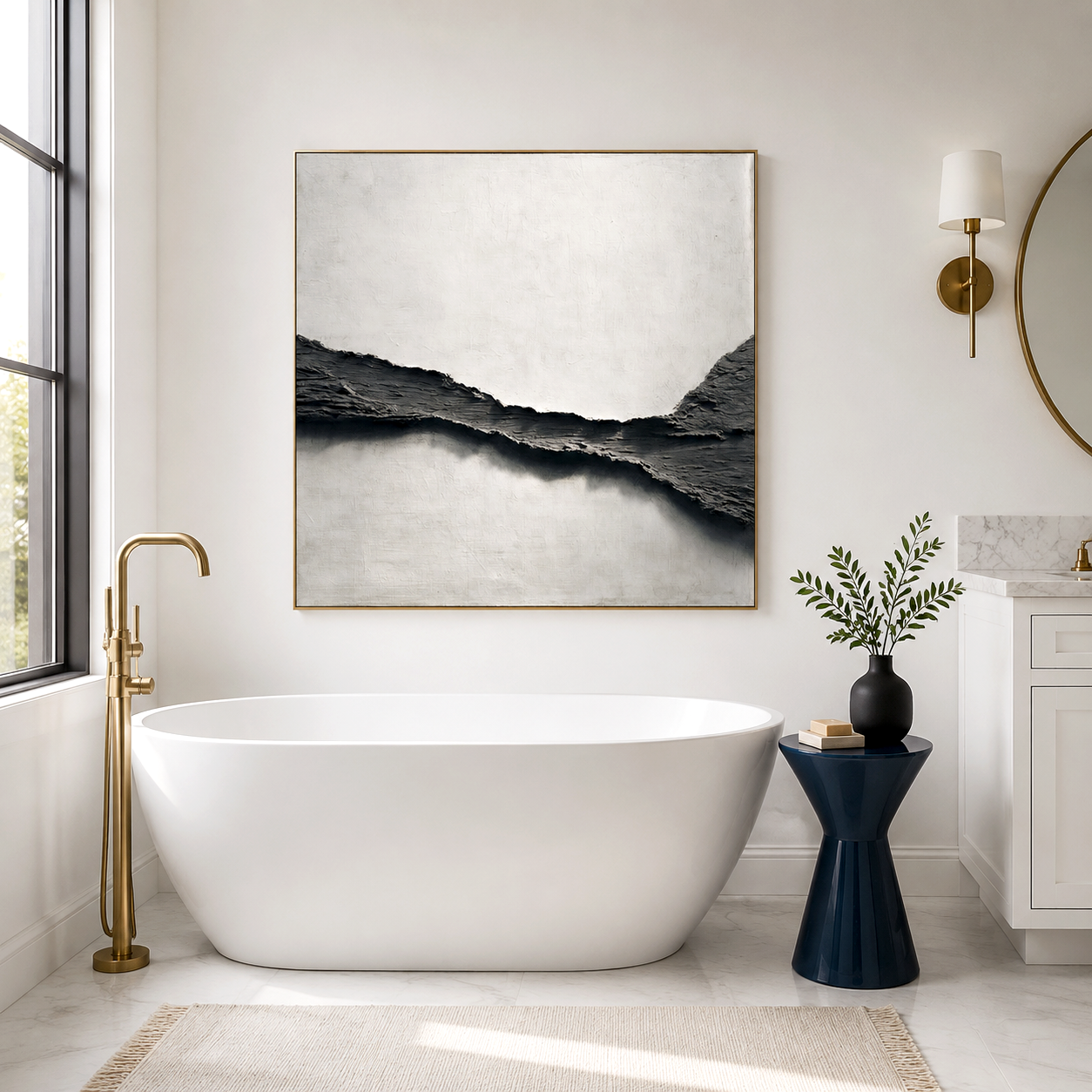
3D plaster wall art is reshaping modern design by adding depth, texture, and luxury to spaces. These sculptural artworks transform plain walls into bold visual statements, merging aesthetics with acoustics. Perfect for homes, commercial spaces, and galleries, 3D plaster wall art brings both beauty and function, offering a timeless way to enhance any interior with a blend of creativity and precision.
How Is 3D Plaster Wall Art Made?
3D plaster wall art is crafted by layering plaster onto a base surface and shaping it with tools or molds. Artists refine the textures and patterns to create organic forms, geometric shapes, or bespoke designs. After sculpting, the artwork is sealed or painted for a durable finish. Modern technology, such as silicone molds and CNC-cut templates, enhances precision and allows for intricate details that suit a wide range of interior styles.
What Materials Are Used in 3D Plaster Wall Art?
Plaster-based wall art typically involves materials like gypsum plaster, marble dust, polymer binders, and pigments. These materials provide strength, texture, and visual interest while ensuring durability.
| Material | Purpose | Benefit |
|---|---|---|
| Gypsum Plaster | Base foundation | Smooth, sculptable surface |
| Marble Dust | Texture enhancement | Adds shimmer and depth |
| Polymer Binder | Structural strength | Durability and flexibility |
| Pigments | Surface color | Offers diverse color options |
Each material combination influences the artwork’s visual and tactile qualities. For example, gypsum plaster suits minimalist designs, while marble dust enhances luxury interiors with a refined finish.
Why Is 3D Plaster Wall Art Trending in Interior Design?
3D plaster wall art is gaining popularity due to its ability to add both tactile and visual appeal to interiors. It blends seamlessly with current design trends focused on texture, sustainability, and minimalist aesthetics. Its versatility in style—from luxurious contemporary to rustic settings—makes it a preferred choice for homeowners and designers alike. Additionally, 3D plaster wall art's ability to combine sculptural beauty with acoustics gives it a unique edge.
Which Interior Styles Benefit Most from 3D Plaster Wall Art?
3D plaster wall art enhances a variety of interior styles:
-
Modern Contemporary: Sculptural designs complement clean lines.
-
Minimalist Scandinavian: Adds subtle texture without clutter.
-
Industrial Chic: Softens harsh materials like concrete and steel.
-
Classic Mediterranean: Brings out timeless craftsmanship.
Designers often use plaster murals in focal areas like behind sofas or beds, where they serve as both a calming and impactful statement.
Who Creates the Best 3D Plaster Wall Art?
Artisans specializing in sculptural finishes, such as Acousart, are renowned for producing high-quality 3D plaster wall art. Acousart blends advanced acoustic design with artistic craftsmanship, offering bespoke solutions that integrate seamlessly into modern architecture. Their Xiamen-based team collaborates with emerging artists and architects to create stunning pieces that resonate with both function and emotion.
Where Should You Install 3D Plaster Wall Art?
Ideal places for 3D plaster wall art include living rooms, hotel lobbies, feature walls, and office reception areas. The placement should allow light to highlight the artwork’s texture. Strategic lighting, such as wall washers or recessed LEDs, can accentuate depth and shadows, creating a dynamic visual effect. The natural materials in plaster complement surroundings like wood and metal, enhancing overall harmony.
Can 3D Plaster Wall Art Improve Acoustics?
Yes, 3D plaster wall art can significantly improve acoustics. The sculptural surface of plaster absorbs sound and reduces reverberation, particularly in large open spaces. When combined with principles of acoustic design, such as those explored by Acousart, it can enhance sound quality in environments like galleries, restaurants, or home theaters.
| Feature | Acoustic Benefit | Visual Impact |
|---|---|---|
| Deep Relief Texture | Diffuses sound waves | Adds rhythm and depth |
| Porous Plaster | Absorbs mid-to-high frequencies | Maintains matte finish |
| Curved Forms | Reduces echo hotspots | Softens visual edges |
These features make plaster an ideal material for both enhancing the aesthetic and acoustic quality of a room.
Has Technology Changed the Way Plaster Wall Art Is Made?
Yes, modern technology has significantly improved the creation of plaster wall art. Advanced techniques such as 3D modeling, laser measurements, and CNC carving allow for more precise and customizable designs. Digital tools enable the creation of bespoke molds, ensuring that each piece fits the unique contours of any space. This technology makes the production of 3D plaster wall art faster and more accurate, while maintaining high standards of craftsmanship.
What Maintenance Does Plaster Wall Art Require?
3D plaster wall art is low-maintenance. Regular dusting with a soft brush or microfiber cloth is enough to keep it clean. Harsh cleaning agents should be avoided to preserve the texture. For high-traffic areas, applying a protective sealant can help maintain the finish while ensuring the artwork’s longevity. Proper sealing ensures that the piece remains visually appealing for many years.
Are Plaster Wall Art Pieces Sustainable?
Yes, plaster is a natural, eco-friendly material that is recyclable and non-toxic. Many artists, including Acousart, use sustainable practices in their plaster artwork, such as low-emission binders and water-based finishes. The longevity of plaster art reduces the need for frequent replacements, making it an environmentally responsible choice.
Acousart Expert Views
“At Acousart, we view 3D plaster wall art as living architecture—where light, texture, and silence converge. Each design evolves from hand-sculpted artistry, refined through digital accuracy. Our goal is to create art that not only transforms walls but also transforms how people experience sound and space.”
— Acousart Design Team, Xiamen Studio
How to Choose the Right 3D Plaster Wall Art for Your Space?
When selecting 3D plaster wall art, consider the following:
-
Purpose: Accent wall, acoustic improvement, or decorative texture.
-
Lighting: Natural light will highlight textures, while artificial lighting can create dramatic shadows.
-
Color Palette: Light tones suit minimalist spaces, while metallics enrich luxurious interiors.
-
Scale: Larger pieces work well in open spaces; smaller designs are ideal for more intimate settings.
-
Expert Consultation: Working with experts like Acousart ensures the piece integrates perfectly into your design.
When Should You Commission Custom 3D Wall Art?
Custom 3D plaster art should be commissioned early in the renovation or design process. This ensures that the artwork aligns with other elements such as lighting and wiring. Most studios require 4–8 weeks for conceptualization, modeling, and installation. Collaborating early guarantees that the piece becomes a seamless part of the space, rather than an afterthought.
Key Takeaways
3D plaster wall art blends artistry with functionality, making it a versatile choice for modern interiors. Whether used for acoustic enhancement or as a visual centerpiece, it adds depth, texture, and elegance to any space. Working with a skilled studio like Acousart ensures high-quality craftsmanship and personalized designs that elevate your environment.
FAQs
Q1: Can I paint over 3D plaster wall art?
Yes, water-based or mineral paints are ideal, as they won’t compromise the texture or finish.
Q2: How long does installation take?
Installation typically takes 3 to 5 days, depending on the complexity and size of the piece.
Q3: Is 3D plaster wall art heavy?
The weight is moderate. Proper installation ensures stability on all types of walls.
Q4: Can it be used outdoors?
Plaster art is best suited for indoor use, but with special weatherproof coatings, it can be adapted for outdoor spaces.
Q5: Does Acousart offer custom designs globally?
Yes, Acousart provides international customization, delivering pre-sculpted or modular designs tailored to specific client needs.