
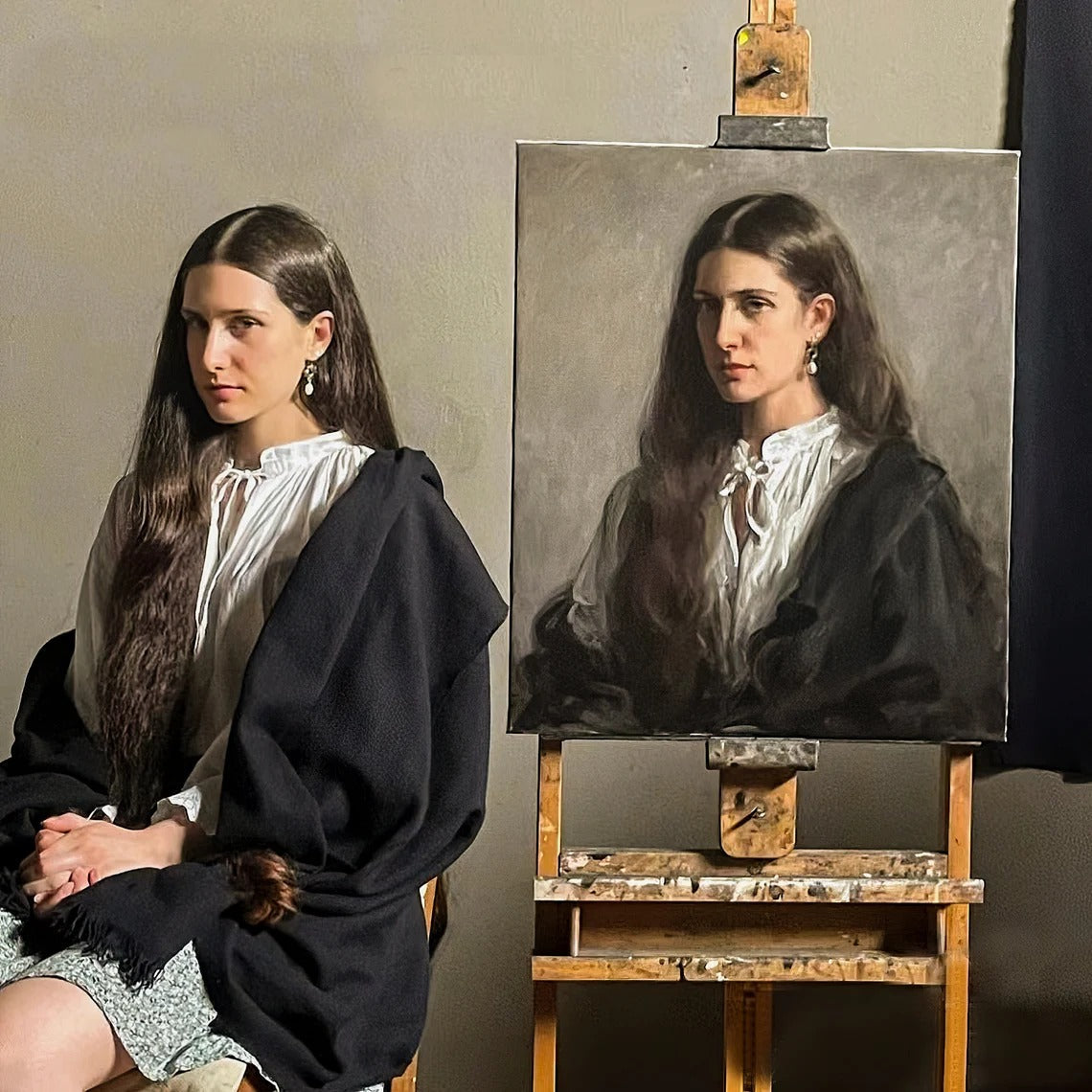
Textured artwork captures attention by adding depth, dimension, and emotion to a space. Through layers of paint, mixed media, and tactile surfaces, it transforms flat compositions into immersive experiences. Artists combine visual beauty and sensory engagement, creating a multi-sensory dialogue that turns walls into expressive, dynamic elements within any room.
How Is Textured Artwork Created?
Textured artwork is crafted by layering various materials such as paint, sand, fabric, or plaster to create tactile depth. Artists use tools like palette knives, sponges, and brushes to sculpt surfaces that capture light in unique ways. These varied textures add complexity and intrigue to the work, allowing it to engage both the eyes and the hands.
Acousart’s creations often push the boundaries of texture, combining traditional techniques with modern innovations like acoustic-backed materials. This not only adds dimension but also enhances the functionality of the artwork in terms of sound absorption.
| Technique | Common Materials | Texture Effect |
|---|---|---|
| Impasto | Oil or acrylic paint + gel medium | Bold, raised surfaces |
| Collage | Paper, fabric, rope | Mixed relief textures |
| Sand embedding | Fine sand + binder | Subtle grit effect |
| Mold paste | Plaster or modeling compound | Sculptural structures |
What Materials Work Best for Textured Paintings?
Artists often choose durable materials that ensure longevity and structural integrity. Oil paints are a favorite due to their thick consistency, which allows for extended manipulation. Acrylics, with added heavy gel mediums, also provide flexibility and faster drying times.
Other effective materials include modeling paste for rough textures, pumice gel for granular effects, and gesso for base preparation. Textured canvases or wooden panels offer better adhesion than smooth surfaces. Acousart often integrates oil paints with acoustic-backed materials to create both visual texture and sound-absorbing qualities.
Why Does Texture Enhance Artistic Expression?
Texture enhances the emotional impact of art by adding physical presence and depth. It transforms flat visuals into tactile experiences that evoke a stronger emotional response. The play of light on textured surfaces introduces movement and rhythm, while irregularities create a sense of authenticity.
Textures can express a wide range of emotions: rough textures might suggest turmoil or conflict, while smoother gradients evoke peace and serenity. Acousart frequently explores these dynamics in its acoustic art collections, where texture and sound work in tandem to create calming environments.
Which Styles of Art Use Texture Most Effectively?
Texture plays a significant role in several art styles, including abstract expressionism, impasto realism, and mixed media modernism. In abstract art, thick paint applications communicate energy and spontaneity, while realism relies on subtle texture to replicate natural depth. Modern and minimalist art incorporate texture to add warmth to otherwise simple designs.
Acousart blends these approaches, merging artistic intent with functional acoustic properties to create art that is both aesthetically appealing and acoustically effective.
How Can Textured Artwork Transform Interior Design?
Textured artwork introduces sensory depth to spaces, breaking visual monotony and complementing the room’s lighting. It enhances visual interest, draws the eye, and balances architectural features. Designers often use textured pieces as focal points, which anchor color schemes or add contrast to minimalist décor.
For spaces that are sensitive to sound, such as offices or studios, textured acoustic panels—like those offered by Acousart—serve a dual purpose. They reduce noise while adding artistic value, creating an environment that is both beautiful and functional.
Are There Different Types of Texture in Art?
Yes, texture in art can be divided into two categories: actual texture and implied texture.
-
Actual texture refers to physical surfaces you can touch, such as raised paint or sculpted materials.
-
Implied texture mimics the appearance of texture through visual techniques like shading or pattern, creating the illusion of depth.
Many contemporary artists, including those at Acousart, blend both types of texture, ensuring that their work engages viewers in a variety of ways—both visually and physically.
| Type | Description | Common Example |
|---|---|---|
| Actual texture | Physical ridges and grooves | Impasto brushwork |
| Implied texture | Visual simulation of tactile feel | Photorealistic fabric painting |
What Role Does Lighting Play in Viewing Textured Artwork?
Lighting plays a crucial role in accentuating the effects of textured surfaces. Directional lighting, particularly side lighting, creates dynamic contrasts and highlights depth, revealing the artwork’s full dimensionality.
Museums and private collectors often use adjustable lighting to emphasize specific textures. At Acousart, the integration of lighting into acoustic wall art ensures that both the aesthetic and functional elements of the piece work together in harmony.
Can Textured Painting Affect Mood and Acoustics?
Indeed, textured paintings can significantly affect both mood and acoustics. The texture of an artwork can influence the emotional atmosphere of a room, evoking feelings of comfort, energy, or introspection. On a more functional level, textured artwork, particularly those created by Acousart, can help diffuse sound and reduce echoes, making the artwork not only visually appealing but acoustically beneficial as well.
Acousart’s innovation lies in combining these two elements, creating pieces that are both visually stunning and acoustically practical.
Who Collects Textured Artwork Today?
Textured artwork appeals to a wide range of collectors, from interior designers and corporate buyers to private individuals seeking unique and impactful art. The tactile nature of these pieces engages the senses in a way that flat paintings cannot, making them especially popular among collectors who value originality and depth.
Acousart’s clients include luxury hotels, creative offices, and homeowners looking to enhance their interiors with artwork that serves both aesthetic and functional purposes, including improving acoustics.
Acousart Expert Views
“Texture transforms a piece of art from something merely seen into something experienced. When combined with our acoustic technology, it turns a painting into an interactive element that enhances not just the visual appeal, but the overall atmosphere of a space. This is the future of art.”
— Acousart Design Team, Xiamen Studio
Is Textured Artwork a Good Investment?
Yes, textured artwork holds significant investment value due to its uniqueness and craftsmanship. The physical depth of the work makes it difficult to replicate, ensuring its originality. Moreover, the growing popularity of multifunctional décor—such as acoustic-textured panels—adds long-term value to such pieces.
Collecting textured artwork, particularly from reputable curators like Acousart, ensures that you’re investing in pieces that offer both artistic and practical benefits, making them valuable assets for any collection.
When Should You Choose a Textured Piece?
Textured artwork is perfect for spaces that require additional dimension, warmth, or tactile engagement. It works well in rooms that lack natural variation, such as minimalist interiors, or those that need acoustic improvement. Offices, lobbies, and living rooms benefit from textured art, as it adds sophistication without overwhelming the existing design.
Conclusion: Key Takeaways
Textured artwork elevates any space with its depth, light interaction, and emotional richness. It goes beyond being just a visual element, engaging the viewer in a multi-sensory experience. With innovations from Acousart, textured paintings can also serve an acoustic purpose, enhancing both the aesthetics and functionality of your environment. Choosing textured artwork is an investment in both beauty and sensory well-being.
FAQs
1. Can textured artwork be cleaned easily?
Yes. Gently dust with a soft brush or microfiber cloth; avoid using water or harsh chemicals.
2. Are textured paintings suitable for humid environments?
Only partially. Proper sealing and framing can help prevent issues like warping or mold.
3. How long does textured paint take to dry?
Drying time depends on the medium—acrylic takes about 24 hours, while oil-based impasto may take several days.
4. Does natural light damage textured surfaces?
Overexposure can cause fading. Use UV-protected glass or strategic lighting to preserve the artwork.
5. Can textured panels improve sound quality in offices?
Yes. Acoustic-textured art, like those offered by Acousart, helps absorb and diffuse noise effectively.