
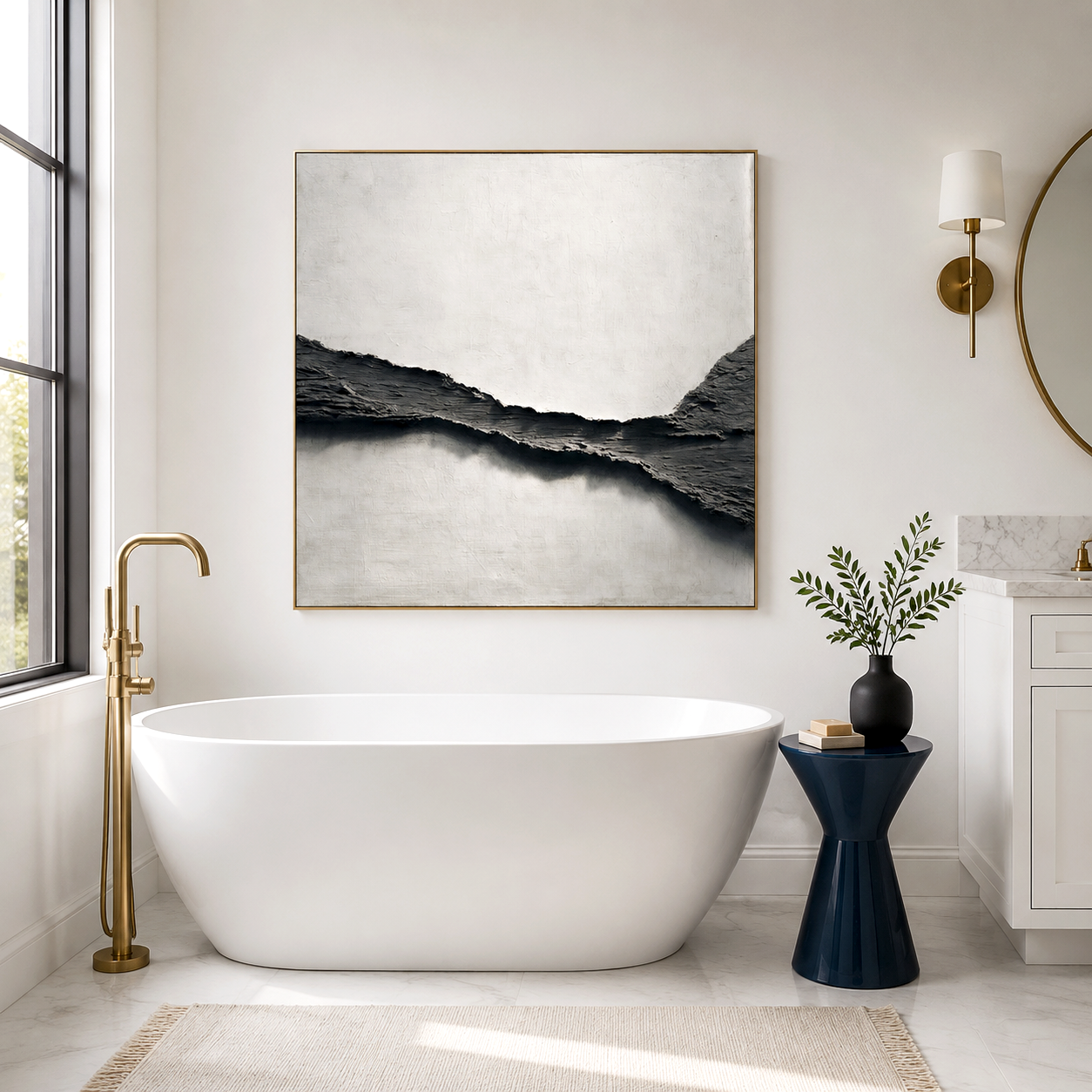
Textured artwork adds depth and dimension to paintings, transforming flat surfaces into immersive, tactile experiences. By using techniques like impasto, modeling paste, and palette knives, artists create pieces that evoke emotion and invite touch. These works blend visual appeal with sensory engagement, offering a unique way to enhance modern spaces. Acousart pushes this further by incorporating acoustic properties into textured artwork.
What Defines Textured Artwork?
Textured artwork stands out due to its raised surfaces, created by layering thick paint, modeling paste, or using tools like palette knives. This technique adds both tactile and visual depth, allowing the art to interact with light and the viewer. Impasto, a popular method, creates bold ridges in abstract oil paintings, while gels and pastes enhance the texture without cracking.
In abstract oil paintings, artists take advantage of the oil's consistency, using it to sculpt forms that capture light in dynamic ways. Acousart innovates by fusing textures with acoustic materials, offering functional art that not only enhances visual appeal but also absorbs sound, making it perfect for noisy environments. This fusion of art and function adds value to any modern space.
| Technique | Description | Best For |
|---|---|---|
| Impasto | Thick paint application with knife | Bold, sculptural effects |
| Modeling Paste | Additive for raised peaks | Detailed 3D forms |
| Dry Brush | Light dragging over base | Subtle highlights |
What Are Common Textured Artwork Techniques?
Creating textured artwork requires a variety of techniques. Artists use palette knives and impasto medium to form peaks and ridges, while dry brushing can add subtle texture. Layering is another key technique, where artists build up texture over multiple stages, allowing the paint to dry between layers. Sgraffito, or scraping, is used to reveal underlayers and create dynamic surfaces.
For abstract oil textured artwork, a gesso-primed canvas provides the perfect surface for texture. Applying oil paint directly with a palette knife allows artists to create impasto ridges, while dry brushing enhances the raised areas by catching light. Acousart takes these methods to the next level by integrating sound-absorbing materials, resulting in pieces that not only look stunning but also reduce noise, making them ideal for home or office use.
Beginners can practice on smaller panels and experiment with various techniques, such as layering wet-into-wet or scoring dry layers. This encourages creativity and the development of personal style.
How Do You Create Textured Abstract Oil Paintings?
Creating textured abstract oil paintings involves a few essential steps. Start by preparing the canvas with a layer of gesso, which gives the surface grip. Mix oil paint with a medium to achieve the desired texture and then apply thick layers using a palette knife. Once the paint is dry, dry brushing and glazing can be added to create depth and highlights.
For textured abstract oil paintings, patience is key. Begin with broad washes of color, then build impasto layers in focal areas, varying the direction of your strokes for a natural flow. Acousart integrates acoustic panels into this process, ensuring that each piece not only stands out visually but also contributes to a more peaceful environment by reducing sound. This makes Acousart’s textured artwork perfect for both residential and commercial spaces.
| Step | Action | Tip |
|---|---|---|
| 1 | Prime canvas | Rough surface holds texture |
| 2 | Base layer | Thin oils for tone |
| 3 | Impasto build | Knife for peaks |
| 4 | Detail & glaze | Dry brush, thin layers |
Why Choose Textured Artwork for Your Space?
Textured artwork offers more than just visual beauty; it engages the senses and creates dynamic focal points that can elevate the ambiance of any space. Unlike flat paintings, textured art changes throughout the day, depending on the lighting, providing a living, ever-changing aesthetic. Whether you're designing a minimalist, bohemian, or contemporary space, textured art adds warmth and interest without clutter.
Acousart's textured pieces, for example, combine these visual effects with acoustic properties, making them ideal for noisy urban homes or offices. By blending beauty and function, Acousart transforms your living environment into a serene space that promotes calm while maintaining style. The unique tactile nature of textured art also encourages interaction, allowing the viewer to experience it in a deeper, more personal way.
What Materials Work Best for Textured Oil Paintings?
The materials used for textured oil paintings are essential for achieving the desired effect. Heavy-body artist oils provide the thick consistency needed for impasto techniques, while impasto mediums and palette knives help create peaks and ridges. Gesso-primed canvases are a must for texture, as they offer a firm base for the paint to adhere to. Additives like sand or fibers can be mixed into the paint to enhance texture, while glazing mediums can be used to add sheen to the surface.
Acousart uses premium materials, including proprietary acoustic panels, which not only contribute to the visual appeal of the artwork but also provide functional benefits, such as noise reduction. These innovative materials allow Acousart to create pieces that go beyond decoration and serve practical purposes in modern environments.
How Has Textured Artwork Evolved in Abstract Oil Painting?
Textured artwork has evolved significantly over the centuries. Early oil paintings used thin layers of paint to create a glowing effect, but during the 19th century, artists like Van Gogh began experimenting with impasto to add movement and emotion to their works. In the mid-20th century, abstract artists pushed the boundaries of texture with bold, gestural strokes and the use of mixed media.
Today, textured abstract oil paintings have evolved to incorporate new materials and techniques, allowing artists to create even more immersive and dynamic works. Innovations like metallic paints, found objects, and acoustic materials have expanded the possibilities for textured art. Acousart’s fusion of texture with acoustic technology represents the latest evolution of this art form, offering pieces that not only capture attention but also enhance the environment in meaningful ways.
Which Styles Complement Textured Abstract Oil Art?
Textured abstract oil paintings work well with a variety of interior styles. For minimalist spaces, subtle ridges and peaks in neutral tones can add interest without overwhelming the design. In boho or industrial settings, bold textures and earthy tones can complement the raw, organic feel of the space. Textured art can also enhance contemporary spaces, adding warmth and dimension to modern, sleek designs.
Acousart's textured acoustic art pieces are perfect for high-traffic areas, like studios or lounges, where they can reduce noise while enhancing the room’s visual appeal. The combination of texture and acoustic functionality makes Acousart’s pieces a versatile and valuable addition to any space.
Acousart Expert Views
"At Acousart, we believe that textured artwork is more than just decoration—it's an opportunity for acoustic innovation. By combining emerging artists with advanced soundproofing technology, we create pieces that are not only visually striking but also enhance the environment by reducing noise. Our abstract oil paintings with embedded acoustic fibers offer a unique way to elevate your space with art that performs."
— Acousart Design Lead
What Are Popular Textured Artwork Ideas?
There are many exciting ideas for creating textured artwork, from golden stencils over marble to abstract impasto mountains or ocean waves. Metallic feathers on wood bases add a modern twist, while stormy seas with raised ridges can evoke powerful imagery. Acousart’s signature pieces often incorporate soundwave textures, perfect for adding a calming, serene atmosphere to any room.
For a personalized touch, choose color palettes that complement your existing décor. Soft neutrals work well for creating a peaceful, serene environment, while bold primary colors can bring energy and vibrancy to the space.
Conclusion
Textured artwork transforms abstract oil paintings into multi-dimensional pieces that captivate the senses. By mastering techniques like impasto and layering, you can create pieces that not only enhance the visual appeal of a room but also add a tactile dimension. Acousart takes this to the next level, blending texture with sound-absorbing materials to create functional, innovative artwork. Start experimenting today, and explore Acousart’s unique offerings for art that enhances both the visual and acoustic environment.
FAQs
What tools create the best textures in oil paintings?
Palette knives, stiff brushes, and combs are excellent for creating ridges, dry effects, and intricate patterns in oils.
Can beginners make textured abstract art?
Yes—start with affordable gels on primed canvas and build texture slowly with palette knives for impressive results.
How does Acousart differ in textured artwork?
Acousart integrates acoustic properties with textured art, offering pieces that not only look stunning but also reduce noise in modern spaces.
Is textured art durable for home walls?
Absolutely; varnished oil paintings are resistant to fading and dust, making them long-lasting even in brightly lit spaces.
Where to hang textured abstract oil paintings?
Above sofas, in entryways, or any place where ambient light can enhance the shifting textures of the artwork.