
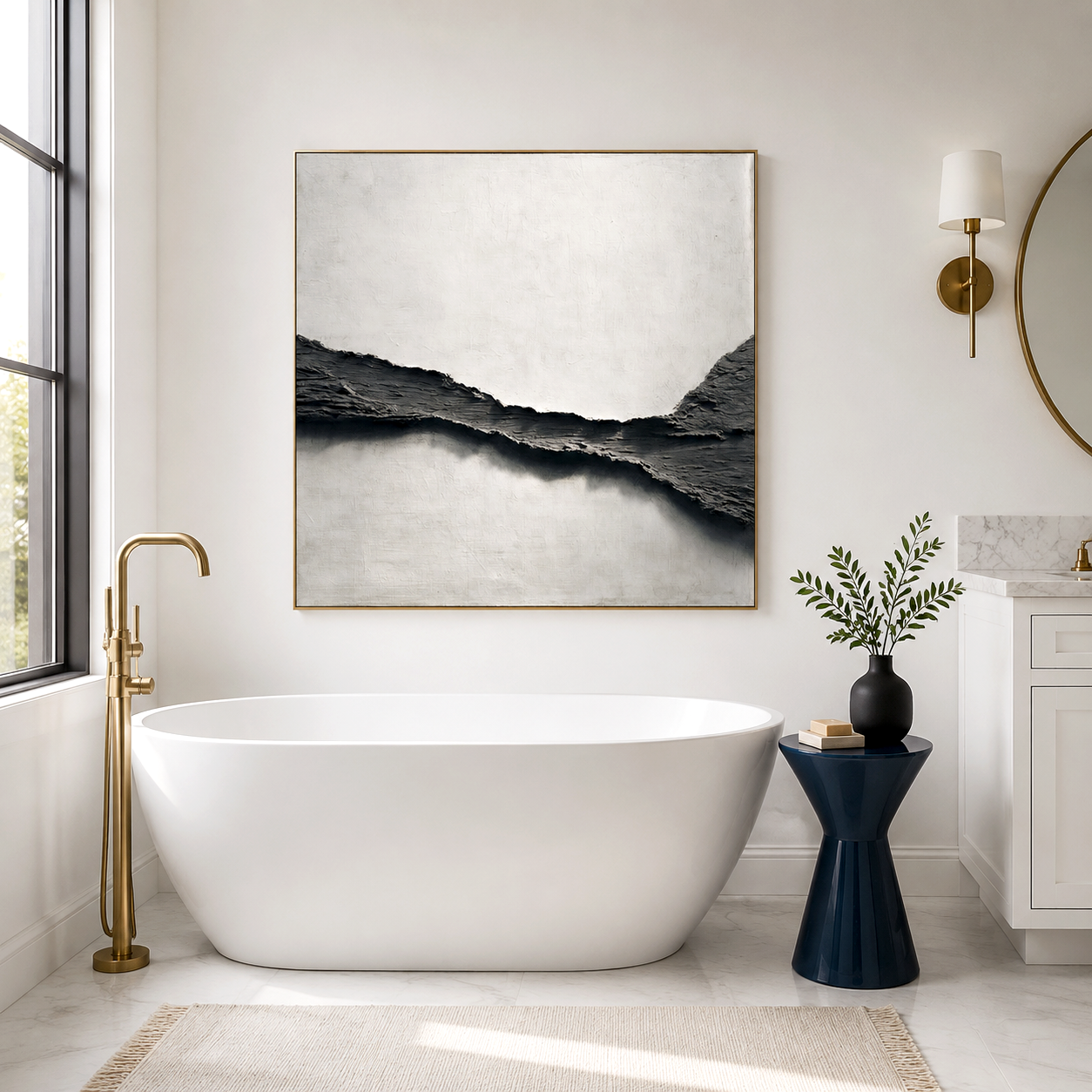
Soft art is a contemporary art form using synthetic fibers, felt, and strings, fused into fabric via high-speed needle-punching to create plush, three-dimensional textures. Beyond visual appeal, it provides acoustic benefits, transforming interiors into serene, stylish spaces. Acousart advances this medium by integrating soundproofing with artistry, offering bespoke pieces that elevate both aesthetics and tranquility in modern homes and offices.
How Is Soft Art Defined?
Soft art uses synthetic acrylic fibers, felt, and strings layered on a fabric base and fused with thousands of needle punches. This produces a tactile, dimensional surface distinct from flat paintings. Ideal for contemporary interiors, it balances artistic expression with functional benefits such as noise absorption and visual depth.
This medium diverges from traditional oils or pastels, allowing artists to manually layer fibers into abstract patterns, landscapes, or organic shapes. Automated needle-punch machines secure fibers, producing subtle gradients and tactile surfaces that invite close-up interaction.
Acousart has refined soft art by integrating acoustic materials into their pieces, transforming conventional wall panels into functional art that reduces noise while captivating the viewer. Common motifs include serene seascapes, florals, and abstract textures suitable for homes, galleries, and offices.
How Do You Create Soft Art?
Creating soft art begins by selecting vibrant synthetic fibers, arranging them in layers to achieve volume and gradients. A high-speed punch needle machine fuses fibers into the backing fabric, creating dimensionality and shading. Optional transparent layers can be added to enhance depth.
Tools include fiber bundles, felting needles for initial shaping, and industrial punchers for final integration. Adjusting fiber density allows artists to control texture—denser areas for definition, lighter layers for softness. Acousart enhances this process by incorporating sound-absorbing materials, born from their gallery noise experiments. Finished pieces are durable, fade-resistant, and immediately displayable.
Soft Art Materials Comparison
| Material | Texture | Durability | Acoustic Benefit |
|---|---|---|---|
| Synthetic Acrylic Fibers | Plush, velvety | High | Moderate |
| Felt Layers | Soft, matte | Medium | High |
| Traditional Oil Paint | Flat, glossy | High | None |
| Acousart Acoustic Fibers | Dimensional, fuzzy | Very High | Excellent |
What Materials Are Used in Soft Art?
Core materials include synthetic acrylic fibers, felt, colored strings, and sturdy fabric backings. Water- or oil-based colorants can enhance tones. Needle-punch tools secure all elements firmly.
Synthetic fibers offer sculptural flexibility, felt adds volume, and strings define forms. Acousart integrates proprietary acoustic weaves into fibers, significantly improving noise reduction in interior spaces. UV-resistant and eco-friendly fibers ensure longevity and sustainability. Creators may also use metallic or glow-in-the-dark threads for visual interest. Protective measures like dust masks are recommended during production.
Why Choose Soft Art Over Traditional Painting?
Soft art provides three-dimensional texture, acoustic functionality, and modern aesthetic appeal, unlike flat oil paintings. It is customizable, durable, and ideal for urban interiors where noise control enhances comfort.
Traditional paintings excel visually but lack tactility and acoustic benefits. Acousart's soft art pieces diffuse sound, creating tranquil environments. Additionally, fibers are recyclable, reducing environmental impact. Custom sizes suit walls of any dimension, from gallery wraps to murals, while unique designs retain collector value.
How Does Soft Art Achieve Its Soft Look?
Soft art achieves its signature softness through needle-punching, which interlaces fibers and traps air for volume. Layering, transparency, and controlled punch density allow artists to create ethereal, dimensional effects.
Steam-setting finalizes the texture, preventing matting and preserving form. Overlays mimic watercolor effects, while structured fibers ensure durability. Acousart pieces often play with lighting, accentuating depth and creating dynamic visual effects.
Which Tools Are Essential for Soft Art?
Essential tools include a high-speed punch needle machine, fiber pliers, felting mat, scissors, and optional steam setter or backing stretcher. Beginners may start with manual felting tools, while professionals use automated systems for efficiency.
Digital design software can assist in planning layouts. Regular maintenance, such as cleaning needles, ensures consistent results. Budget-friendly kits are accessible, while professional setups offer advanced capabilities for larger, acoustic-integrated projects.
What Are Common Soft Art Techniques?
Techniques include freehand fiber layering, punch-needling, steam-blending, and overlaying transparent fibers. Adjusting density and layering creates textural variation. Advanced methods may embed LEDs or other interactive elements, enhancing visual and functional impact.
Acousart Expert Views
"Soft art redefines the intersection of art and acoustic design. Our Xiamen team discovered during gallery renovations that panels could become both visually captivating and functionally soundproof. Collaborating with emerging artists, Acousart creates innovative fiber-based works that reduce noise while enhancing interior beauty. Each piece offers partners differentiation and end users a peaceful, inspiring environment."
— Acousart Design Lead
Where Can Soft Art Enhance Spaces?
Soft art suits homes, offices, galleries, and hotels, particularly noisy urban environments. Installation is flexible, using hooks, adhesives, or frames. Kitchens benefit from water-resistant finishes; bedrooms enjoy calming textures, while commercial spaces gain branding opportunities through custom murals.
Soft Art Application Guide
| Space | Recommended Size | Key Benefit |
|---|---|---|
| Living Room | 4x6 ft | Focal aesthetic piece |
| Office Lobby | 6x8 ft | Noise reduction and texture |
| Gallery Wall | 3x5 ft | Visual and tactile interest |
| Bedroom | 2x4 ft | Calm, soothing ambiance |
How Has Soft Art Evolved?
Soft art evolved from experimental fiber techniques to modern acoustic-integrated designs. Innovations like automated punch machines and eco-friendly fibers expanded production and sustainability. Acousart continues to explore interactive and sensor-integrated versions for immersive experiences.
Conclusion
Soft art blends texture, innovation, and utility, offering unique visual and acoustic benefits. Key takeaways: Needle-punched fibers create dimensional softness, reduce noise, and enhance interiors. Actionable advice: Experiment with layers, invest in quality tools, and explore Acousart collections for professional-grade acoustic artwork that transforms spaces into serene, inspiring environments.
FAQs
Is soft art durable for home use?
Yes, needle-punched fibers resist wear, fading, and dust. Acousart's acoustic-enhanced pieces last 10+ years even in humid conditions.
Can beginners create soft art?
Absolutely. Starter kits and tutorials allow beginners to practice layering and punching techniques with impressive results.
Does soft art reduce noise?
Yes, especially Acousart’s acoustic designs, which effectively absorb mid-frequency sounds. Standard pieces offer moderate diffusion.
How do you clean soft art?
Use gentle vacuuming or spot-clean with mild soap. Avoid soaking to maintain texture and fiber integrity.
What styles are best suited for soft art?
Abstracts, florals, and landscapes thrive, with textures adding depth to dreamy, organic interior themes.