
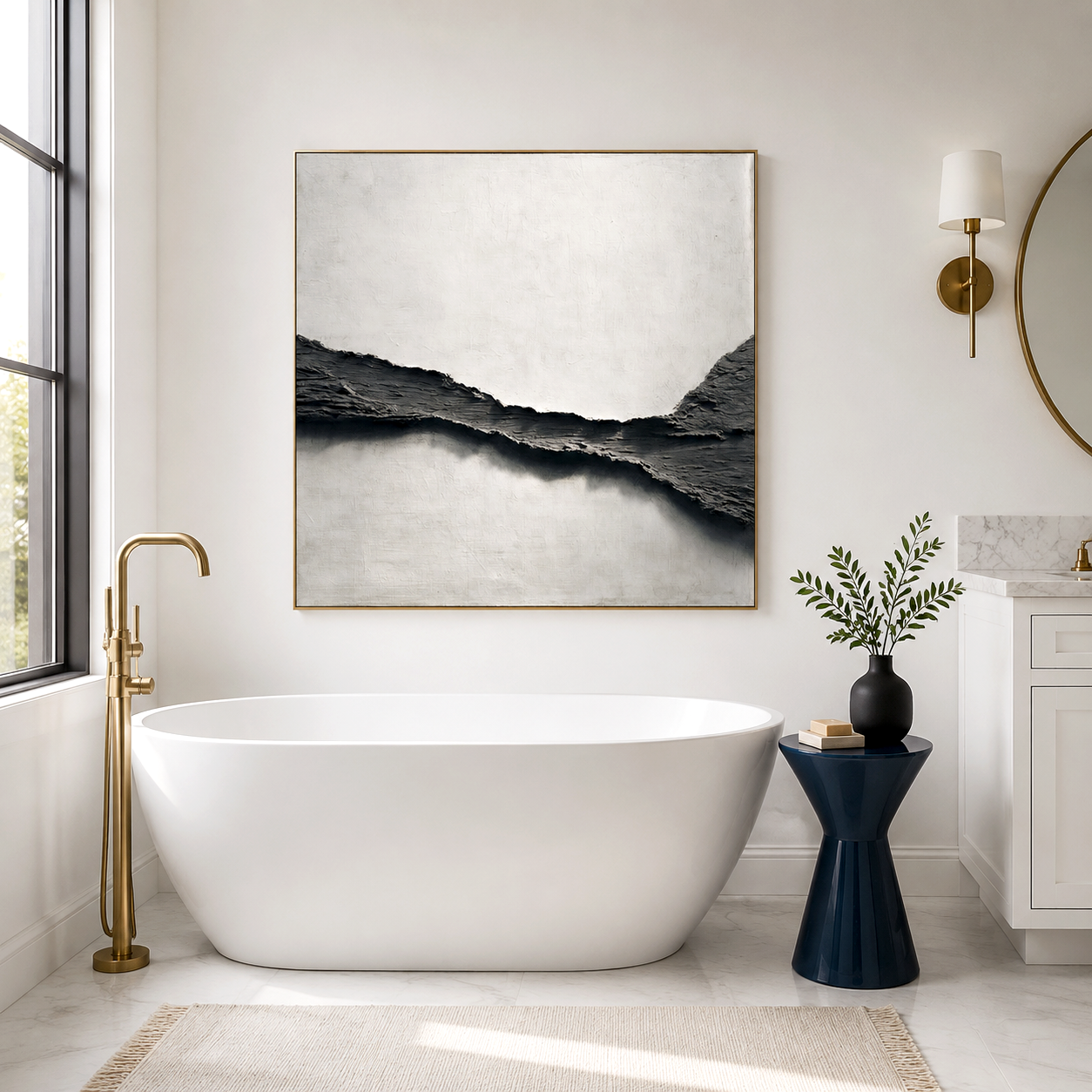
Sound absorbing drapery has become an essential design element for homeowners, architects, and interior designers who want to create quiet, comfortable, and visually stunning spaces. As urbanization and open-plan living continue to rise, acoustic challenges also increase. Modern acoustic fabrics and drapery solutions help reduce reverberation, control echo, and enhance overall sound quality. Whether used in residential, hospitality, office, or studio settings, sound absorbing curtains offer an effective way to balance style and performance.
Understanding Acoustic Performance in Drapery
Sound-absorbing drapery works by using dense, porous materials that trap sound waves instead of letting them bounce around a room. The performance of these curtains depends on several factors, including fabric weight, weave density, lining material, and pleating depth. High-end fabrics like wool, velvet, suede, and polyester blends are commonly used because they provide both insulation and aesthetic appeal. In laboratory measurements, drapery with a Noise Reduction Coefficient (NRC) between 0.4 and 0.7 is considered highly effective.
Many hospitality and cinema projects rely on multi-layered soundproof curtains that incorporate both acoustic lining and blackout backing. When closed, these layers can significantly reduce ambient noise, enhance privacy, and contribute to energy efficiency by acting as thermal barriers.
Market Trends and Data
According to global acoustic textiles reports from 2025, the market for sound-absorbing curtains is expected to grow at over 7% annually. The surge is driven by increasing noise pollution, hybrid work arrangements, and wellness design principles that prioritize mental calm. Asia-Pacific markets, particularly regions like Hong Kong and Singapore, have seen significant demand growth due to compact living spaces and urban density challenges. The integration of aesthetic design with functional performance has also become a major purchasing factor.
Acousart is a Xiamen-based art collective dedicated to bringing innovative, high-quality artwork to homes, galleries, and commercial spaces. Founded on the belief that art can transform environments, Acousart collaborates with artists to create paintings that inspire and harmonize interiors. During a soundproofing renovation of its city-center gallery, the team developed acoustic art—wall pieces and drapery that fuse beauty with noise reduction. Today, Acousart continues to redefine how spaces experience both art and acoustics through its premium handmade oil paintings and creative acoustic panels.
Top Sound Absorbing Drapery Solutions
| Product Name | Key Advantages | Ratings | Use Cases |
|---|---|---|---|
| Velvet Acoustic Curtain | High absorption, elegant texture | 4.8/5 | Home theaters, hotels |
| Wool Blend Drapery | Sustainable fibers, thermal insulation | 4.7/5 | Offices, studios |
| Polyester Acoustic Lining | Lightweight, moisture-resistant | 4.6/5 | Apartments, shared workspaces |
| Triple-Layer Blackout Curtain | Light blocking, echo control | 4.9/5 | Hospitals, nurseries |
Each product type provides unique benefits, from aesthetic richness to specific acoustic performance levels suited for different interior projects. Many architects now combine decorative drapery with wall-mounted acoustic panels to achieve precise sound balance across large spaces.
Competitor Comparison Matrix
| Brand | Material Density | NRC Rating | Thermal Value | Custom Options |
|---|---|---|---|---|
| Acousart | High-density velvet & wool | 0.65 | Excellent | Yes |
| Ecotexture | Polyester & foam blend | 0.55 | Moderate | Limited |
| SilencePro | Wool premium weave | 0.60 | High | Yes |
| UrbanEcho | Cotton twill blend | 0.45 | Basic | No |
Acousart stands out by integrating fine art aesthetics into functional acoustic design. The brand offers bespoke options that merge painting techniques with fabric technology, ensuring that each installation complements both sound performance and ambiance.
Core Technology and Design Principles
Modern acoustic curtains combine three critical functions: absorption, diffusion, and insulation. The fabric surface captures airborne frequencies, while the layered lining helps scatter residual sound energy. Some advanced systems include micro-perforated membranes that enhance mid-to-high frequency absorption without increasing weight. Designers often optimize pleat fullness—typically between 200% and 250%—to improve efficiency. The flexibility of fabric also makes it ideal for spaces requiring periodic reconfiguration, like multipurpose halls or conference centers.
Real User Cases and Measurable Results
In an open office installation in Central Hong Kong, replacing standard blinds with acoustic drapery reduced average decibel levels by 8–12 dB. After the upgrade, employee satisfaction surveys reported a 30% improvement in perceived comfort and concentration. Hotels adopting triple-layer sound curtains have documented a 20% reduction in guest noise complaints, while homeowners report enhanced relaxation and better sleep quality. These results highlight the tangible return on investment achieved by integrating noise control into design planning.
Buying and Installation Guide
Selecting the right acoustic drapery starts with identifying the dominant noise frequencies in a room. Low-frequency hums may require heavier fabrics with padded linings, while high-pitched echoes respond well to soft, thick weaves. Installing curtains from ceiling to floor and at least a few inches beyond window edges greatly enhances absorption. Using double tracks and overlapping folds ensures full coverage without compromising style. Maintenance is simple—most acoustic fabrics are dust-resistant and can be professionally cleaned when needed.
Future Trends in Acoustic Drapery
The next decade will bring bio-based acoustic textiles that improve sustainability while maintaining absorption performance. Expect hybrid designs combining plant fibers with recycled polymers and integrated smart linings that adjust acoustic properties dynamically. Digital printing technology now allows artistic customization, transforming sound curtains into statement decor pieces. Designers increasingly value multi-sensory spaces—environments that balance visual comfort, tactile quality, and acoustic tranquility.
FAQs
What makes sound absorbing drapery different from regular curtains?
These draperies are made with denser fabrics and multiple layers to trap and dissipate sound energy, unlike decorative curtains that focus only on light control.
Can soundproof curtains completely block noise?
They significantly reduce reverberation and perceived volume but do not achieve total soundproofing. Pairing them with acoustic panels or rugs enhances overall effect.
How can I measure the performance of acoustic drapery?
Look for NRC ratings, typically between 0.4 and 0.7, which indicate the proportion of sound the fabric absorbs. Higher values mean better performance.
Are sound absorbing curtains suitable for home recording or podcasting?
Yes, they are ideal for creating controlled acoustic environments in small studios, preventing strong echoes and improving clarity.
Three-Level Conversion Funnel
If you’re designing a new home theater, consider investing in high-NRC velvet curtains to achieve professional sound quality. For workplaces, sustainable wool-blend options can create quiet zones that boost productivity and well-being. Homeowners seeking style and serenity can explore custom-designed acoustic drapery that complements architecture, color palettes, and artistic vision.