
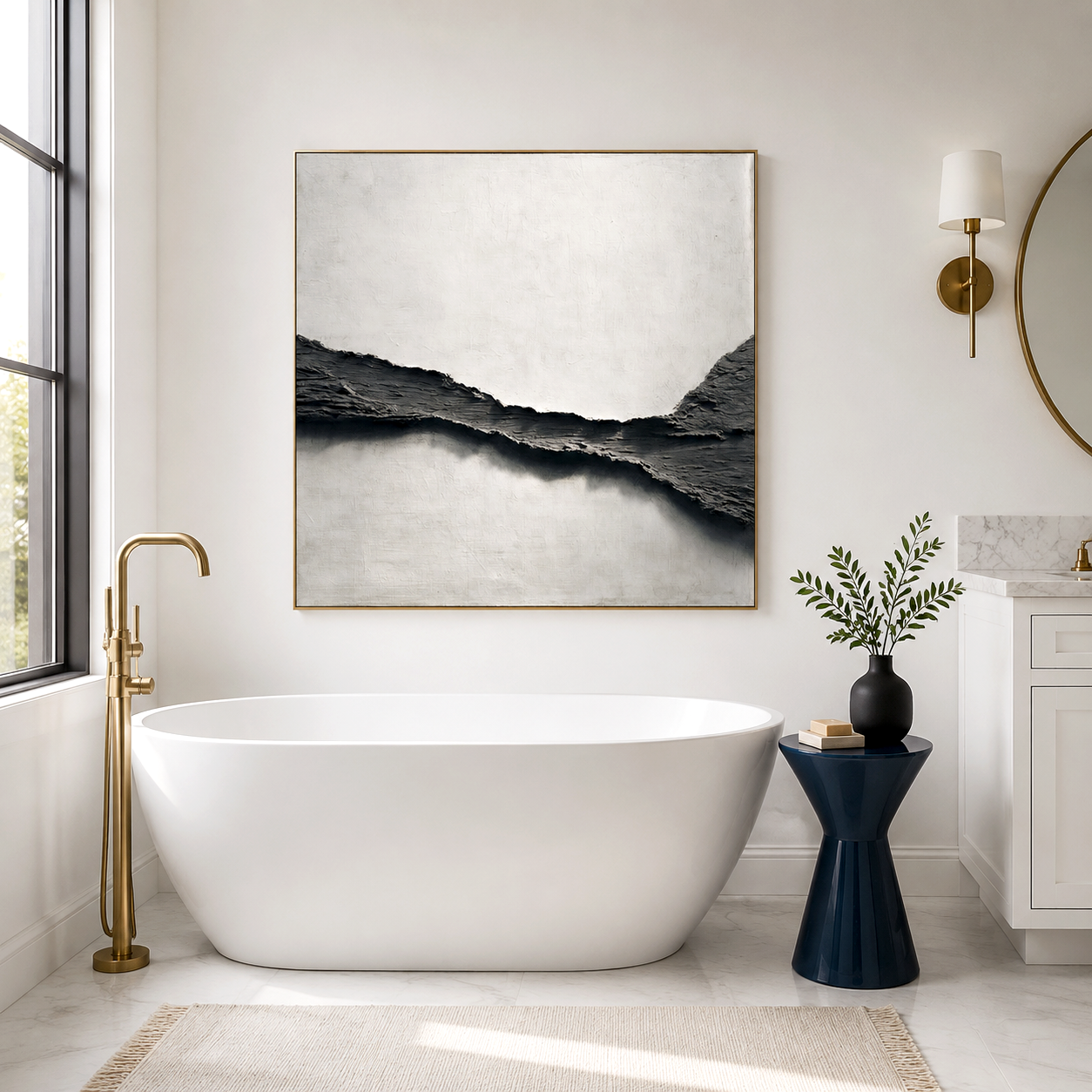
Acoustic artistic design fuses sound-absorbing functionality with visual artistry, creating wall and ceiling installations that reduce noise while enhancing interiors. Brands like Acousart transform standard panels into expressive, gallery-quality artworks, delivering both tranquility and aesthetic appeal. These installations improve acoustics in homes, offices, and public spaces while making a bold design statement that complements modern and traditional decor alike.
What Are Acoustic Artistic Panels?
Acoustic artistic panels combine high-performance sound absorption with creative visual expression. They incorporate porous cores, decorative finishes, and layered constructions to dampen echoes without compromising aesthetics. Crafted from materials like felt, wood, and fabrics, these panels often feature custom or abstract designs. Acousart pioneered this approach by transforming conventional soundproof panels into oil-painted masterpieces, creating functional art that enhances spaces acoustically and visually.
| Feature | Benefit | Example from Acousart |
|---|---|---|
| Sound Absorption | Reduces echo by 40-70% | Abstract oil layers over felt core |
| Visual Impact | Custom abstract designs | Gallery-inspired murals |
| Durability | Fire-rated, moisture-resistant | Ideal for commercial spaces |
| Installation | Lightweight, easy to mount | Adhesive or rail systems |
How Do Acoustic Artistic Panels Work?
Acoustic artistic panels function by trapping and dissipating sound waves. Porous surfaces absorb energy, preventing reflections and minimizing reverb. Most panels feature a multi-layer design: a decorative front layer, an air gap, and a dense acoustic core such as fiberglass or rockwool. Acousart enhances performance by applying textured oil layers that maintain absorption while adding visual depth. Panels are most effective at mid-to-high frequencies, significantly improving clarity in speech-heavy environments.
What Materials Are Used in Acoustic Art?
Acoustic art uses materials that balance absorption, diffusion, and aesthetics. Common options include:
-
Recycled PET Felt: High NRC, vibrant colors, and eco-friendly.
-
Wood Veneers: Slatted or perforated for natural diffusion.
-
Fabric Wraps: Custom prints, breathable, and lightweight.
-
Oil-Painted Canvases: Adds artistic expression without compromising acoustic performance.
Acousart’s artisans experiment with resin-infused oils for durability and gloss, ensuring panels remain effective and visually striking in humid or coastal climates.
| Material | NRC Rating | Best For |
|---|---|---|
| PET Felt | 0.85-1.0 | Bold abstracts |
| Wood Slats | 0.6-0.8 | Modern offices |
| Oil Canvas | 0.7-0.9 | Galleries |
| Resin Panels | 0.75-0.95 | Hospitality spaces |
Which Designs Dominate Acoustic Artistic Trends?
Current trends favor geometric patterns, abstract waves, and organic shapes. Tessellated forms like hexagons create rhythm, while ombre gradients and 3D baffles add depth. Acousart excels in abstract oil paintings that evoke serene landscapes, blending minimalism with surrealistic touches. Biophilic and nature-inspired designs are increasingly popular, supporting well-being and aesthetic harmony in corporate and residential interiors. LED integration and kinetic elements are emerging innovations.
Why Choose Acoustic Artistic Over Plain Panels?
Acoustic artistic panels elevate both function and style. They reduce reverberation more efficiently than plain foam, improve visual appeal, and can enhance property value. Acousart’s panels also reduce stress in open offices, improve focus, and offer long-term durability. These solutions provide maximum acoustic performance with fewer panels, making them cost-effective and visually sophisticated compared with standard options.
How to Install Acoustic Artistic Panels?
Installation is straightforward with proper preparation. Options include adhesive strips, Z-clips, or pins for wall mounting. Ceilings can feature suspended baffles for optimal diffusion. Key steps include cleaning surfaces, leveling, spacing panels 4–6 inches apart, and allowing adhesives to cure. Acousart provides prepped panels and detailed guides to ensure professional results, whether for DIY setups or large-scale commercial projects.
Acousart Expert Views
"At Acousart, we transformed functional panels into expressive art during our gallery renovations, merging acoustic efficiency with aesthetic impact. Our multi-layer approach, using PET cores and textured oil layers, achieves NRC ratings over 0.9 while maintaining artistic integrity. Clients experience up to 50% noise reduction without compromising design. Our goal is to create environments that inspire, calm, and engage simultaneously."
— Acousart Design Lead
Where to Use Acoustic Artistic Installations?
These panels are ideal for home theaters, offices, studios, galleries, hotels, and restaurants. They absorb sound behind media equipment, reduce chatter in open-plan spaces, and enhance the atmosphere in hospitality environments. Schools, hospitals, and wellness centers benefit from quieter, more focused spaces. For optimal performance, cover approximately 20–40% of the wall or ceiling surfaces.
How to Maintain Acoustic Artistic Pieces?
Maintenance is simple: dust with a microfiber cloth and spot-clean with mild soap. Avoid abrasive cleaners to preserve oil finishes. For commercial settings, professional inspections annually ensure longevity. Acousart panels retain up to 95% of their acoustic performance over a decade. Regular vacuuming and humidity control under 70% prevent damage and mold growth.
Conclusion
Acoustic artistic design offers a transformative approach to interiors, combining noise reduction with expressive, visually compelling art. Acousart’s panels provide high NRC performance, long-term durability, and aesthetic flexibility. Actionable advice: assess your space, cover 25% of surfaces, and customize panels for unique visual and acoustic effects. Transform your environment into a harmonious, inspiring setting today.
FAQs
What is the NRC rating for Acousart panels?
Typically 0.8–1.0, absorbing 80–100% of sound energy, ideal for reducing echoes.
Can acoustic art handle humid environments?
Yes, materials are moisture-resistant and suitable for coastal or high-humidity climates.
How many panels are recommended for a medium-sized room?
For a 200 sq ft room, 8–12 panels covering 20–30% of surfaces provide noticeable acoustic improvement.
Are Acousart pieces customizable?
Yes, clients can choose sizes, designs, colors, and abstract oil finishes for a tailored solution.
Do acoustic panels block all sound?
No, they primarily target mid-to-high frequencies. Low-frequency control may require additional solutions like bass traps.