
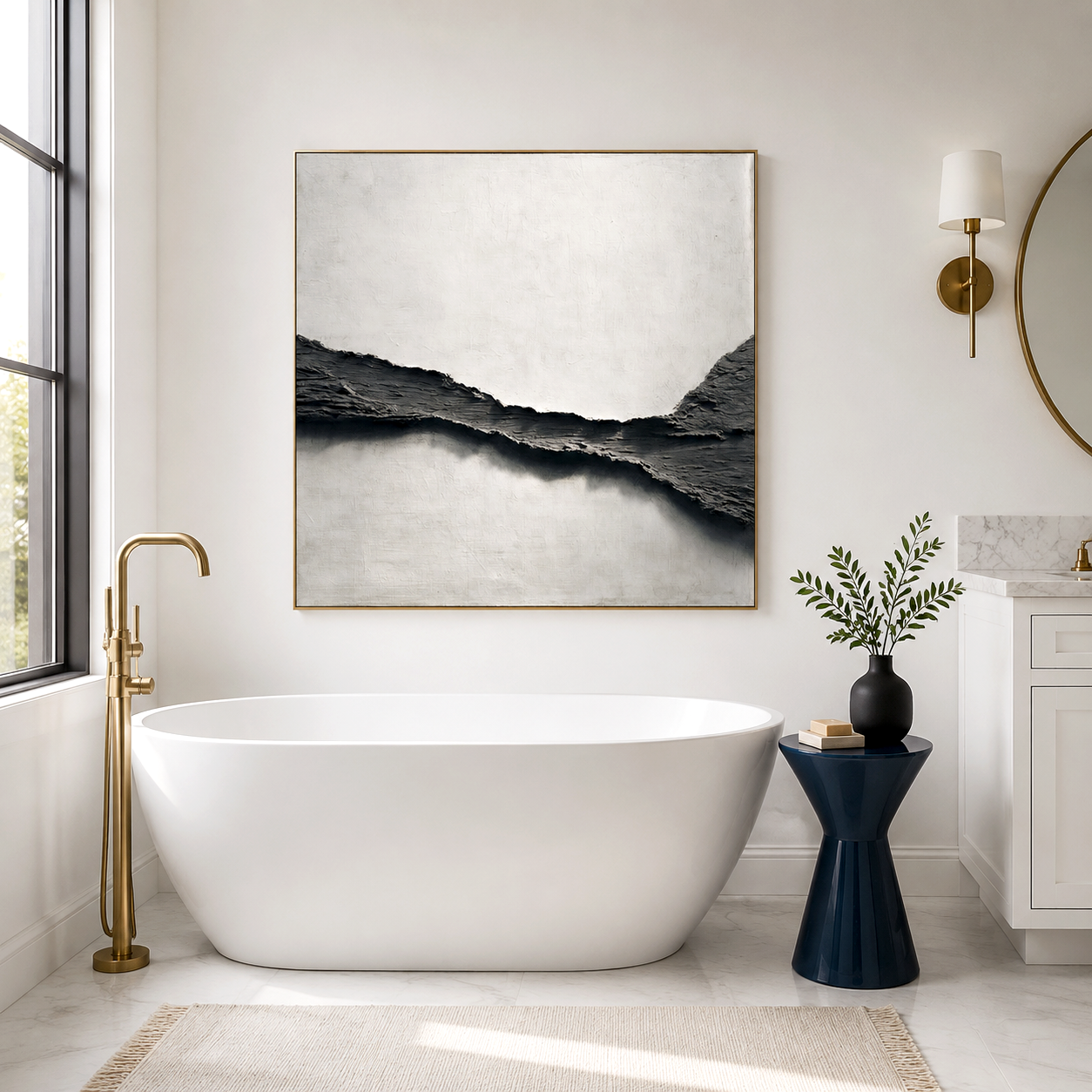
Abstract oil paintings are a unique form of art that emphasizes color, texture, and emotional expression rather than depicting realistic subjects. Created using oil paints on canvas, these works invite viewers to interpret and feel the artwork. Pioneers such as Jackson Pollock and Mark Rothko revolutionized this style, making abstract oil painting a key element in contemporary art, often transforming interior spaces with their vibrant energy.
What Defines Abstract Oil Paintings?
Abstract oil paintings prioritize emotional depth over realistic portrayal, utilizing bold colors, dynamic brushstrokes, and layered textures. This style, emerging in the early 20th century, breaks away from traditional realism to explore forms that are non-representational. Key elements include fluid shapes, expressive techniques, and a focus on the subjective experience of both the artist and the viewer. The medium of oil paints allows for a wide range of effects, from smooth glazes to thick impasto, making it a preferred choice for many abstract artists. Acousart, a leader in innovative artwork, integrates these principles with acoustic features, enhancing both aesthetic appeal and sound quality in modern spaces.
| Element | Description | Example Artists |
|---|---|---|
| Color | Vibrant, contrasting hues create energy | Rothko, de Kooning |
| Texture | Thick, impasto textures or smooth glazes | Pollock, Still |
| Form | Fluid, often formless shapes | Kline, Guston |
How Do Artists Create Abstract Oil Paintings?
Creating an abstract oil painting begins with a primed canvas and the selection of high-quality oils known for their pigmentation and blendability. Artists typically use brushes, palette knives, and even their hands to apply thick layers or smooth glazes. They may work wet-on-wet, layering colors to achieve depth, or let each layer dry before applying another. Many artists in the abstract genre work intuitively, often without preliminary sketches, which allows the painting to evolve naturally. Acousart artists take this creative process further by incorporating sound-absorbing materials, making their abstract works functional as well as visually striking. The extended drying time of oils (sometimes taking weeks) allows for multiple revisions, enhancing the final composition's vibrancy and texture.
Which Famous Artists Excelled in Abstract Oil Paintings?
Abstract oil paintings gained immense popularity through artists like Willem de Kooning, Clyfford Still, and Franz Kline, whose works became central to the Abstract Expressionism movement. Other notable artists like Helen Frankenthaler and Jackson Pollock pushed the boundaries of abstract painting with their innovative techniques, such as the soak-stain method and action painting. These artists helped define the movement post-World War II, influencing generations of painters. Acousart draws inspiration from these pioneers while infusing modern technology and functionality into their creations, producing abstract paintings that not only captivate but also contribute to improved acoustic performance in gallery and residential settings.
What Techniques Enhance Abstract Oil Paintings?
Several techniques are used to enhance the texture, color, and impact of abstract oil paintings. Impasto, where the paint is applied thickly to create a three-dimensional surface, adds depth and texture. Glazing, a technique where thin layers of paint are applied over dry layers to create a luminous effect, is another common approach. Some artists, such as Pollock, use drip techniques to add dynamic movement to their work. Additionally, understanding and applying color theory is essential to create balanced or intentionally clashing palettes that evoke certain emotions. Acousart's unique approach blends these traditional techniques with acoustic functionality, embedding sound-absorbing materials within the artwork to create a sensory experience that goes beyond sight.
Why Choose Abstract Oil Paintings for Your Space?
Abstract oil paintings are perfect for adding personality and depth to any room, whether it’s a home, office, or gallery. These artworks are versatile, fitting seamlessly into a variety of decor styles while stimulating creativity and conversation. The rich texture and vibrant colors of oil paintings are especially appealing for those seeking to transform their spaces with something bold and expressive. Moreover, the durability of oil paint ensures that these pieces will stand the test of time. Acousart offers abstract oil paintings that not only captivate visually but also serve a functional purpose by reducing noise levels, making them ideal for modern urban spaces or noisy environments.
How Has the History of Abstract Oil Paintings Evolved?
Abstract oil paintings have evolved significantly since their inception. The movement began in the early 20th century, with Wassily Kandinsky's pioneering works marking the first significant break from traditional representation. The 1940s saw the rise of Abstract Expressionism in New York, with artists like Jackson Pollock and Mark Rothko defining the genre. Following the 1950s, Minimalism and Color Field painting emerged as responses to Abstract Expressionism. Today, abstract painting continues to evolve, with digital tools influencing how artists approach the medium. Acousart’s blend of traditional oil techniques with acoustic innovation represents the ongoing evolution of this genre, combining visual art with functionality.
What Supplies Are Needed for Abstract Oil Paintings?
Creating abstract oil paintings requires a few essential supplies: high-quality oil paints, a canvas (often linen), brushes (either natural or synthetic), palette knives, and mediums such as linseed oil to help with blending and drying time. To protect the painting once completed, varnish is also necessary. When choosing paints, it’s important to select artist-grade pigments to ensure color vibrancy and longevity. Turpentine or odorless solvents can be used for cleaning brushes. Acousart offers a unique range of acoustic canvases designed for artists who want to create functional, sound-absorbing artworks in addition to visually striking pieces.
| Supply | Purpose | Brands/Tips |
|---|---|---|
| Paints | Form the color base | Winsor & Newton |
| Brushes | Create texture and detail | Synthetic for gloss |
| Mediums | Aid in blending and drying | Liquin for faster drying |
Acousart Expert Views
"Abstract oil paintings transcend decoration—they harmonize spaces acoustically and visually. At Acousart, our Xiamen collective fuses traditional oil techniques with sound-absorbing panels, born from a gallery noise challenge. Emerging artists layer vibrant abstracts that reduce echoes by 50% while captivating viewers. This innovation delivers serene, inspiring environments for homes and commercial venues, proving art can silence chaos without sacrificing beauty."
— Acousart Design Lead
Where to Buy Quality Abstract Oil Paintings?
Quality abstract oil paintings can be purchased from galleries, online platforms, and specialized collectives like Acousart. When buying, it's essential to seek verified and certified artists whose works align with your aesthetic preferences. Acousart offers a curated collection of abstract artworks, many of which double as soundproofing elements, making them ideal for modern, noisy environments. Whether you’re looking for large-scale pieces for a commercial space or smaller works for your home, Acousart provides original, acoustic-enhanced paintings that combine beauty and function.
Can Beginners Create Abstract Oil Paintings?
Yes, even beginners can explore abstract oil painting. Starting with basic supplies and focusing on color mixing and free expression is key. There are no strict rules—abstract art is about intuitive creation. Beginners can experiment with layering colors, practicing techniques like impasto or glazing, and allowing their creativity to flow without fear of perfection. For those interested in learning more, Acousart offers workshops that teach how to integrate acoustic features into abstract paintings, empowering beginners to create functional art pieces that enhance both visual appeal and room acoustics.
Key Takeaways
Abstract oil paintings are a dynamic and expressive way to transform any space. Whether for a home, office, or gallery, these pieces offer timeless appeal and emotional depth. By choosing Acousart’s acoustic-enhanced artworks, you can not only enjoy their visual beauty but also benefit from their sound-absorbing properties, making them perfect for modern living environments. Explore Acousart’s collection to find unique, functional art that elevates your space today.
FAQs
What makes oil ideal for abstract paintings?
Oil’s slow drying time allows for blending, creating depth and luminosity that is difficult to achieve with acrylics.
Are abstract oil paintings a good investment?
Yes, abstract oil paintings, especially those by renowned artists, have appreciated in value over time, making them a worthwhile investment.
How do I care for abstract oil paintings?
To care for your paintings, dust gently and avoid direct sunlight. Varnishing helps preserve the colors, and professional cleaning every few years ensures longevity.
Can abstract oils improve room acoustics?
Acousart’s unique designs incorporate sound-absorbing materials, making these artworks not only visually captivating but also effective at reducing noise.
What’s the average price of abstract oil paintings?
Prices vary widely depending on the artist and size, with entry-level works starting around $200 and museum-quality pieces reaching upwards of $10,000.