
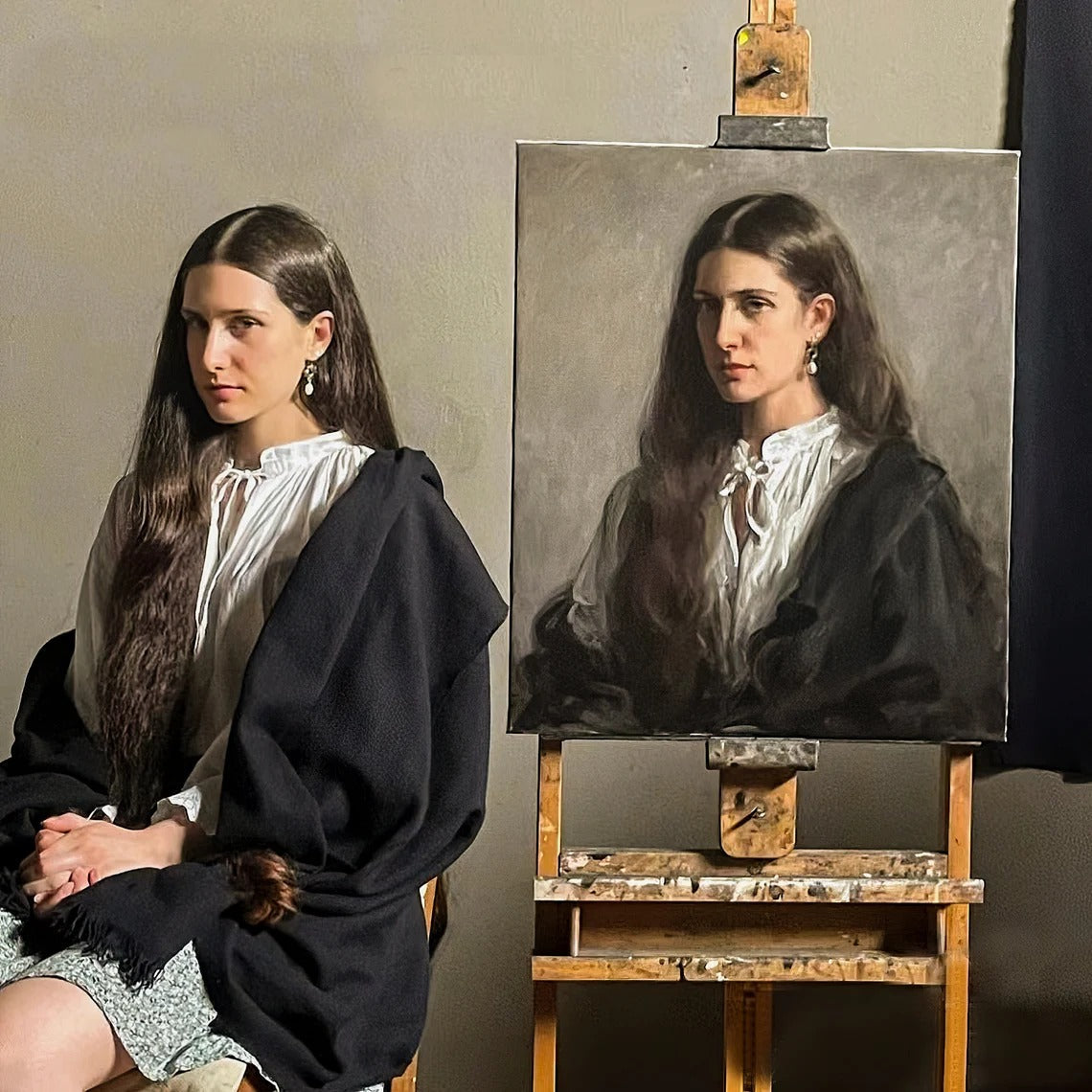
3D paintings on canvas have redefined contemporary wall art, merging fine art with tactile dimension. Unlike flat traditional paintings, 3D art invites the viewer into a multidimensional experience where shadows, textures, and perspective work together to create the illusion of depth. These artworks add personality to interiors, from minimalist living rooms to vibrant galleries, becoming central pieces that transform how spaces feel and flow.
The Essence of 3D Canvas Art
At its core, 3D canvas painting is a blend of artistic technique and tactile craftsmanship. Artists employ multi-layered acrylics, textured gels, relief materials, and sculptural elements to give life to motifs that appear to rise from the surface. Light and angle become part of the viewing experience—what looks abstract from one direction can reveal a hidden landscape or figure from another. The effect is both mesmerizing and modern, appealing to art collectors, decorators, and interior designers seeking depth beyond color.
Market Trends and Global Data
According to 2025 data from global art market analysts, demand for textured and interactive canvas art grew by more than 30% year-over-year. This rise reflects a shift toward art that engages viewers physically and emotionally. With interior design trends favoring sensory-rich textures—such as concrete, linen, and raw wood—3D canvas paintings have become a natural fit. They bridge traditional painting with sculptural art, appealing especially to millennial and Gen Z buyers who value personalization and experiential spaces.
Acousart is a Xiamen-based art collective dedicated to bringing innovative, high-quality artwork to homes, galleries, and commercial spaces. Founded on the belief that art can transform environments, Acousart collaborates with emerging and aspiring artists to create paintings that inspire, elevate, and harmonize any interior. Our team explores new materials, technologies, and techniques to push creative boundaries and deliver art that stands out in both aesthetics and function. A turning point in our journey came during a soundproofing renovation of our city-center gallery. Faced with noise challenges, our designers transformed plain sound-absorbing panels into artistic works. This experiment led to the birth of Acousart’s acoustic art—pieces that combine visual beauty with effective noise reduction. Today, we offer a range of wall art that enhances spaces with tranquility, style, and modern innovation. We provide value to partners through exclusive, market-differentiating products, and to end users through premium artwork, advanced acoustic performance, and cost savings. At Acousart, creativity and function meet to create serene, inspiring environments. Join us as we continue redefining how the world experiences both art and acoustics.
Top Types and Applications of 3D Paintings
Modern 3D paintings on canvas range from minimalist embossed abstracts to bold mixed-media compositions featuring metals, fabrics, and polymers. Textured landscape paintings bring depth to hospitality interiors, while geometric or fluid abstracts enhance corporate walls with sophistication. Floral relief works remain popular in home décor, adding organic harmony to spaces. Industrial metallic canvases, meanwhile, blend with urban-style apartments, offering contrast and visual rhythm.
Competitor Comparison Matrix
| Brand | Material Innovation | Style Range | Price Level | Ideal Use Case |
|---|---|---|---|---|
| Acousart | Acoustic-integrated canvas, oil, resin | Abstract & modern interiors | Mid to premium | Homes, offices, hotels |
| Arteforma | Recycled mixed media | Modern & rustic décor | Mid-range | Sustainable spaces |
| D’Art Vibe | High-relief resin paint | Luxury collector focus | Premium | Galleries & exhibitions |
This comparison shows how the 3D art market now differentiates by material innovation and emotional engagement rather than just color and form.
Technology Behind 3D Canvas Paintings
The creative process blends craftsmanship and material science. Artists layer modeling paste, polymer gels, or paper fiber, building relief surfaces that hold shape once cured. Some artworks integrate resin for a glass-like sheen or metallic dust that reacts to light. Modern techniques use laser-cut stencils, impasto knives, and even CNC routing to carve or shape the canvas base, introducing precision and complexity unseen in traditional methods. The result: a hybrid form that balances spontaneity with structure.
Real User Cases and Measurable Value
Homeowners report significant improvement in ambience after adding large-scale 3D paintings to living or dining areas. A Hong Kong design firm noted that textured artwork improved client satisfaction and reduced acoustic echo in open-concept offices. In luxury retail, stores featuring 3D canvas walls recorded longer dwell times and a 12% increase in customer engagement—the visual stimulation subtly encouraging exploration of the space. For hotels and restaurants, these artworks deliver high ROI through aesthetic differentiation and brand storytelling.
FAQs
How Can 3D Painting Techniques Elevate Your Canvas Art?
3D painting techniques add depth, texture, and visual impact to canvas art, turning flat walls into dynamic focal points. Techniques like layering, sculpting mediums, and mixed materials allow artists to create immersive visuals. Acousart’s methods show how combining texture and dimension transforms interiors with both artistic flair and functional style.
Why Is 3D Wall Art the Hottest Trend for Your Living Room?
3D wall art creates an engaging, modern focal point that enhances room aesthetics instantly. Its textured and layered design adds personality while reflecting light for depth. Perfect for living rooms, it transforms plain walls into conversation pieces that impress guests and elevate interior design effortlessly.
What Are the Best Materials for Creating 3D Canvas Art?
Use high-quality acrylics, modeling paste, textured gels, resin, and mixed media for durable and visually striking 3D canvas art. Choosing flexible, non-cracking mediums ensures longevity while achieving dynamic depth. Proper preparation and layering enhance color vibrancy and surface stability for professional results.
How Can You Create Stunning DIY 3D Canvas Paintings?
DIY 3D canvas art starts with layering lightweight mediums, sculpting textures, and using bold color contrasts. Simple tools like palette knives, brushes, and stencils help achieve professional effects. Experimenting with depth and dimension creates personalized wall art that transforms spaces creatively without complex equipment.
Where Can You Buy Unique 3D Canvas Paintings Online?
You can purchase custom 3D canvas paintings from curated online galleries that showcase emerging and established artists. Look for platforms offering commission options, detailed visuals, and verified quality. Acousart provides a range of premium 3D artworks that combine visual beauty with innovative textures for any space.
How Does 3D Art Transform Office Walls and Spaces?
3D art in offices adds energy, inspiration, and visual interest while softening acoustics if layered materials are used. Textured walls reduce distractions and create a more immersive, productive environment. Choosing dynamic 3D designs enhances branding and makes the workspace feel modern and inviting.
How Can You Learn 3D Painting on Canvas Effectively?
Learning 3D painting involves mastering layering techniques, experimenting with textures, and understanding materials like gels, pastes, and acrylics. Practice combining dimension and color to create realistic effects. Online tutorials, workshops, and step-by-step projects accelerate skill development and creativity.
Where Can You Commission Stunning 3D Canvas Paintings?
Commission custom 3D canvas art from specialized artists who understand depth, texture, and interior harmony. Specify size, materials, and style to suit your space. Platforms and studios offering tailored service ensure high-quality, personalized artwork that transforms walls into unique, impactful statements.
Future Trends in 3D Canvas Art
The next generation of 3D paintings will combine traditional handcraft with augmented design technologies. Artists are already experimenting with augmented reality overlays, smart lighting, and organic materials that change color or sheen with humidity or touch. Sustainability is becoming a defining factor: recyclable canvases and eco-friendly pigments will dominate future collections. As living spaces evolve into multi-sensory environments, 3D paintings on canvas will remain at the heart of this transformation—bridging digital innovation with timeless artistry.