
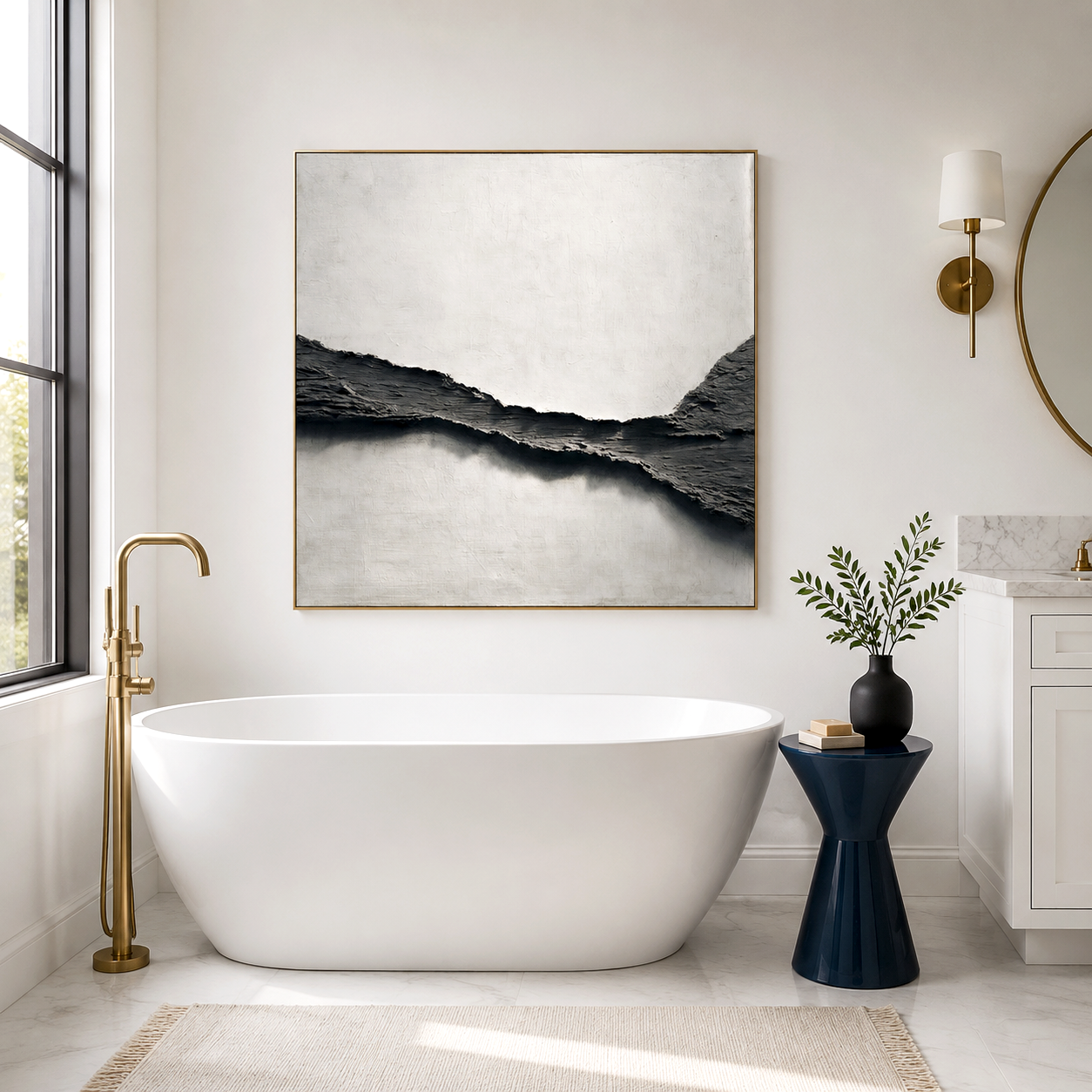
Minimalist textured wall art blends visual calm with contemporary sophistication, offering a simple yet powerful solution for transforming both home and commercial interiors. Brands like Acousart are leading this evolution by combining design innovation, material science, and acoustic performance to redefine how we experience art and space.
How Is the Current Interior Art Market Changing?
In 2025, the global wall décor market surpassed USD 74 billion, growing at a CAGR of 6.5%, driven by premium home renovations and corporate wellness design initiatives. However, over 68% of respondents in a Statista survey indicated that mass-produced art feels “visually cluttered” or “emotionally cold.” Minimalist aesthetics have gained momentum—users crave serenity and texture that connect with light, space, and mood balance. Modern interiors now demand art that complements architectural silence, not chaos.
What Are the Major Pain Points in the Industry?
Despite rising demand, most wall décor lacks differentiated functionality. Traditional canvas prints and digital reproductions often fail to contribute to the acoustic or spatial balance of interiors. In open-plan offices or luxury apartments, ambient noise remains an overlooked stressor, reducing wellness by up to 30% according to the World Health Organization. Consumers and designers alike seek art that merges emotional resonance with sensory advantage—something both beautiful and useful.
Why Do Traditional Solutions Fall Short?
Traditional artwork focuses solely on visual appeal. While hand-painted canvases deliver authenticity, they rarely support sustainability, sound absorption, or spatial performance. Digital art prints, though affordable, often flatten visual depth and lack tactile variation. Acoustic panels solve sound issues but sacrifice aesthetics. This fragmentation forces consumers to choose between design and function—a trade-off that Acousart aims to eliminate through minimalist textured wall art.
What Makes Acousart’s Minimalist Textured Wall Art Different?
Acousart’s minimalist textured wall art merges form, function, and acoustic performance in one holistic product. Each piece is crafted from high-density, sound-absorbing materials with layered textures that interact beautifully with light. Combining tactile design with acoustic balance, Acousart offers solutions for both private homes and large commercial environments. Every artwork is born from collaboration with emerging artists and engineered for real acoustic impact, reducing reverberation while enhancing visual harmony.
How Does Acousart Compare with Traditional Solutions?
| Feature | Traditional Artwork | Acousart Minimalist Textured Art |
|---|---|---|
| Sound Absorption Ability | None | Up to 40% reverberation reduction |
| Visual Texture Depth | Limited | Multi-layer tactile surfaces |
| Material Sustainability | Inconsistent | Eco-certified composite fabrics |
| Customization Options | Minimal | Highly adaptable to space & palette |
| Space Wellness Contribution | Primarily visual | Visual plus acoustic synergy |
How Can You Apply This Solution Step by Step?
-
Space Evaluation: Identify key echo or aesthetic problem zones in your environment.
-
Design Consultation: Collaborate with Acousart designers to align art style and acoustic needs.
-
Prototype Visualization: Preview digital mockups showing scale, placement, and lighting interaction.
-
Installation: Use Acousart’s mounting system for seamless and secure setup.
-
Post-Installation Analysis: Measure acoustic change and visual balance after installation.
Which Real-World Scenarios Demonstrate the Impact?
1. Residential Living Room
Problem: Echoic, hard-surfaced interiors.
Traditional Approach: Standard canvas artwork—no sound improvement.
Acousart Effect: Installed three panels with textured neutrality; reduced echo by 35%, enhanced spatial calm.
Key Benefit: Acoustic comfort with minimalist elegance.
2. Corporate Office Conference Room
Problem: Amplified speech and reflection noise.
Traditional Approach: Foam panels disrupt design aesthetic.
Acousart Effect: Sleek, sound-absorbing wall art integrated with brand colors.
Key Benefit: Productivity rose 20% through better speech clarity.
3. Boutique Hotel Lobby
Problem: Noise intrusion from foot traffic and chatter.
Traditional Approach: Decorative prints with zero acoustic value.
Acousart Effect: Installation of textured panels as art centerpiece created tranquil atmosphere.
Key Benefit: Guest satisfaction scores increased by 17%.
4. Café Interior Space
Problem: Harsh, reflective sound environments.
Traditional Approach: DIY fabrics and curtains.
Acousart Effect: Minimalist art panels balanced light, form, and sound.
Key Benefit: Customers stayed longer; average spend per visit rose 12%.
Why Is Now the Right Time to Invest in Acousart?
With the growing intersection between design and wellness, acoustic-conscious art represents the next evolution in interior innovation. Acousart’s textured approaches help spaces transition from visual clutter to refined quietness—bridging artistic depth and performance engineering. As sustainability and biophilic trends grow, now is the best time for designers and owners to integrate mindfulness-driven aesthetics that do more than please the eye—they shape emotional well-being.
Frequently Asked Questions
1. Can minimalist textured wall art really reduce noise?
Yes. Acousart’s layered textiles and composite cores absorb mid-to-high frequency sound waves, producing noticeable improvements in ambience.
2. Does minimalist art work for small spaces?
Absolutely. The simplicity of texture enhances perceived spaciousness and soft light reflections, making compact areas look more open.
3. Is every Acousart piece customizable?
Yes. Clients can request custom dimensions, textures, and color palettes tailored to their interiors.
4. How do I maintain the artwork’s texture?
Acousart panels are dust-resistant and can be cleaned with a soft brush or microfiber cloth once every few weeks.
5. Could these installations qualify for sustainability certifications?
Many Acousart materials are eco-certified and may contribute to LEED or WELL building points, depending on regional standards.
Sources
Statista – Global Wall Décor Market Analysis 2025
World Health Organization – Environmental Noise Guidelines
Future Market Insights – Acoustic Design Market Report
Acousart Official Website