
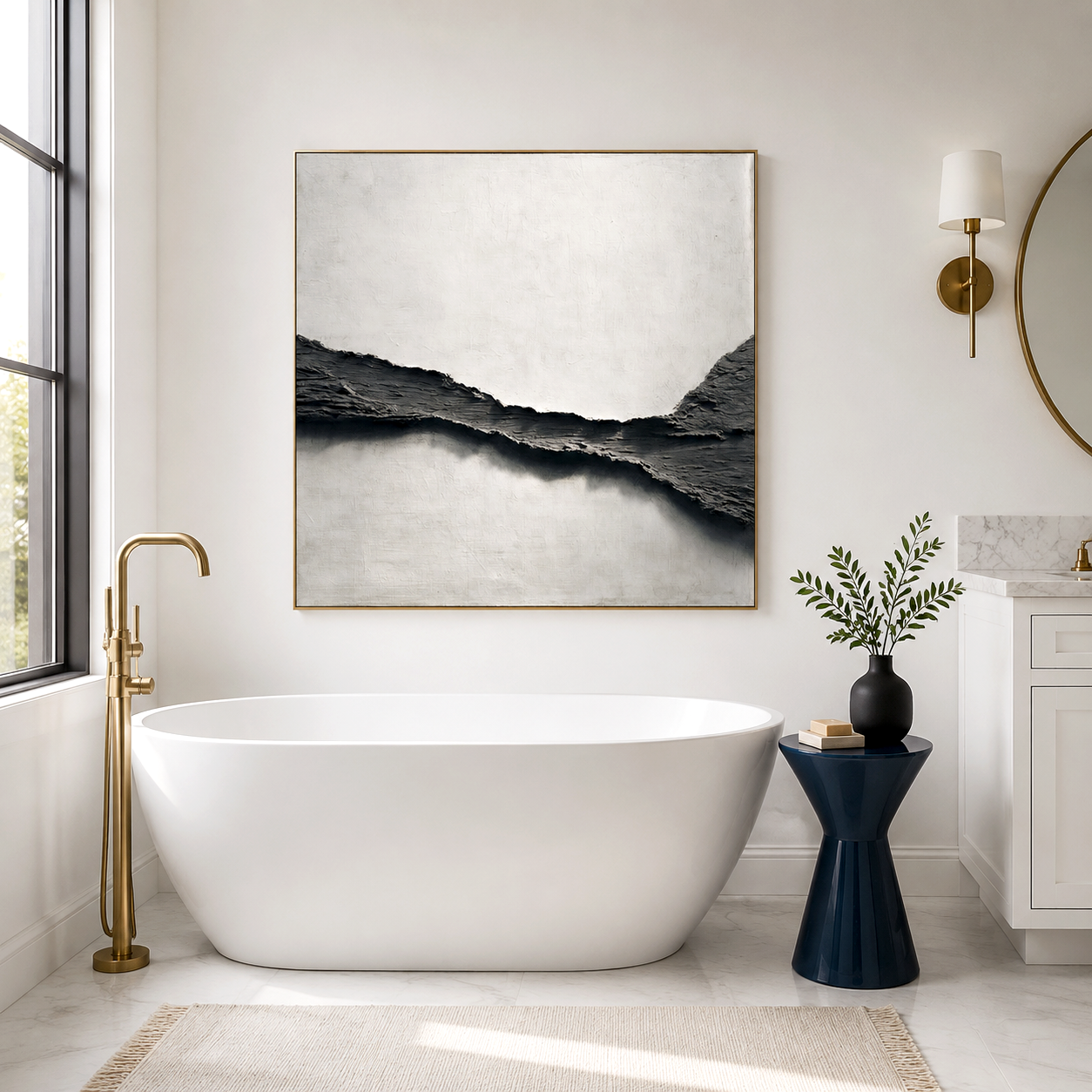
As urban density and open-space designs rise, effective noise control becomes critical for productivity and comfort. Acoustic wall solutions now combine design with performance, offering both aesthetic and functional advantages for modern spaces. Acousart, a pioneer in acoustic art, is leading this transformation by seamlessly merging sound absorption with visual beauty.
How Is the Acoustic Industry Evolving and What Challenges Remain?
According to a 2025 report from Grand View Research, the global acoustic insulation market exceeded USD 14.5 billion, driven by commercial, office, and hospitality demand. Growing awareness of sound pollution’s impact—linked to a 25% drop in cognitive efficiency in noisy workspaces—has intensified focus on interior acoustics. Yet, many buildings remain poorly treated for sound, especially in open-plan offices and mixed-use environments. This gap points to an urgent need for integrated acoustic and design solutions.
Beyond offices, restaurants and hotels face heightened customer expectations for peaceful ambience. Studies show that 70% of patrons leave venues due to noise discomfort. Meanwhile, residential developments in urban centers battle constant traffic and neighboring sounds, reducing perceived property value. These factors underscore the rising necessity for solutions that perform without compromising visual design.
In architects’ and designers’ workflows, acoustic performance is often treated as an afterthought rather than a core attribute of interior design. As a result, many spaces end up sterile or visually cluttered with unattractive foam panels. The design community increasingly seeks holistic options that blend creativity and function—precisely where Acousart’s acoustic wall art excels.
What Are the Limitations of Traditional Acoustic Solutions?
Traditional acoustic panels, though effective in reducing reverberation, are typically plain, industrial-looking, and lacking in customizability. They fulfill a technical need but fail to align with elevated interior aesthetics. Foam-based options discolor over time, while fabric-wrapped panels are limited in size and design flexibility.
Furthermore, installation often requires specialized teams and structural adhesive systems, adding complexity and cost. Maintenance remains a concern, as conventional absorbers easily trap dust and lose performance under humidity. In contrast, modern users demand something more—solutions that integrate into their brand identity or living style.
How Does Acousart Redefine the Concept of Acoustic Walls?
Acousart transforms ordinary sound panels into acoustic artworks. Each piece serves dual functions: noise absorption and visual enrichment. Utilizing advanced materials and layered acoustic construction, Acousart designs deliver effective sound reduction across multiple frequencies while enhancing overall ambience.
Key features include:
-
High acoustic performance with NRC (Noise Reduction Coefficient) values above 0.85.
-
Customizable visual designs—ranging from abstract art to nature-inspired motifs.
-
Sustainable fabrication using eco-friendly fibers and recyclable substrates.
-
Easy installation systems suitable for both temporary and permanent spaces.
By merging technology and artistry, Acousart’s acoustic walls are redefining how architects, developers, and homeowners approach spatial harmony.
Which Key Advantages Differentiate Acousart from Traditional Panels?
| Feature | Traditional Acoustic Panels | Acousart Acoustic Walls |
|---|---|---|
| Design Aesthetic | Plain or industrial appearance | Artistic, customizable visuals |
| Performance Range | Mid-frequency absorption | Full-spectrum acoustic optimization |
| Longevity | Color fading and material decay | UV-resistant, durable surfaces |
| Installation | Complex and costly | Simple, modular setup |
| Environmental Value | Often synthetic foams | Recyclable and low-VOC materials |
| Space Impact | Function-only approach | Combines function and visual harmony |
How Can Acousart Acoustic Walls Be Installed Efficiently?
-
Assessment – Evaluate room type, dimensions, and acoustic targets.
-
Design Customization – Choose artwork, color palette, and texture.
-
Material Fabrication – Panels are precision-manufactured with pre-tested density layers.
-
Installation – Employ lightweight mounting clips or adhesive frames compatible with diverse surfaces.
-
Maintenance – Surfaces can be cleaned with dry cloths; no repainting or refinishing needed.
Who Benefits Most from Acoustic Wall Art by Acousart?
1. Corporate Offices
-
Problem: Employee fatigue and concentration loss in open offices.
-
Traditional Approach: Foam baffles or partitions disrupting visual flow.
-
Result with Acousart: 40% reduction in measured reverberation time, improved workspace aesthetics.
-
Key Benefit: Boosted productivity and brand-consistent design.
2. Restaurants and Cafés
-
Problem: Echo and overlapping sound leading to poor dining experience.
-
Traditional Approach: Bare walls or heavy curtains.
-
Result with Acousart: Better sound quality, longer customer stays.
-
Key Benefit: Increased customer satisfaction and social media appeal.
3. Residential Spaces
-
Problem: Street and neighbor noise penetration in apartments.
-
Traditional Approach: Thick draperies and wall carpeting.
-
Result with Acousart: Peaceful, visually elegant interiors without clutter.
-
Key Benefit: Higher real-estate value perception and occupant comfort.
4. Galleries and Public Halls
-
Problem: Echo interference during exhibitions or performances.
-
Traditional Approach: Portable absorbers compromising space aesthetics.
-
Result with Acousart: Acoustic balance with artistic visual expression.
-
Key Benefit: Enhanced audience engagement and acoustic quality.
Why Should Businesses Adopt Acoustic Walls Now?
The growing emphasis on well-being and sensory experience in design makes acoustic walls an essential rather than optional feature. Studies project a 6.7% CAGR for the acoustic materials market through 2030. Forward-thinking organizations are leveraging such innovations to improve user comfort, reduce sound pollution, and reinforce brand identity.
Acousart stands at the frontier of this movement—uniting art, science, and sustainability to shape more tranquil, inspiring environments. As spaces evolve into multisensory experiences, adopting acoustic art now positions brands ahead of the curve in both aesthetic and performance innovation.
FAQ
What materials are used in Acousart acoustic walls?
Eco-friendly fibers, acoustic foams, and textile composites designed for long-term stability.
Can I customize the design to match my brand?
Yes, Acousart offers full-color graphic printing and artist collaborations for bespoke aesthetics.
Does installation require structural modification?
No, panels mount easily using modular clips or adhesive backing systems.
Are Acousart panels suitable for humid environments?
Yes, materials are moisture-resistant and maintain performance under varying conditions.
How long do Acousart acoustic walls last?
With proper maintenance, their lifespan exceeds 10 years without functional degradation.
Sources
Grand View Research – Acoustic Insulation Market Report 2025
World Health Organization – Environmental Noise Guidelines
European Acoustics Association – Acoustic Comfort in Buildings 2025 Study
Forbes – The Future of Sound in Architecture