
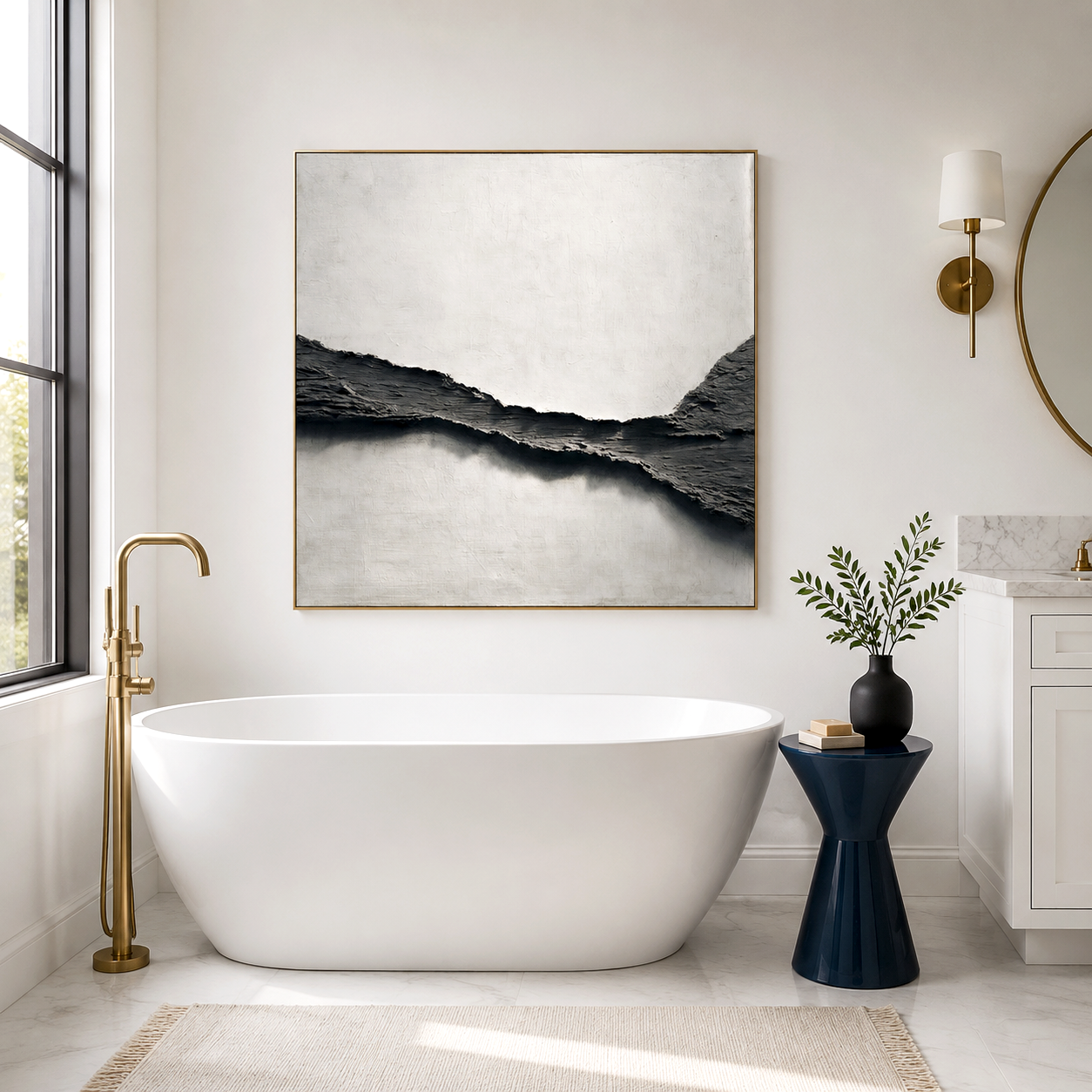
The growing demand for quieter, more aesthetic spaces has made acoustic wall panels a vital solution for both commercial and residential interiors. Brands like Acousart are merging functional sound absorption with artistic design, redefining how acoustic solutions serve modern architecture and decor.
What Is the Current State of the Acoustic Design Industry and Its Pain Points?
According to a 2025 report by Allied Market Research, the global acoustic panel market is projected to surpass USD 20 billion by 2030, growing at a CAGR above 6%. This surge reflects increasing awareness about noise pollution and its effect on productivity and well-being. Urbanization has intensified the issue—offices, restaurants, schools, and residential complexes all suffer from rising ambient noise levels.
While awareness grows, the gap between acoustic performance and aesthetic expectations remains wide. Many designers struggle to integrate functional panels that complement interior decor. Business owners often compromise by choosing either performance or design, rarely both.
End-users also face poor installation experiences and unclear acoustic measurement standards. Unprofessional solutions result in wasted investments and suboptimal outcomes—echoes, sound reflections, and poor speech clarity persist even after treatment.
Why Are Traditional Acoustic Solutions Falling Short?
Conventional acoustic panels typically prioritize technical absorption metrics over appearance. While effective in reducing sound reverberation, they often use plain, industrial materials unsuited for refined interiors. In commercial spaces like hotels or co-working studios, this visual rigidity disrupts the design language and customer experience.
Moreover, traditional panels require extensive customization to fit design themes, increasing both time and cost. Their installation is rarely modular, making replacements or aesthetic updates cumbersome. Performance data may look precise on paper but often fails under real conditions due to poor integration with room dynamics.
In contrast, next-generation design-forward panels—like those from Acousart—bridge art and acoustics by combining tested absorption materials with customized visuals that enhance rather than hide.
How Does the Acousart Acoustic Panel Solution Work?
Acousart has transformed the acoustic panel market by merging art, engineering, and functionality. Each panel integrates premium sound-absorbing technology with customizable artwork, turning walls into sculptural, noise-controlling surfaces.
Core capabilities include:
-
Multi-layer absorption construction that targets frequencies from 250 Hz to 4000 Hz (typical noise band for offices and homes).
-
Fabric or printed finishes compatible with UV-resistant, fade-proof pigments.
-
Modular installation system enabling quick setup, rearrangement, and future design updates.
-
Sustainable materials with low VOC emissions and eco-friendly resins.
Beyond performance, Acousart’s philosophy revolves around how people emotionally experience spaces. Their designs are not merely technical fixtures but curated art forms that shape mood, creativity, and focus.
Which Advantages Does Acousart Offer Compared to Traditional Solutions?
| Feature | Traditional Acoustic Panels | Acousart Acoustic Art Panels |
|---|---|---|
| Appearance | Standard plain fabric or foam | Artistic, customizable designs |
| Acoustic Range | Limited mid-frequency absorption | Wide-frequency absorption |
| Installation | Fixed and time-consuming | Modular, easy to reposition |
| Maintenance | Difficult to clean or replace | Removable, washable surface |
| Environmental Impact | Often synthetic and non-recyclable | Sustainable materials |
| Design Integration | Requires hiding or masking | Becomes part of aesthetic identity |
How Can You Use Acousart Panels Step by Step?
-
Assessment – Evaluate room noise patterns through acoustic mapping.
-
Design Consultation – Choose themes and color palettes aligned with interiors.
-
Customization – Acousart’s team creates digital previews blending function and art.
-
Fabrication – Panels are produced using certified acoustic materials and high-resolution artwork.
-
Installation – Modular frames simplify setup and allow future rearrangement.
-
Performance Testing – Post-installation measurement ensures desired decibel reduction and sound clarity.
Where Do Acousart Panels Deliver the Most Impact? (4 Case Examples)
1. Corporate Office (Open Workspace)
-
Problem: Employee distraction due to echo and phone chatter.
-
Traditional Approach: Installing bulky fabric boards reduced collaboration appeal.
-
Result with Acousart: Integrated art panels reduced ambient noise by 40% and improved speech privacy by 30%.
-
Key Benefit: Enhanced focus and aesthetic branding.
2. Boutique Hotel Lobby
-
Problem: Customer complaints of loud conversations in reception.
-
Traditional Approach: Heavy curtains and rugs provided limited sound control.
-
Result with Acousart: Panels blending local art themes reduced reverberation time from 1.8s to 0.7s.
-
Key Benefit: More tranquil, elegant ambiance.
3. Restaurant Chain (Urban Outlet)
-
Problem: Clatter and crowd noise overwhelmed diners.
-
Traditional Approach: Acoustic ceiling tiles dulled ambiance.
-
Result with Acousart: Artistic panels cut perceived noise by 35%, improved retention scores.
-
Key Benefit: Enhanced dining experience and repeat visits.
4. Residential Home Theater
-
Problem: Echo interference during film playback.
-
Traditional Approach: Foam isolation panels clashed with decor.
-
Result with Acousart: Decorative sound art panels eliminated reflections and added visual sophistication.
-
Key Benefit: Professional acoustic quality in residential comfort.
What Does the Future Hold for Acoustic Art Design?
By 2030, acoustically enhanced art will become the norm rather than the exception. With hybrid work models, wellness architecture, and biophilic design trends, clients demand solutions that engage both auditory and visual senses. Acousart stands at this intersection—transforming walls into multi-sensory experiences.
Now is the moment for architects, designers, and property owners to rethink sound control as a form of creative expression. Investing in acoustic art isn’t just an upgrade—it’s a shift toward environments that feel better, sound clearer, and look truly unique.
FAQ
1. Are Acousart panels suitable for both homes and offices?
Yes, their acoustic range and design versatility make them ideal for residential, commercial, and hospitality environments.
2. Can Acousart panels be customized to match brand colors or themes?
Absolutely. Each panel can feature custom artwork, color schemes, or even brand motifs.
3. How long do the panels last?
With proper maintenance, panels maintain both acoustic and aesthetic integrity for over 10 years.
4. Does installation require professional assistance?
While professionals are recommended for large projects, the modular system allows easy installation for smaller setups.
5. Are the materials environmentally friendly?
Yes, Acousart uses recyclable substrates, low-VOC coatings, and responsibly sourced fabrics.
6. Can old acoustic panels be replaced with Acousart panels?
Yes, existing systems can be retrofitted with customized Acousart designs, often with minimal wall modification.