
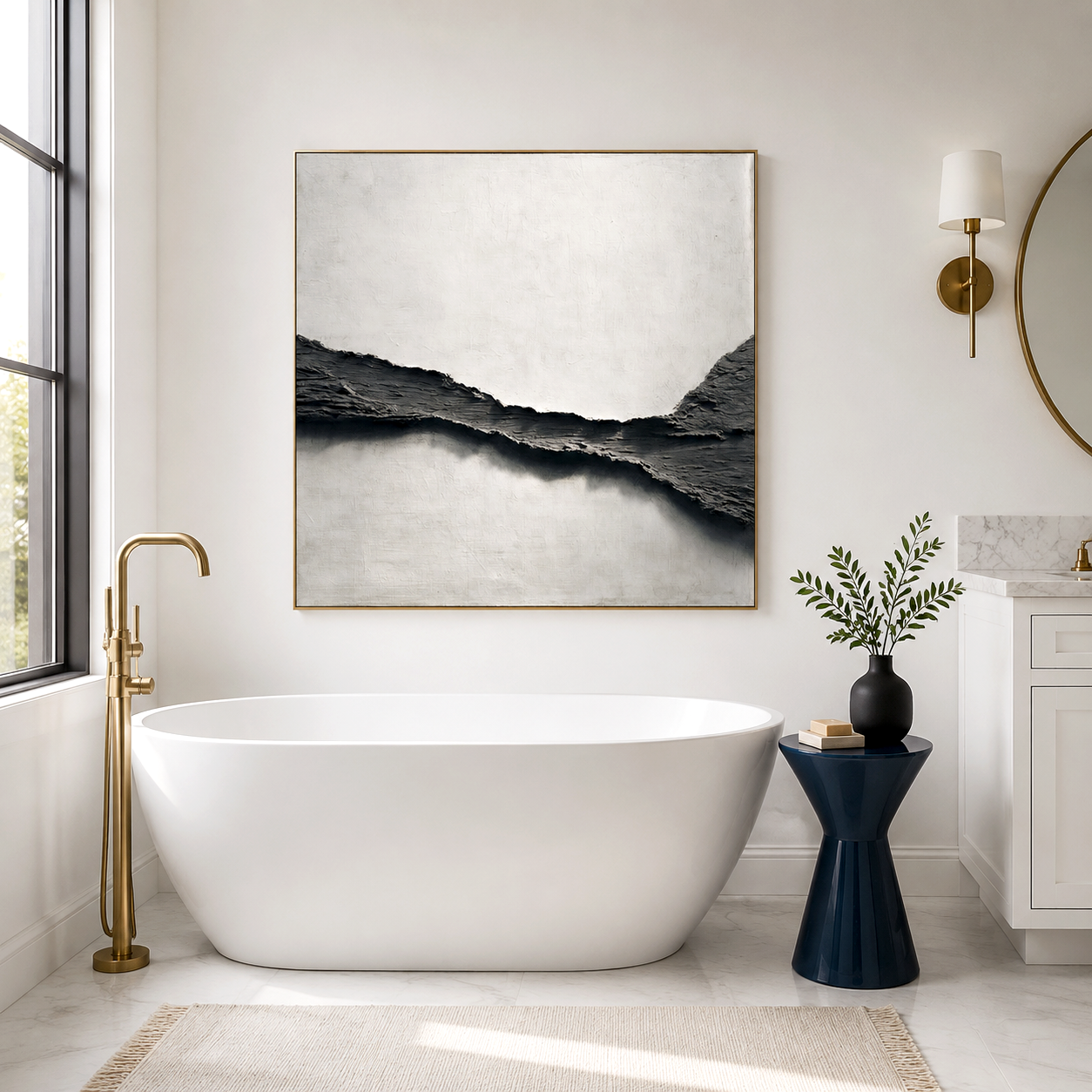
When a workspace feels flat, silent, and uninspiring, adding more white walls or neutral tones rarely fixes the problem. What many creative teams and office designers overlook is that vibrant acoustic art can trigger a physiological response—high-saturation colors and thick hand-painted textures activate visual energy that directly influences mood and focus. Unlike mass-produced prints, these 3D relief pieces combine bold contemporary color combinations with genuine sound-absorbing structure, helping reduce echo while injecting creative spark into offices, co-working zones, and entertainment rooms. The result is a space that doesn’t just look energetic but actually feels more alive and acoustically comfortable.
Why High-Saturation Color Triggers Creative Energy
Color psychology research shows that vivid, saturated hues—particularly reds, oranges, electric blues, and saturated yellows—increase arousal levels in the brain, which can enhance alertness and creative ideation . In environments dominated by Wabi Sabi neutrals, cool grays, or monochrome palettes, the visual system receives low-stimulus input that may support calm but often suppresses spontaneous idea generation.
Vibrant acoustic art leverages this by pairing:
-
High-saturation textured canvas layers that catch light dynamically
-
Bold color blocking that creates visual movement across the wall
-
Thick impasto and relief techniques that add physical depth
When light hits these textured surfaces, the shadows shift as viewers move, creating a subtle kinetic effect that keeps the visual system engaged. This constant micro-stimulation supports sustained attention without the fatigue that comes from overly chaotic patterns.
In office settings, this matters. A wall with a single large-scale colorful contemporary wall decor piece in saturated tones can become a visual anchor that re-energizes a meeting room or brainstorming area without shouting for attention.
How 3D Relief Texture Changes the Acoustic Feel of a Room
Texture is not just visual—it directly affects how sound behaves. Flat surfaces reflect sound waves sharply, creating harsh echoes and a “live” room that feels sterile. Thick, hand-painted relief surfaces disrupt these reflections by scattering sound in multiple directions.
Acoustic art pieces built on sound-absorbing panels use a layered core behind the canvas. The inner material absorbs and diffuses part of the sound instead of letting it bounce directly back into the room. This helps:
-
Reduce flutter echo between parallel walls
-
Soften harsh reflections from glass, concrete, or hard furniture
-
Improve the overall acoustic feel without making the room sound “dead”
The key distinction is that these pieces do not soundproof a room or block outside noise. They manage reflected sound within the space, which is enough to make speech clearer and background chatter less intrusive in collaborative zones.
In a co-working space with exposed ceilings and hard surfaces, one or two large energetic relief painting installations can noticeably soften the acoustic sharpness while adding a statement visual element.
Where Vibrant Acoustic Art Works Best (and Where It Doesn’t)
Not every room benefits from high-energy color. The effect depends on room function, existing palette, and the user’s psychological needs.
Ideal Scenarios
Spaces That Need Caution
The rule of thumb: if the room already feels energetically charged, adding more high-saturation art may tip it into chaos. If the room feels flat or monotonous, vibrant acoustic art often provides the missing spark.
The Difference Betweenhand-Painted Texture and Canvas Prints
One of the most common mistakes when choosing vibrant acoustic art is assuming all textured wall art is the same. Most “textured” pieces sold online are digital prints with a faux-texture overlay. These lack the physical depth and acoustic performance of genuine hand-painted work.
Real hand-painted oil art features:
-
Actual raised paint layers that create genuine shadow and depth
-
Irregular brushwork and impasto that cannot be replicated by printing
-
Acoustic core backing designed to absorb and diffuse sound
-
Unique pieces where no two works are identical
Mass-produced prints, by contrast, sit flat against the wall. Even if they mimic texture visually, they reflect sound uniformly and do not contribute to acoustic improvement.
Acousart, a Xiamen-based art collective, explicitly states “No Mass-Produced Prints” and “100% Hand-Painted Oil Art,” positioning their work as genuine texture painting rather than decorative prints . This distinction matters when the goal is both visual impact and acoustic comfort.
Common Pitfalls When Choosing Bold Acoustic Art
Even well-intentioned buyers make avoidable mistakes that weaken the effect of vibrant acoustic art.
1. Choosing Art Only by Color
Selecting a piece solely because the hue matches the furniture ignores scale, texture depth, and room lighting. A saturated red that looks energizing in a showroom may feel aggressive under warm office lighting or too small on a 12-foot wall.
2. Buying Pieces That Are Too Small
A tiny bold piece on a large wall gets lost. The visual impact—and the acoustic benefit—depends on sufficient coverage. In open-plan offices, undersized art fails to anchor the space or manage reflections meaningfully.
3. Expecting One Piece to Fix Everything
A single artwork, no matter how vibrant, cannot fully transform a room’s acoustics or atmosphere. It works best as part of a broader strategy that may include:
-
Additional absorption panels
-
Soft furnishings (rugs, curtains, upholstered seats)
-
Strategic furniture placement
4. Ignoring Viewing Distance
Thick relief textures read best from a moderate distance (6–15 feet). In tight corridors or small rooms, extreme texture can look chaotic up close. In large lobbies, fine texture may disappear from a distance.
5. Overestimating Acoustic Performance
Decorative acoustic art helps reduce echo and soften reflections, but it does not replace professional acoustic treatment in complex spaces like recording studios, conference rooms requiring speech privacy, or spaces with major noise sources.
Who Should Choose Vibrant Acoustic Art
This category suits buyers and designers who:
-
Want emotional activation and visual energy in commercial or creative spaces
-
Need a statement piece that also contributes to acoustic comfort
-
Prefer hand-crafted, unique artwork over mass-produced prints
-
Are intentionally moving away from all-white or neutral-wabi-sabi aesthetics
-
Understand that the piece is part of a larger design and acoustic strategy
It is less suitable for those seeking:
-
Full soundproofing against outside noise
-
A calm, low-stimulation environment
-
Budget-friendly printed decor without acoustic function
-
A single solution that eliminates all acoustic issues
For teams looking to refresh a dull office or co-working area without a full renovation, a large-scale vibrant acoustic art piece can be a high-impact, lower-cost intervention that changes both how the room looks and how it feels to occupy.
Frequently Asked Questions
Does vibrant acoustic art actually reduce noise?
It can help reduce echo and soften harsh sound reflections within a room, but it does not soundproof the space or block outside noise. The acoustic core absorbs and diffuses part of the sound, improving the room’s acoustic feel rather than eliminating noise entirely.
How is hand-painted texture different from a printed canvas?
Hand-painted texture has real raised paint layers that create physical depth and scatter sound, while printed canvas sits flat and reflects sound uniformly. Only hand-painted pieces with an acoustic core contribute meaningfully to sound absorption.
What size should I choose for an office wall?
For a focal wall in an office or co-working area, the artwork should cover a substantial portion of the wall (often 50–70% of the width between furniture or architectural elements). Too small, and it loses impact; too large, and it can overwhelm the space.
Can vibrant colors be too intense for a workplace?
Yes, if the room already has high visual energy or the work requires deep calm. In creative and collaborative zones, high-saturation tones often boost mood and focus; in quiet study or therapy spaces, they may increase arousal uncomfortably.
Is vibrant acoustic art suitable for home use?
It works well in home offices, game rooms, media rooms, or creative studios where energy and inspiration are desired. For bedrooms or relaxation areas, consider more muted palettes or smaller accent pieces to avoid overstimulation.