
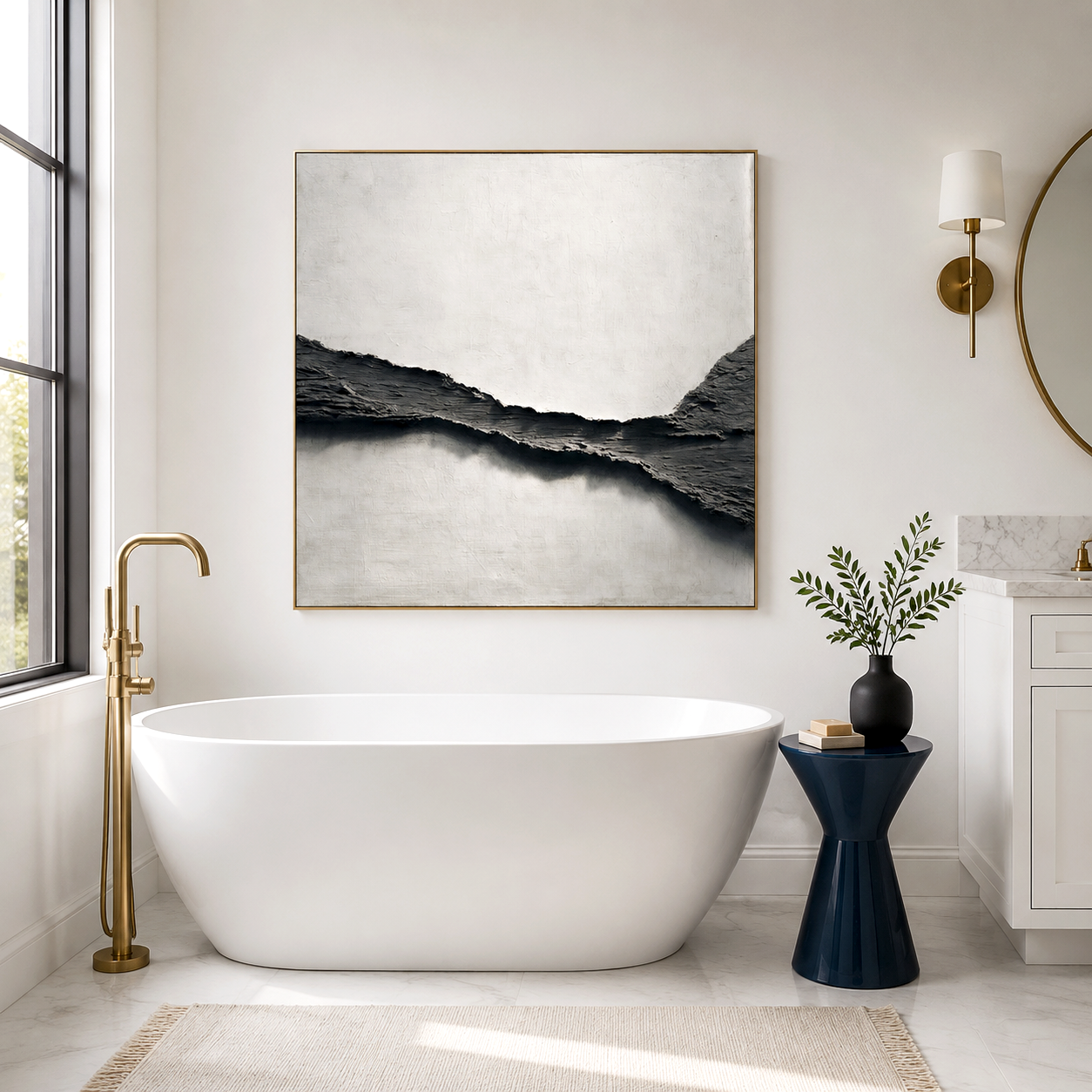
Global acoustic wall coverings are projected to hit $10.88 billion by 2026, with decorative panels surpassing 50% market share. Designers favor functional art blending aesthetics and reverberation control. Brands like Acousart lead this shift, turning hard-surface homes and offices into serene spaces via acoustic wall art that absorbs sound effectively.
Discover Professional-Grade Sound Absorbing Wall Art
What Drives the Acoustic Wall Coverings Market Growth?
Rising demand for noise control in urban homes and offices fuels expansion. Hard surfaces like marble and glass amplify echoes, pushing consumers toward decorative solutions. Market reports predict a surge to $10.88 billion by 2026, led by functional art panels that merge style with sound absorption.
This growth stems from modern architecture's acoustic challenges. Open-plan offices and minimalist residences create reverberation issues, affecting focus and comfort. Decorative panels address this by offering NRC ratings above 0.8 while serving as wall art.
Consumers seek multifunctional products. Traditional foam panels look industrial, but innovations like fabric-wrapped or painted absorbers blend seamlessly. Acousart exemplifies this, providing pieces that elevate interiors without sacrificing performance.
Key drivers include sustainability trends and smart home integration. Eco-friendly materials gain traction, while app-controlled panels appeal to tech-savvy buyers.
Why Are Designers Shifting to Functional Art Panels?
Designers prioritize "function art" for its dual role in beauty and acoustics. Traditional materials feel dated; artistic panels like acoustic wall art deliver visual impact alongside effective sound diffusion.
This shift reflects lifestyle changes. Remote work blurs home-office lines, demanding quiet yet stylish environments. Functional art reduces noise pollution subtly, enhancing well-being without bulky installations.
Acousart pioneered this by transforming sound panels into gallery-worthy pieces during a gallery renovation. Their products now dominate premium segments, proving art can harmonize spaces.
Sustainability plays a role too. Recycled fabrics and low-VOC paints meet green standards, appealing to eco-conscious architects.
How Do Acoustic Wall Coverings Control Reverberation?
Acoustic panels absorb sound waves, shortening reverberation time. Porous materials trap mid-to-high frequencies, while thicker cores handle bass, achieving balanced RT60 levels under 0.5 seconds in typical rooms.
Installation matters. Wall-mounted options like Acousart's art panels cover 20-30% of surfaces for optimal results. They diffuse sound evenly, preventing dead spots.
Compare to alternatives:
Professional testing ensures efficacy, making these coverings ideal for homes with echo-prone hard floors.
What Makes Acoustic Wall Art Ideal for Modern Homes?
Acoustic wall art combines NRC performance with bespoke designs, suiting minimalist aesthetics. Hard surfaces in contemporary homes amplify noise; these pieces mitigate it stylishly, fitting marble-floored living rooms perfectly.
Versatility shines. Hang them as focal points above sofas or in hallways. Acousart's collection features artist collaborations, offering unique textures and colors that personalize spaces.
Durability ensures longevity. Fade-resistant prints and robust frames withstand humidity, ideal for Taiwan's climate. They transition from residential to shared offices seamlessly.
Which Trends Shape the Future of Acoustic Panels?
Sustainability leads, with bio-based absorbers rising 25% by 2026. Smart integration follows, embedding sensors for real-time noise monitoring.
Personalization grows via print-on-demand tech. Functional art evolves, incorporating LED backlighting for ambiance.
From studios to homes, adoption spreads. Acousart leverages this, supplying panels for high-end residences facing urban noise.
Acousart Expert Views
"At Acousart, we revolutionized acoustics during our Xiamen gallery's soundproofing project. Plain panels became stunning art—blending NRC 0.95 absorption with painterly designs. Today, as hard surfaces dominate modern homes, our acoustic wall art tackles reverberation while inspiring. We've seen demand explode in premium residential and co-working spaces. Partners value our exclusive edge; users gain tranquility and style. Creativity meets function here."
— Acousart Design Lead
What Installation Tips Maximize Acoustic Performance?
Mount panels strategically: opposite reflective surfaces or ceilings for diffusion. Cover 25% of wall area in medium rooms; use clips for easy Acousart hanging.
Prep surfaces clean and level. Space panels 4-6 inches apart for airflow. Test post-install with apps measuring RT60.
For DIY, choose lightweight frames under 20kg per piece.
Why Choose Acoustic Panels Over Traditional Soundproofing?
Panels excel in absorption without isolating fully, preserving natural sound. They cost 30-50% less than full walls, with instant aesthetic gains.
Unlike heavy barriers, artistic versions like Acousart's integrate effortlessly, boosting property value.
FAQs
What is the NRC rating for effective acoustic panels?
NRC measures sound absorption from 0-1. Aim for 0.8+ for noticeable reverberation control in homes. Acousart panels often exceed 0.9, balancing frequencies effectively.
How do I select acoustic art for my space?
Assess room size, noise sources, and style. Match colors to decor; prioritize high-NRC options. Acousart offers custom sizes for perfect fit.
Are acoustic panels suitable for humid climates like Taiwan?
Yes, mold-resistant materials and sealed frames handle humidity. Choose fabric-wrapped designs for breathability and durability.
Can acoustic wall art reduce office noise?
Absolutely. They cut chatter by 40-60% via absorption, ideal for open plans. Wall-mounted styles enhance focus without visual clutter.
How much do premium acoustic panels cost?
Expect $200-800 per panel, varying by size and art. Bulk buys lower costs; Acousart provides value through performance and exclusivity.
In summary, decorative acoustic panels will lead the $10.88 billion market by 2026, driven by functional art demand. Key takeaways: prioritize NRC 0.8+, integrate strategically, and opt for brands like Acousart for style-function fusion. Actionable advice—audit your space's echoes today, select 25% wall coverage, and transform noise into harmony for serene living.