
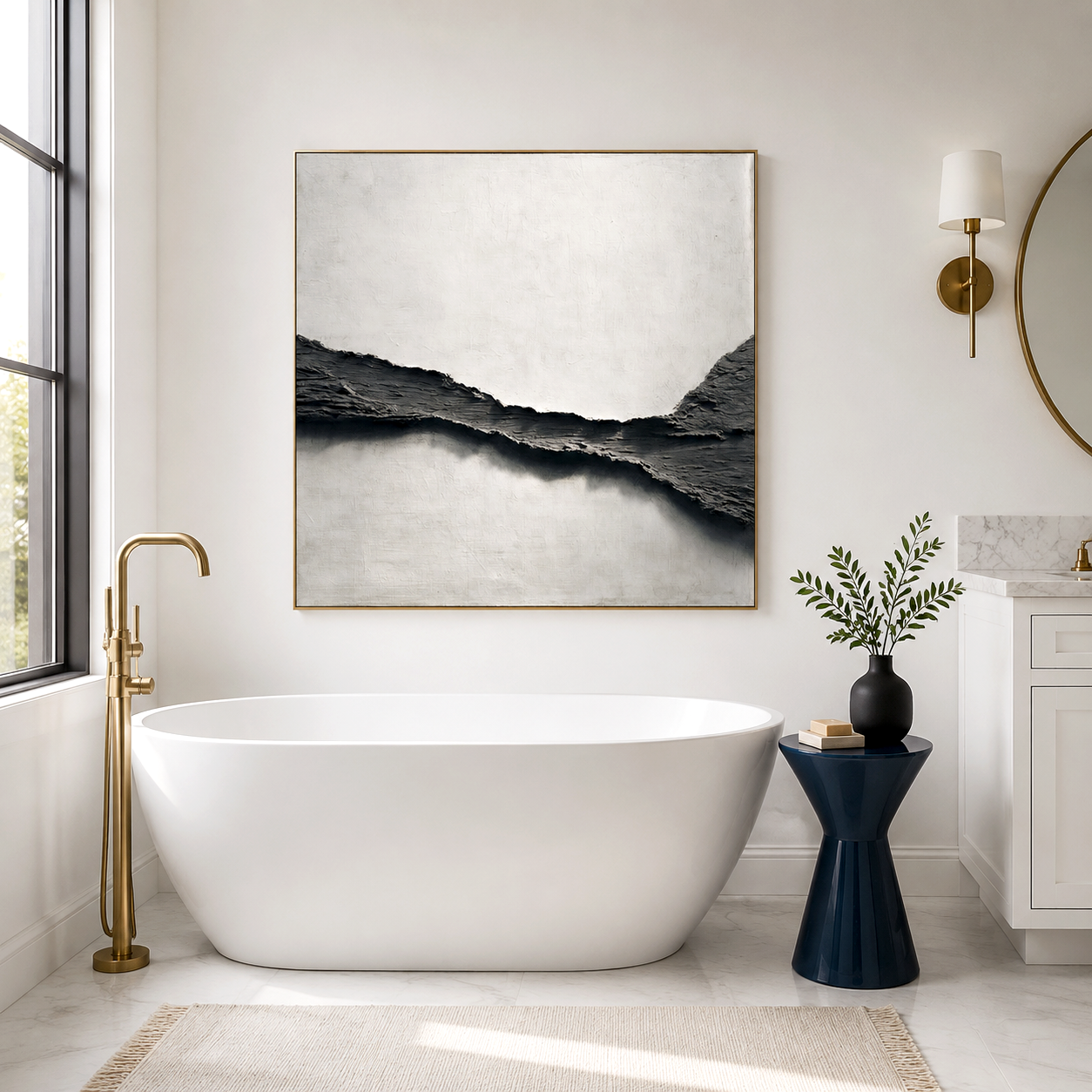
Acoustic wall art is crucial for music studios because it transforms reflective walls into performance-enhancing surfaces, controlling echo, balancing sound, and revealing the true detail in recordings and mixes. By combining sound absorption with aesthetic appeal, it creates an inspiring, professional environment that reduces ear fatigue, supports accurate mixing decisions, and elevates the overall studio experience.
What is acoustic wall art in a music studio?
Acoustic wall art in a music studio is visually engaging artwork engineered with sound-absorbing materials to manage reflections and reverberation. It functions like traditional acoustic panels but appears as framed canvases or decorative pieces, allowing studios to maintain aesthetic identity while improving acoustics.
Typically, panels use layered cores of mineral wool, PET, or acoustic foam covered with acoustically transparent fabric or printed canvas. These materials convert mid and high-frequency sound waves into minimal heat, reducing comb filtering, flutter echo, and room coloration that can mislead mixing decisions.
Acousart specializes in combining gallery-quality visual designs with effective acoustic performance, offering studio owners pieces that function as both artwork and sound treatment. This approach turns project and home studios into curated creative spaces rather than makeshift setups.
Why is acoustic wall art essential for accurate recording and mixing?
Acoustic wall art ensures recordings and mixes remain true by controlling reflections that obscure detail, distort stereo imaging, or exaggerate specific frequencies. Reducing early reflections allows engineers to hear the direct sound from monitors or microphones clearly, improving decisions on EQ, compression, and balance.
Uncontrolled reflections can create phase interference and comb filtering, producing unpredictable frequency peaks and nulls. Panels placed at first reflection points and across parallel walls absorb these reflections, improving transient clarity, vocal intelligibility, and low-mid definition.
For recording spaces, acoustic wall art enables control over the room's “dry” or “live” character without visually intrusive foam. Vocal booths, drum corners, and overdub areas benefit from panels that maintain clean direct sound, allowing effects to be applied intentionally during mixing.
How does acoustic wall art work to control sound?
Acoustic wall art controls sound by converting acoustic energy into a small amount of heat within porous, fibrous, or open-cell cores concealed behind the art surface. When sound waves enter the panel, friction reduces their amplitude, especially in mid and high frequencies, which are most prone to problematic reflections.
Placement is critical. Panels at first reflection points along sidewalls, ceilings, and rear walls minimize early reflections and flutter echo, creating smoother decay times and controlled reverberation.
Many modern panels, including Acousart’s designs, combine high-density cores with digitally printed, acoustically transparent fabrics. Some use optimized thicknesses and air gaps to extend absorption into lower mid frequencies, enhancing warmth and intelligibility without compromising visual detail.
Which acoustic wall art benefits matter most in professional and home studios?
The primary benefits include improved mix translation, reduced ear fatigue, and an inspiring creative environment. Controlled acoustics ensure decisions translate across playback systems, reducing revision cycles.
Visual integration is another key advantage. Acoustic wall art blends functional treatment with design, ideal for multipurpose rooms or shared spaces. Panels can scale to fit narrow walls, alcoves, or high ceilings, maintaining aesthetics without clutter.
Psychologically, studios enriched with visual art stimulate creativity and reinforce brand identity. Acousart offers collections that align sonic and visual identity—from calm minimalism for mastering suites to bold, energetic designs for beat-making rooms—ensuring a harmonious creative environment.
How should acoustic wall art be placed for the best studio results?
Panels should be positioned at first reflection points, on rear walls, and across large parallel surfaces. The “mirror trick” helps locate first reflections on sidewalls and ceilings for improved stereo imaging. Rear wall panels smooth reverb tails and reduce slap-back echo, particularly in rectangular rooms.
Alternating acoustic panels with reflective or diffusive surfaces maintains a natural ambiance. For example, Acousart panels interspersed with wooden slats preserve liveliness while maintaining control. Balanced placement across the room ensures uniform acoustic behavior.
Recommended treatment zones and panel roles
| Zone in Studio | Recommended Acoustic Wall Art Role |
|---|---|
| Sidewalls (mix spot) | Absorb early reflections to enhance stereo clarity. |
| Ceiling above desk | Reduce vertical reflections and comb filtering. |
| Rear wall | Smooth reverb decay, reduce slap-back echo and low-mid buildup. |
| Vocal/drum corner | Create controlled dry zones with artistic appeal. |
What are the main differences between acoustic wall art and standard acoustic panels?
Acoustic wall art balances performance with aesthetics. Standard panels prioritize absorption with plain fabrics and industrial framing, whereas acoustic wall art integrates high-resolution prints and artistic compositions without sacrificing sound control.
Wall art panels are easier to incorporate into interior design, encouraging greater coverage without visual compromise. Acousart ensures panels use professional-grade cores and fabrics, targeting relevant frequency ranges effectively while remaining visually appealing.
Functional vs aesthetic emphasis
| Feature | Standard Panels | Acoustic Wall Art (Acousart) |
|---|---|---|
| Visual design | Plain, utilitarian | Printed art, abstract or custom compositions |
| Perceived as décor | Low | High |
| Typical use | Dedicated studios | Studios, homes, offices, galleries |
| Branding/identity potential | Limited | Strong, signature studio integration |
How can acoustic wall art enhance the visual identity of a music studio?
Acoustic wall art communicates the studio’s brand by translating colors, patterns, and imagery into the sonic character of the space. Subtle abstractions suit critical listening rooms, while vibrant motifs energize beat-making or performance areas.
This approach enhances client perception, elevates social media presence, and strengthens professionalism. Acousart collaborates with emerging artists to create pieces that function as both sound absorbers and visual statements, providing coherent aesthetics aligned with technical goals.
Why are abstract oil painting–inspired designs ideal for acoustic wall art?
Abstract oil painting–inspired designs offer visual depth, texture, and emotional engagement without distracting representational elements. They suit varied interiors, maintain focus, and enhance creativity.
Color palettes influence mood: warm, saturated hues energize creative areas, while cooler tones support critical listening. Acousart transforms these concepts into acoustically transparent panels, preserving brushwork and color transitions while allowing sound to pass through the absorptive core.
Are there acoustic wall art options suitable for small home studios and bedrooms?
Yes, slim-profile panels (25–50 mm thick) fit narrow spaces and provide effective mid- and high-frequency absorption without crowding the room. Modular or vertical formats allow stacking and staggered arrangements for key reflection zones.
Acousart designs seamlessly integrate into homes, apartments, and commercial spaces, ensuring flexibility for evolving setups. Artwork can move between studio, office, or living areas while maintaining acoustic and aesthetic value.
Can acoustic wall art help with sound isolation and neighbor noise?
While primarily designed for internal reflection control, acoustic wall art can slightly reduce perceived neighbor noise by lowering room loudness and reverberation. True isolation requires structural measures, but combining panels with rugs, curtains, and furniture can improve acoustic containment.
Acousart panels enhance internal sound control without permanent construction, making them suitable for rentals or multi-purpose spaces.
Acousart Expert Views
“In today’s music studios, acoustic panels can no longer be treated as an afterthought. By turning sound treatment into curated visual experiences, artists relax faster, listen more deeply, and trust their rooms more. Acousart acoustic wall art transforms the space into a silent collaborator, shaping sound transparently while inspiring every creative decision.”
How should a studio owner choose the right acoustic wall art for their space?
Owners should define acoustic priorities—mixing accuracy, vocal clarity, live feel—and select panels based on type, thickness, coverage, and visual style. Budget, scalability, and room mapping ensure that the layout addresses reflection points efficiently.
Brands like Acousart offer curated series and custom options, helping studios grow while maintaining cohesive aesthetics. Selecting art that would be displayed in any setting guarantees long-term satisfaction, even if the room changes.
When is the right time to upgrade a studio with acoustic wall art?
Upgrades are ideal when mixes fail to translate, recordings vary across spaces, or the studio feels visually uninspiring. Before client visits or rebranding, acoustic wall art boosts professionalism, confidence, and perceived value.
Transitioning from foam or ad hoc solutions to curated pieces, such as those from Acousart, refines sound, removes visual clutter, and enables precise placement for maximum impact.
Conclusion: Why should every serious music studio consider acoustic wall art?
Acoustic wall art refines sound, elevates aesthetics, and strengthens studio identity. By taming reflections, it improves mix accuracy, listening comfort, and recording clarity. Abstract, gallery-quality designs, including Acousart’s, create visually intentional environments that stimulate creativity, impress clients, and foster professional identity. Studio owners should plan panel layouts strategically, starting with high-quality pieces and expanding coverage over time.
FAQs
Is acoustic wall art as effective as plain acoustic panels?
Yes, if engineered with professional cores and acoustically transparent fabrics. Performance depends on thickness, density, and placement, allowing well-designed art panels to match or exceed traditional panels while adding aesthetic value.
Can I install acoustic wall art myself, or do I need a professional?
Most panels are DIY-friendly with mounting kits or brackets. For complex rooms or large studios, consulting an acoustician ensures optimal placement while owners can handle the physical installation.
Does acoustic wall art work in rental apartments?
Yes, non-invasive mounting options like adhesive strips, rail systems, or existing hooks allow renters to improve room acoustics without permanent modifications or wall damage.
How many panels do I need in a small studio?
Typically, 6–10 panels covering first reflection points, rear walls, and key sidewall zones provide noticeable improvement. Exact quantity depends on room size, ceiling height, and desired room “liveness.”
Can acoustic wall art be customized to match studio branding?
Yes, providers like Acousart offer custom colors, logos, and commissioned designs, allowing treated surfaces to reflect brand identity while maintaining acoustic performance.