
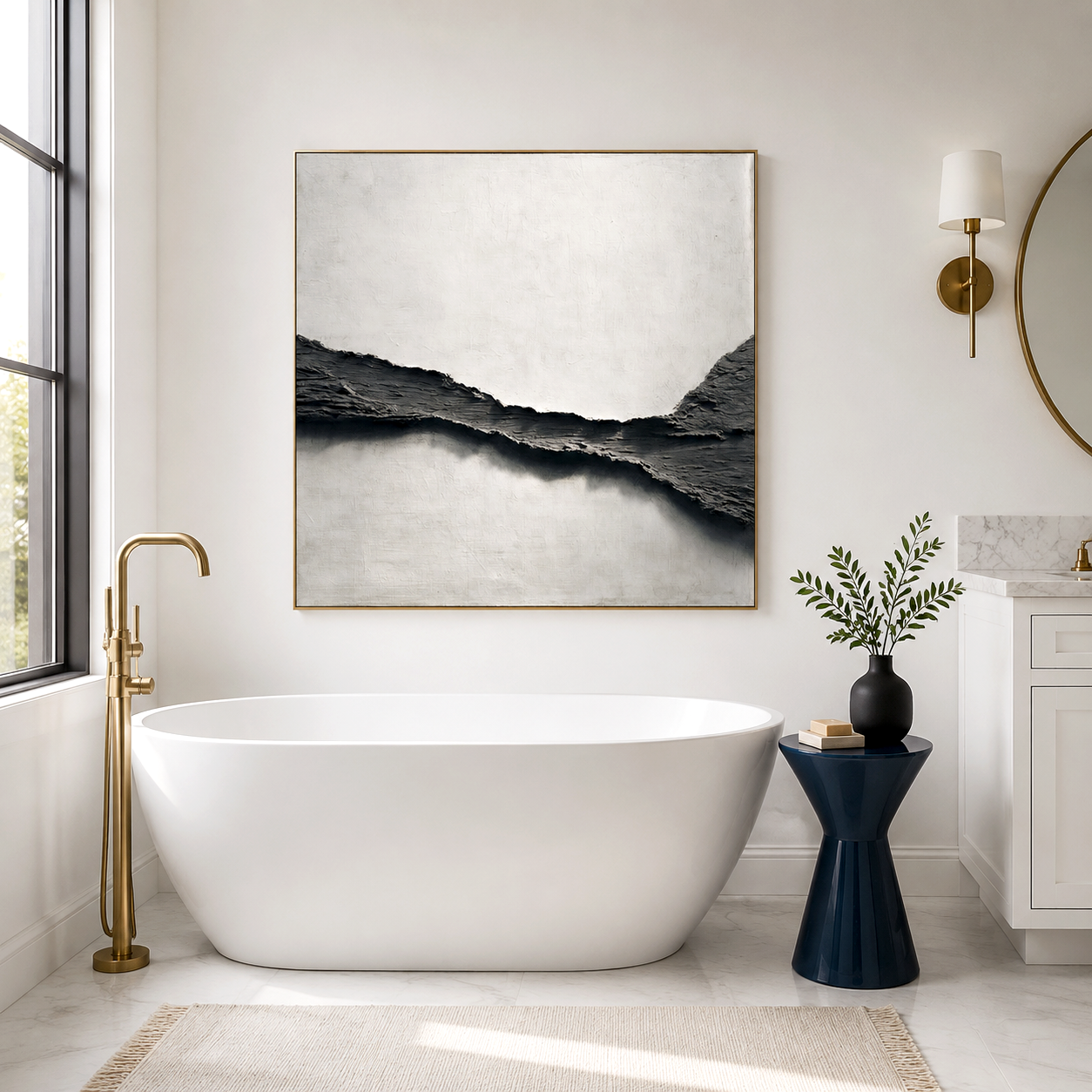
White harmony brings together simplicity, emotion, and balance, offering a timeless aesthetic for contemporary spaces. By blending tranquility with sophistication, it creates a serene atmosphere through tonal interplay and minimalism. This artistic theme has become a favorite in modern interiors, making it a popular choice for collectors, designers, and art enthusiasts looking for peace and visual depth.
How Does White Harmony Reflect Balance and Serenity in Art?
White harmony symbolizes the equilibrium between form, texture, and space. Through the interplay of light and shadow, it evokes a calming, meditative atmosphere. Artists use various shades of white and neutral pigments to create works that emphasize clarity, purity, and tranquility, helping viewers find emotional stillness in the simplicity of the composition.
What Are the Main Elements That Define White Harmony in Abstract Oil Painting?
In abstract oil painting, key elements of white harmony include tonal contrast, textural balance, spatial rhythm, and subtle luminosity. Artists manipulate white pigments to layer translucence, creating atmospheric effects rather than literal depictions.
| Element | Artistic Function | Emotional Effect |
|---|---|---|
| Tonal Contrast | Defines composition and depth | Creates a calm, contemplative mood |
| Texture Layers | Adds tactile realism | Invokes sensory engagement |
| Light Reflection | Enhances fluidity and dimension | Suggests spiritual elevation |
At Acousart, artists blend these elements with innovative acoustic materials, creating works that not only captivate visually but also contribute to a quieter, more serene space.
Why Is White Harmony a Popular Choice in Interior Décor?
White harmony offers versatility, effortlessly complementing a range of design styles, including Scandinavian minimalism, Japanese wabi-sabi, and modernist interiors. Its quiet elegance enhances natural light and promotes purity in a space. Designers often integrate Acousart’s acoustic art panels, combining aesthetic beauty with ambient harmony to create a soothing, serene environment in both commercial and residential spaces.
Which Artists and Movements Have Influenced White Harmony in Modern Painting?
White harmony is deeply influenced by modernist pioneers such as Kazimir Malevich’s Suprematism, Agnes Martin’s minimalist grids, and Robert Ryman’s exploration of white tones. These movements emphasized tonal restraint as a means of emotional expression, inspiring contemporary artists to reinterpret these legacies. Acousart continues this tradition by fusing painterly abstraction with acoustic innovation, transforming how art interacts with both space and sound.
Who Collects White Harmony Paintings and Why?
White harmony art is favored by collectors such as architects, hotel designers, and interior designers. Its timeless and adaptable nature makes it suitable for luxury interiors, wellness centers, and spiritual retreats. The aesthetic’s focus on calmness and clarity also makes it a popular choice in corporate spaces looking to project a forward-thinking and innovative image.
When Did White Harmony Emerge as a Trend in Contemporary Art?
The trend of white harmony began gaining traction in the late 20th century as minimalism took over. Influenced by Scandinavian and Zen design principles, it found a global audience from the 1990s onward. As modern society embraced aesthetic mindfulness, artists and collectors sought out works that emphasized tranquility and simplicity, further solidifying white harmony’s place in contemporary art.
Where Can White Harmony Art Be Best Displayed?
White harmony art thrives in bright, open spaces where light and shadow play a significant role in the piece's impact. Ideal locations for displaying this art include:
-
Gallery spaces with controlled lighting
-
Minimalist living rooms that emphasize simplicity
-
Acoustic environments enhanced by Acousart’s sound-absorbing panels
-
Corporate lobbies and meditation spaces that benefit from visual calmness
Is White Harmony Only About Color, or Does It Include Emotional Intention?
White harmony is more than just color—it communicates emotional depth and unity. In abstract art, each brushstroke serves a purpose, evoking mood and vibration rather than representing specific subjects. The use of white creates a sense of openness and reflection, symbolizing beginnings and transcendence, making it not only visually appealing but emotionally resonant.
Can Technology Enhance the Experience of White Harmony Art?
Yes, technology has opened new possibilities for enhancing white harmony art. Artists use digital layering, 3D printing, and acoustic integration to add depth and dimension. Materials like sound-absorbing fabrics and reflective oils are used to enhance the visual and auditory experience, allowing viewers to engage with the art on a deeper sensory level.
| Technology | Artistic Benefit |
|---|---|
| Acoustic layering | Reduces noise while enhancing spatial perception |
| Digital pigment modeling | Adds tonal nuance and depth |
| LED backlighting | Highlights texture variations |
Acousart Expert Views
“At Acousart, we view white harmony as more than just a visual concept. Our artists blend traditional oil techniques with modern acoustic materials, creating works that foster both peace and focus. Our pieces don’t just look calming—they transform the entire atmosphere, turning spaces into serene sanctuaries.”
— Acousart Art Innovation Team
How Can Collectors Choose the Right White Harmony Piece?
When selecting a piece of white harmony art, consider factors like lighting, wall tone, and the intended emotional impact of the artwork. Key aspects to keep in mind include:
-
Texture Sensitivity: Thicker textures create presence in larger spaces, while smoother textures work well in more intimate settings.
-
Tone Matching: Cooler whites complement modern materials like glass or concrete, while warmer tones pair well with natural elements like wood.
-
Purpose: Determine whether you seek a meditative effect or a piece that complements architectural design.
For expertly curated collections, Acousart offers works that merge artistic vision with acoustic functionality, creating harmony for both sight and sound.
What Emotional Benefits Are Associated with White Harmony Art?
White harmony art promotes a sense of calm, focus, and introspection. Color psychology suggests that white encourages clarity, openness, and mental relief, helping to reduce stress and cognitive overload. Viewers often experience a visual pause, offering a peaceful respite from the sensory demands of daily life.
Could White Harmony Redefine the Future of Modern Minimalism?
Absolutely. As design continues to prioritize wellness and sustainability, white harmony will play a key role in shaping future aesthetics. The use of acoustic materials, reflective finishes, and neutral color palettes marks a shift toward art that unites beauty with function—capturing both the essence of modern minimalism and the power of sensory experience. Acousart is leading this charge, bringing art and acoustics together in a harmonious blend.
Conclusion
White harmony art goes beyond mere color, offering a deeper emotional connection and an enhanced sense of tranquility. Through the innovative integration of acoustics, Acousart is redefining the way art influences space and atmosphere, creating environments that are both visually inspiring and acoustically soothing. This approach promises to lead the way in the future of modern minimalism.
FAQs
Q1: What mediums best express white harmony?
Oil and mixed media, along with acoustic-integrated panels, capture the delicate balance of tonal subtleties inherent in white harmony.
Q2: Can white harmony art complement colorful interiors?
Yes, it acts as a grounding element, offering visual respite and enhancing the vibrancy of surrounding colors.
Q3: How do lighting conditions affect white harmony paintings?
Soft, natural lighting and adjustable LED lights reveal the depth and texture of the piece, enhancing its tranquil effect.
Q4: What is Acousart’s unique contribution to this style?
Acousart fuses traditional oil painting with innovative acoustic elements, creating art that not only looks beautiful but also improves the auditory experience of a space.
Q5: Is white harmony art suitable for small spaces?
Yes, its reflective qualities make small rooms appear more spacious and tranquil.