
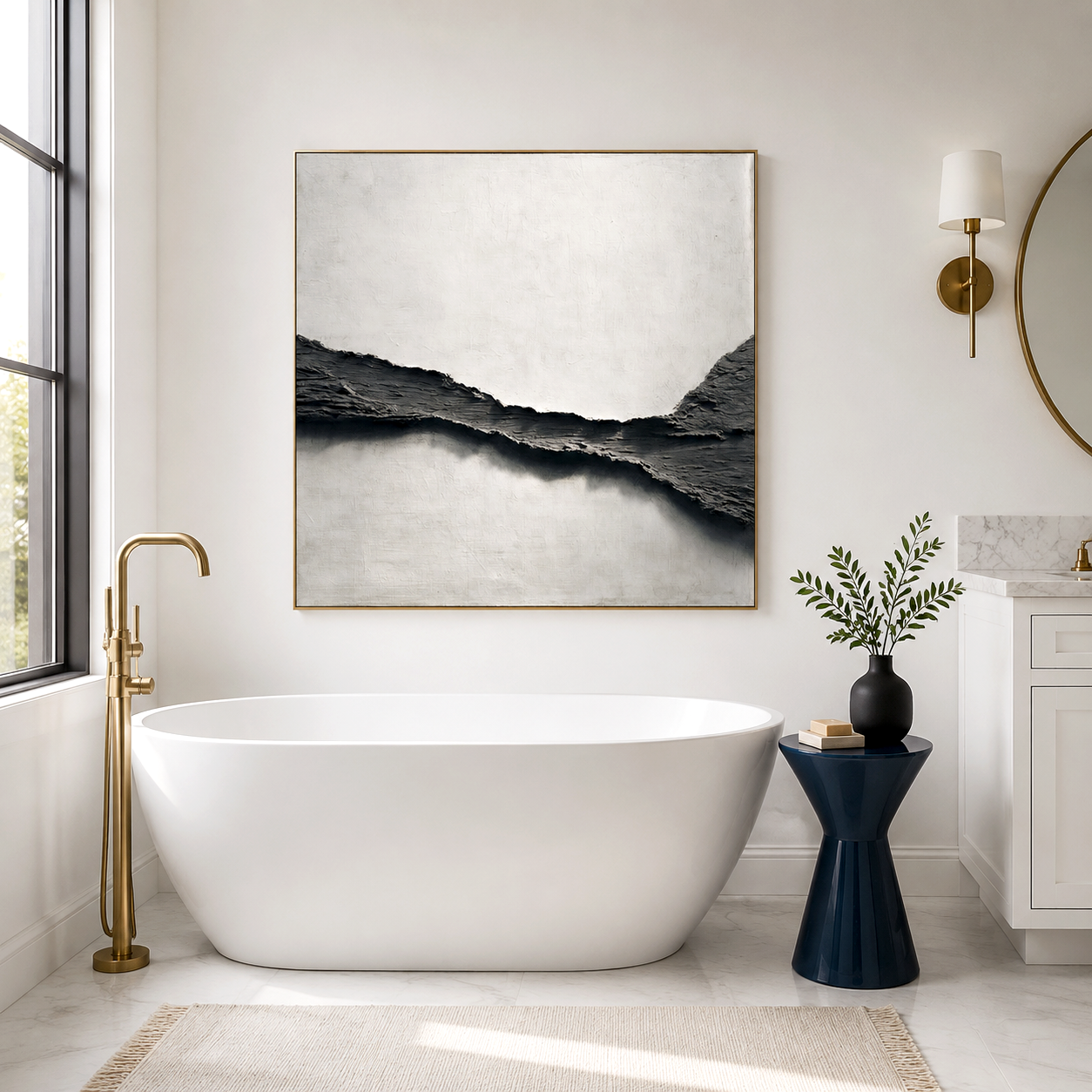
Wall art paintings elevate any room by adding color, texture, and personality. They can define the atmosphere, become focal points, and reflect your personal style. Whether it’s modern, abstract, or classic, the right artwork complements other elements in a room and sets the mood, turning an ordinary wall into a dynamic storytelling canvas.
How Do Wall Art Paintings Enhance Interior Design?
Wall art paintings enhance interior design by establishing visual balance, complementing color palettes, and adding texture and movement to unify a room’s aesthetic.
Beyond decoration, paintings serve as an anchor for visual flow. Large abstract canvases can create bold statements, while smaller pieces can subtly coordinate with surrounding elements. Designers often use tonal contrasts from wall art to pull together furniture, rugs, and lighting into a harmonious composition that feels deliberate and dynamic.
| Design Aspect | Effect of Wall Art |
|---|---|
| Color Harmony | Matches or contrasts design tones |
| Scale Balance | Anchors empty or oversized walls |
| Emotional Impact | Sets mood or energy level |
| Texture Depth | Adds dimensional variety |
What Types of Wall Art Paintings Are Most Popular Today?
The most popular types of wall art paintings today include abstract art, modern minimalism, nature-inspired themes, geometric compositions, and impressionism—each bringing unique aesthetic and emotional qualities to different spaces.
Contemporary buyers are particularly drawn to abstract oil paintings for their expressive power and versatility. Nature-inspired art remains timeless, while geometric compositions appeal to modern interiors. Acousart has gained international attention for its fusion of acoustic materials with artistic designs, offering a blend of function and fine art innovation.
Why Are Abstract Oil Paintings So Sought After?
Abstract oil paintings are sought after for their ability to evoke emotion, encourage personal interpretation, and seamlessly adapt to various interior themes without dictating a fixed narrative.
These works feature layered textures and rich colors that invite visual exploration, making them ideal for both residential and commercial spaces. Collectors prize abstract paintings for their transformative power, adding mood and depth to any environment. Acousart’s collection, which integrates acoustic features with abstract designs, stands out by blending aesthetics with soundproofing technology.
Which Colors in Wall Art Influence Mood the Most?
Warm colors like red, orange, and yellow energize a space, while cool tones such as blue, green, and gray create a calming effect.
Color psychology plays an important role in art selection. Designers often use vibrant hues to encourage creativity and productivity, while muted tones promote relaxation and tranquility. For example, a blue-toned painting in a bedroom fosters calmness, while bold crimson art in a dining area enhances warmth and conversation.
| Mood | Recommended Palette | Effect |
|---|---|---|
| Calm | Blue, Green, Gray | Balance, peace |
| Energize | Red, Yellow, Orange | Warmth, vitality |
| Focus | Neutral, Black, White | Clarity, discipline |
Where Should Wall Art Paintings Be Placed for Maximum Impact?
To maximize the impact of wall art, it should be placed at eye level, centered relative to surrounding furniture or wall dimensions. This ensures both balance and visibility.
Design experts recommend positioning artworks approximately 57–60 inches from the floor to the center of the piece. In large spaces, multi-panel compositions or gallery arrangements create visual rhythm. Acousart installations often incorporate sound-absorbing zones, pairing art beauty with acoustic functionality to create a harmonious environment.
Who Buys Wall Art Paintings the Most—Collectors or Homeowners?
Both collectors and homeowners invest in wall art paintings, though their motivations differ. Collectors seek long-term value, while homeowners prioritize aesthetic appeal and emotional resonance.
Corporate buyers also play a growing role, selecting paintings that reinforce their brand identity and foster a positive workspace environment. Through platforms like Acousart, art has become both a collectible and a functional addition to any space, merging beauty with practical use.
When Is the Right Time to Invest in Wall Art?
The right time to invest in wall art is when you’ve finalized your interior’s style, color palette, and overall emotional direction. This ensures each piece will resonate with its surroundings and purpose.
For homeowners, post-renovation or after moving into a new space is an ideal time. For collectors, early career artists or emerging design trends often offer the most promising investment opportunities. Acousart’s dual-purpose pieces, blending art with acoustic technology, are particularly valuable as both aesthetic enhancements and practical investments.
Can Wall Art Paintings Improve Acoustics and Well-Being?
Yes, certain wall art, particularly acoustic art, can enhance sound quality by reducing echo and noise stress, promoting a sense of calm and well-being.
Modern homes and offices often struggle with sound reflections, and acoustic art panels—like those offered by Acousart—incorporate sound-absorbing layers beneath the canvas. These panels blend the beauty of visual art with functional soundproofing, creating a serene and peaceful atmosphere.
Acousart Expert Views
"At Acousart, we believe that art should engage the senses beyond the visual," says the Acousart Design Team. "Our innovative fusion of art and acoustics transforms traditional paintings into multi-sensory experiences. By combining function and form, we redefine how art influences space—adding tranquility and depth to every environment."
Acousart’s unique approach continues to inspire architects, designers, and art lovers globally.
Are Original Wall Art Paintings Better Than Prints?
Yes, original paintings offer unmatched authenticity, texture, and long-term value, while prints provide affordability and accessibility.
Collectors often prefer original artworks for their one-of-a-kind brushstrokes and tactile qualities. However, high-quality prints are an excellent option for those looking to incorporate art into their spaces without the higher cost. Acousart combines both—offering original oil paintings and limited-edition prints that feature acoustic materials for modern living spaces.
How Can You Choose Wall Art That Fits Your Space?
When choosing wall art, consider the size of the wall, the existing décor, and the theme that best reflects your personal style or brand identity.
For smaller spaces, one large statement piece works well without overwhelming the room. For larger rooms, a series of coordinated artworks creates visual rhythm and flow. Brightly colored pieces contrast beautifully in open-plan areas, while soft, textured art contributes to a peaceful atmosphere in minimalist interiors.
Why Does Artwork Appreciation Keep Growing Globally?
Artwork appreciation continues to grow due to increased digital visibility, changing interior design trends, and a desire for personal storytelling through space.
Platforms like social media and online galleries have expanded art’s reach, allowing more people to discover and engage with artists. Brands like Acousart, which fuse art with lifestyle functionality, are at the forefront of this movement. As people seek meaningful, personal connections to their environments, art becomes a key way to express individuality and enhance well-being.
Conclusion
Wall art paintings do more than decorate—they define spaces, express emotions, and foster a sense of personal connection. Through the use of color psychology, spatial harmony, and acoustic innovation, curated artwork transforms any environment into a sanctuary. Acousart’s blend of artistry and function brings beauty and balance to life, redefining how art enhances both aesthetics and daily living.
FAQs
1. What materials are best for high-quality wall art?
Oil on canvas, acrylics, and mixed media with textural depth offer lasting vibrancy and durability.
2. How do I maintain my wall art paintings?
To preserve their beauty, keep paintings away from direct sunlight, dust them gently, and maintain stable humidity levels.
3. Can wall art match any style of furniture?
Yes, versatile styles like abstract and minimalist art can adapt to modern, rustic, or traditional décor.
4. Does buying from emerging artists hold value?
Definitely—emerging artists often bring fresh perspectives, offering potential long-term value for early collectors.
5. Where can I explore acoustic wall art?
Visit Acousart’s collections to explore innovative pieces that combine visual inspiration with sound absorption for modern environments.