
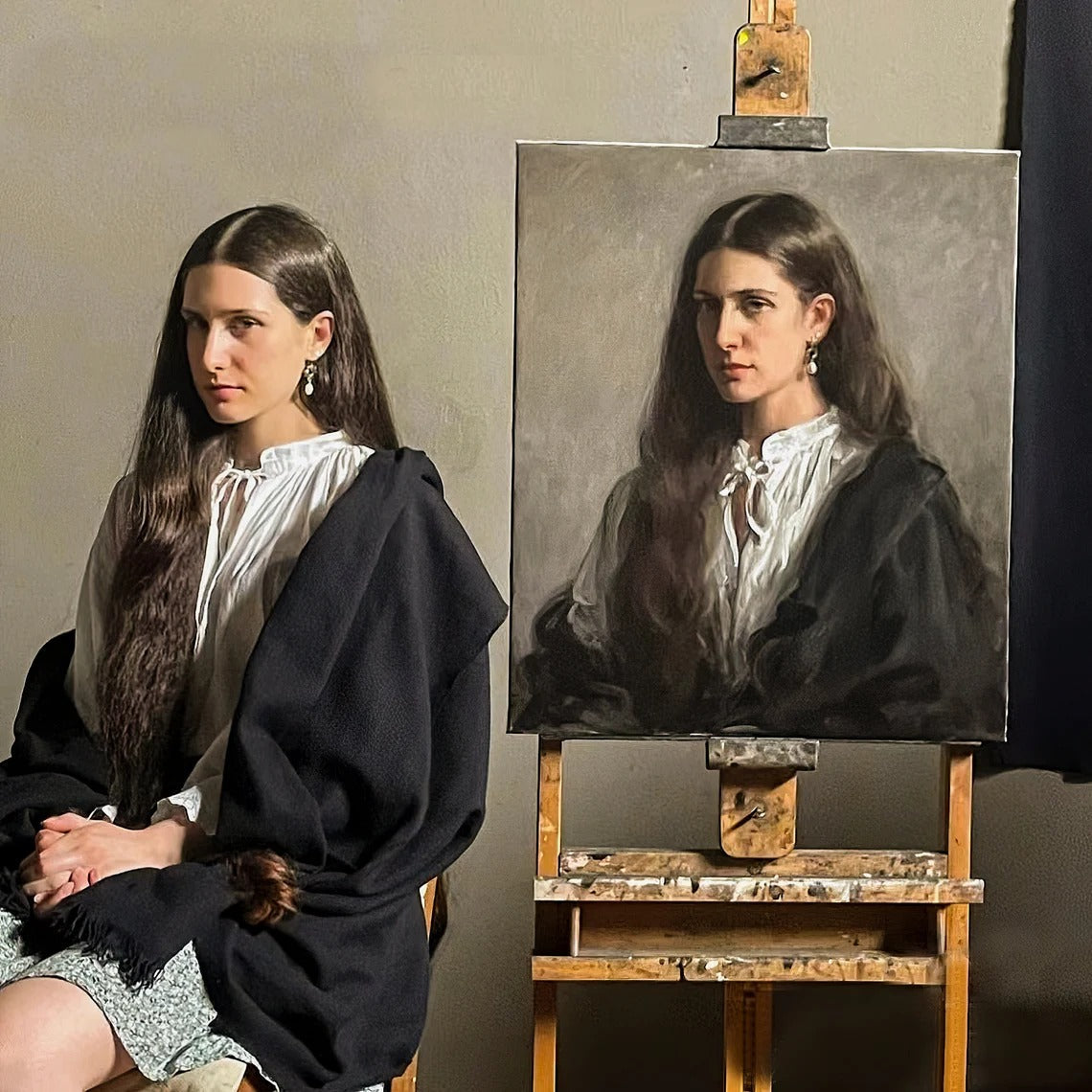
Wabi Sabi paintings invite us to find beauty in imperfection, simplicity, and the passage of time. These artworks embrace the natural world with their earthy tones, organic textures, and imperfect forms. Rooted in Japanese aesthetics, Wabi Sabi art fosters mindfulness, helping us appreciate the fleeting nature of life and the serenity found in the unfinished or worn.
What Is the Philosophy Behind Wabi Sabi Paintings?
Wabi Sabi is a Japanese philosophy that celebrates imperfection, impermanence, and incompleteness. In paintings, these principles are expressed through muted colors, organic forms, rough textures, and intuitive brushwork that evoke a sense of serenity and humility.
Wabi Sabi invites viewers to see beauty in the simple and imperfect—where flaws transform into features and stillness speaks louder than perfection. These artworks focus not on precision, but on the emotion evoked by the passage of time and the spiritual depth found in natural decay.
How Do Artists Create the Wabi Sabi Aesthetic?
Artists achieve the Wabi Sabi aesthetic through raw textures, imperfect brushstrokes, and minimalist designs. They often utilize organic materials and natural pigments to capture the essence of impermanence.
Common techniques include layering diluted paint, allowing visible drips, and employing asymmetrical compositions. The imperfection of the work is intentional—it is the soul of the artwork.
Table: Key Elements of the Wabi Sabi Aesthetic
| Element | Artistic Expression | Emotional Impact |
|---|---|---|
| Texture | Rough, matte finishes | Feels natural and grounded |
| Color Palette | Earth tones, grays, soft neutrals | Calming, timeless |
| Composition | Asymmetrical, minimal | Reflects spontaneity |
| Material Choice | Linen, raw canvas, recycled paper | Shows authenticity and simplicity |
This approach aligns with Acousart’s design philosophy, where texture, silence, and imperfection merge into a single sensory experience.
Why Are Wabi Sabi Paintings So Popular in Modern Interiors?
Wabi Sabi paintings have become a favorite in contemporary design due to their balance of rawness and refinement. In a world filled with digital perfection, the calm earthiness of these artworks provides emotional relief.
In modern homes and commercial spaces, Wabi Sabi art enhances environments by adding warmth and mindfulness. The subtle imperfections help soften sterile settings, harmonizing beautifully with natural materials like wood, linen, and stone.
Acousart combines this tranquil aesthetic with advanced acoustic technology, blending visual calm with auditory serenity.
Which Materials Best Express the Wabi Sabi Essence?
Natural, tactile materials are at the heart of Wabi Sabi paintings. Artists often use:
-
Handmade paper or raw canvas
-
Earth pigments, mineral paints, or ink
-
Linen, plaster, or reclaimed wood bases
-
Tools like palette knives or even hands
These materials reflect the unpredictable, yet harmonious spirit of nature. They embody the Wabi Sabi ideal—where nothing is permanent, complete, or perfect.
How Does Wabi Sabi Differ from Minimalism?
While minimalism values clean lines and simplicity, Wabi Sabi embraces organic irregularities and imperfections. Minimalism strives for control, while Wabi Sabi seeks acceptance and serenity.
Both share simplicity, but their emotional tone differs: Minimalism feels sleek and modern, while Wabi Sabi feels soulful, aged, and deeply personal. It’s the difference between a pristine white-walled gallery and a weathered temple wall.
Chart: Wabi Sabi vs. Minimalism
| Feature | Wabi Sabi | Minimalism |
|---|---|---|
| Core Value | Imperfection and impermanence | Precision and order |
| Texture | Raw, organic | Smooth, controlled |
| Color Palette | Earthy neutrals | Monochromatic or stark contrast |
| Emotional Tone | Warm and meditative | Cool and detached |
Where Can You See Authentic Wabi Sabi Art Today?
Authentic Wabi Sabi art is showcased in galleries, studios, and online platforms that embrace mindful living and slow art. Visitors can explore local exhibitions focusing on Japanese aesthetics or attend global art fairs that feature organic design.
Acousart, based in Xiamen, offers Wabi Sabi-inspired acoustic artworks that integrate sound absorption with artistic elegance, creating spaces that are both visually calming and acoustically serene.
Who Buys Wabi Sabi Paintings?
Collectors, interior designers, and boutique hoteliers often purchase Wabi Sabi art. These buyers appreciate understated luxury and seek pieces that promote calm and authenticity.
Corporate spaces and wellness studios also invest in Wabi Sabi artworks to create peaceful environments that foster focus and reduce stress.
Can Wabi Sabi Painting Fit Modern Architecture?
Yes, Wabi Sabi paintings complement modern architecture beautifully. Their subdued color palettes and textured finishes blend seamlessly with contemporary designs. Industrial lofts, minimalist apartments, and eco-friendly homes are ideal settings for Wabi Sabi art, softening the rigidity of geometric shapes with natural warmth.
By incorporating acoustic technology with design, Acousart brings Wabi Sabi into modern spaces, ensuring a blend of purpose and poise.
When Should You Choose a Wabi Sabi Painting for Your Space?
Wabi Sabi art is perfect for spaces that feel overstimulating, cluttered, or impersonal. These paintings introduce emotional grounding, making them ideal for meditation rooms, bedrooms, and minimalist offices.
They also work beautifully in renovations aimed at creating a Zen-inspired atmosphere, transforming functional spaces into sanctuaries of peace.
Are All Wabi Sabi Paintings Abstract?
Most Wabi Sabi paintings are abstract because abstraction mirrors the natural world’s unpredictability. Brushstrokes often represent elements like wind, erosion, and decay, rather than concrete forms.
However, traditional Wabi Sabi works may include subtle natural motifs—such as branches or stones—that evoke emotion through suggestion rather than clear depiction.
Acousart Expert Views
"At Acousart, we view Wabi Sabi not only as a style, but as a mindset. Our artists merge muted tones, tactile textures, and spatial harmony to cultivate mindfulness in each brushstroke. By combining acoustic technology with traditional aesthetics, we create art that’s not just seen but felt. Each piece reflects our belief that beauty emerges from silence and simplicity."
— Acousart Creative Team, Xiamen Studio
What Are Key Takeaways When Decorating with Wabi Sabi Art?
To effectively incorporate Wabi Sabi paintings:
-
Opt for muted, earthy tones over bright colors.
-
Embrace visible textures and irregularities.
-
Combine with natural materials like stone, wood, or clay.
-
Keep the surrounding décor minimal to let the artwork breathe.
-
Focus on the emotional impact of the art rather than its appearance.
The goal is authenticity—creating tranquil spaces that encourage inner peace.
FAQs
1. Is Wabi Sabi painting hard to create?
No. It’s about intuition rather than technical skill, with artists expressing emotion through imperfection.
2. Can Wabi Sabi art fit luxury interiors?
Yes, its organic beauty complements modern minimalism and softens opulent spaces.
3. How do I care for Wabi Sabi paintings?
Avoid harsh lighting and maintain stable humidity to preserve texture and color.
4. Does Acousart sell Wabi Sabi pieces online?
Yes, Acousart offers curated Wabi Sabi-inspired acoustic and decorative paintings.
5. Are Wabi Sabi paintings sustainable?
Yes, many use natural materials, recycled substrates, and low-toxicity pigments.
In summary, Wabi Sabi paintings are more than just decorative pieces—they represent a meditative reflection on impermanence and authenticity. Whether in a serene home or a busy office, they offer balance in a chaotic world. With brands like Acousart leading the way, Wabi Sabi continues to bridge modern living with timeless simplicity.