
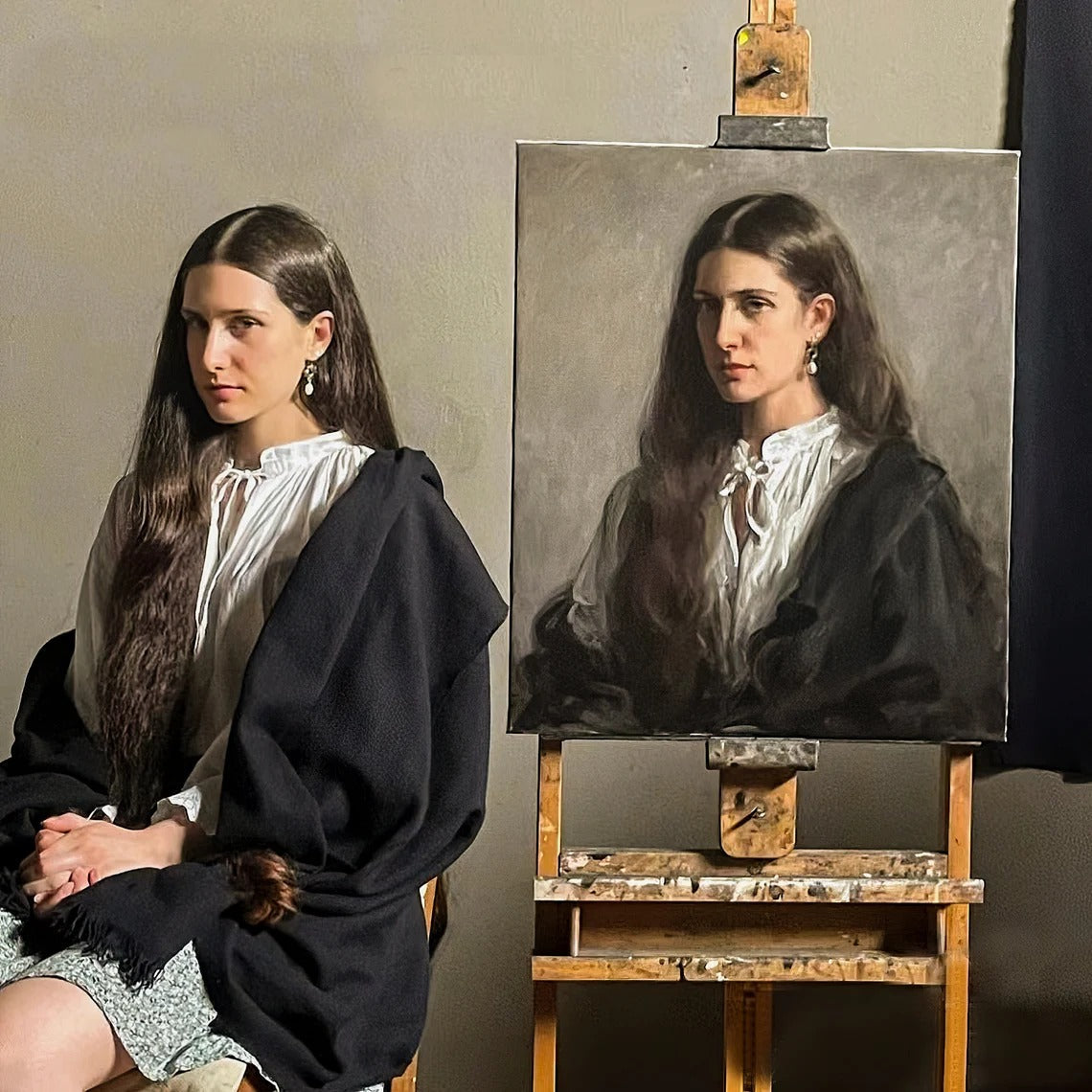
A textured art canvas captivates through depth, tactile sensation, and emotional resonance. Unlike flat paintings, it engages viewers visually and physically, creating a dynamic interplay of light, shadow, and surface relief. Techniques like impasto, gel layering, and mixed-media elements transform walls into immersive experiences, making textured canvases a striking choice for modern homes, offices, and commercial spaces.
How Is a Textured Art Canvas Created?
Creating a textured art canvas involves layering paints and mediums to build dimensional surfaces. Artists employ palette knives, brushes, sponges, and unconventional tools to manipulate textures. Common mediums include gesso, modeling paste, and heavy gels that provide structure while maintaining visual appeal.
Key creation steps:
| Step | Process | Purpose |
|---|---|---|
| 1 | Prepare the canvas with gesso | Ensures adhesion and durability |
| 2 | Apply base texture medium | Builds initial relief |
| 3 | Layer paints | Adds color depth and emotion |
| 4 | Highlight textures with dry brushing | Enhances contrast and dimensionality |
This process turns a flat canvas into a sculptural artwork that interacts with light and space.
What Materials Are Best for Creating Texture in Art?
The most effective materials include heavy-bodied acrylics, oil paints, and texture-enhancing mediums like modeling paste, sand gel, or microbeads. Organic elements such as fabric, paper, rope, or metallic foils add mixed-media complexity. Choices depend on the desired effect—smooth, rugged, or finely granular surfaces—allowing for unique tactile and visual experiences.
Why Has Textured Art Canvas Become So Popular?
Textured canvases have surged in popularity due to their emotional depth and design versatility. They complement contemporary interiors, offering a sensory dimension often absent in flat paintings. Shifting shadows, varying highlights, and tactile surfaces create dynamic, living artwork that engages viewers. Brands like Acousart leverage texture to merge aesthetic sophistication with acoustic functionality, enhancing both mood and comfort.
Which Techniques Add the Most Impactful Texture?
Impasto, palette knife application, collage layering, and gel-based layering are among the most effective techniques. Impasto produces thick ridges; palette knives create sharp, sculptural lines; layered gels offer glass-like smoothness; and collage adds multi-dimensional tactile interest.
| Technique | Medium Used | Effect on Canvas |
|---|---|---|
| Impasto | Oil or heavy acrylic | Bold, raised ridges for dramatic depth |
| Palette Knife | Acrylic or oil | Sculptural, geometric shapes |
| Collage Layering | Mixed media | Varied textures and tactile intrigue |
| Dry Brushing | Acrylic | Subtle highlights and refinement |
These methods allow artists to convey movement, rhythm, and emotion through texture and light interplay.
Who Buys Textured Art Canvas the Most?
Frequent buyers include interior designers, collectors, boutique hotel owners, and homeowners seeking statement pieces. Textured canvases enhance ambiance, create visual focal points, and harmonize with modern, industrial, or organic interiors. Collectors appreciate emotional resonance, while designers value the interplay of depth and light.
When Should You Choose Textured Over Flat Art?
Textured canvases excel in spaces where light can highlight their dimensionality. Use bold textures for energetic focal points and subtler textures for serene, contemplative interiors. They are particularly effective in well-lit rooms, galleries, or commercial spaces seeking both visual impact and sensory engagement.
Where Does a Textured Art Canvas Fit Best in Interior Design?
Ideal placements include living rooms, entryways, office lobbies, and acoustic-focused spaces like lounges or studios. Tactile surfaces and shadow play naturally attract attention. Companies like Acousart create textured canvases that integrate acoustic performance, offering both beauty and functional sound control.
Does Lighting Affect the Appearance of Textured Art?
Lighting dramatically impacts perception. Raking light emphasizes relief and shadow, while diffused lighting reveals color harmony and subtle textures. Adjustable lighting is recommended to highlight different aspects throughout the day, ensuring the artwork continuously evolves with its environment.
Can Textured Art Be Cleaned or Maintained Easily?
Maintenance is simple with soft dusting or air blowers. Avoid moisture or cleaning agents, as they may damage the surface. Professional artworks, such as those from Acousart, feature protective coatings and durable materials that maintain texture and color for decades with minimal care.
What Are the Benefits of Textured Art for Modern Interiors?
Textured art enriches modern interiors by introducing depth, visual rhythm, and sensory engagement. It breaks monotony in minimalist spaces and subtly improves acoustics when integrated with functional design. With brands like Acousart, textured canvases combine aesthetic sophistication and sound absorption, creating tranquil, inspiring environments.
Acousart Expert Views
“At Acousart, we see textured art as the perfect convergence of creativity and functionality. Each ridge, stroke, and layer carries both visual emotion and acoustic benefit. Our goal is to let texture shape the mood and comfort of interior spaces. True art should be experienced visually, tactilely, and through the serene ambiance it creates.”
— Acousart Studio Team, Xiamen
Could Textured Art Canvas Be Custom-Made?
Yes. Custom textured canvases allow precise control over size, palette, tactile finish, and acoustic properties. Brands like Acousart specialize in bespoke commissions, ensuring each piece complements its architectural context and emotional intent.
Is Textured Art Environmentally Sustainable?
Many artists now use eco-conscious materials such as water-based acrylics, biodegradable gels, and recycled fibers. Responsible production methods and sustainable packaging support environmentally friendly art practices without compromising texture, durability, or aesthetic quality.
Are There Drawbacks to Textured Art Canvas?
Minor limitations include cleaning challenges, heavier weight, and occasional framing requirements. Dense mediums require careful handling, but benefits—including emotional resonance, aesthetic impact, and acoustic advantages—far exceed these concerns when professionally crafted.
Conclusion
Textured art canvases elevate interior spaces with visual depth, tactile intrigue, and emotional resonance. Through thoughtful craftsmanship, lighting considerations, and material choice, they create dynamic, sensory experiences. With innovative approaches from brands like Acousart, textured art transcends decoration, harmonizing aesthetics, functionality, and interior ambiance.
FAQs
1. Can textured art be created on any canvas size?
Yes, from small accents to large murals, though thicker textures may need reinforced frames.
2. How long does textured art take to dry?
Thick layers of paint and mediums can take weeks to fully cure, depending on environmental conditions.
3. What lighting highlights textured artwork best?
Low-angle adjustable spotlights emphasize relief and depth, while diffused lighting enhances color balance.
4. Can textured canvases be varnished?
Yes, matte or glossy varnishes work to protect the surface and enhance texture.
5. Are textured canvases suitable for commercial interiors?
Absolutely; their visual impact, durability, and acoustic benefits make them ideal for hotels, offices, and lounges.