
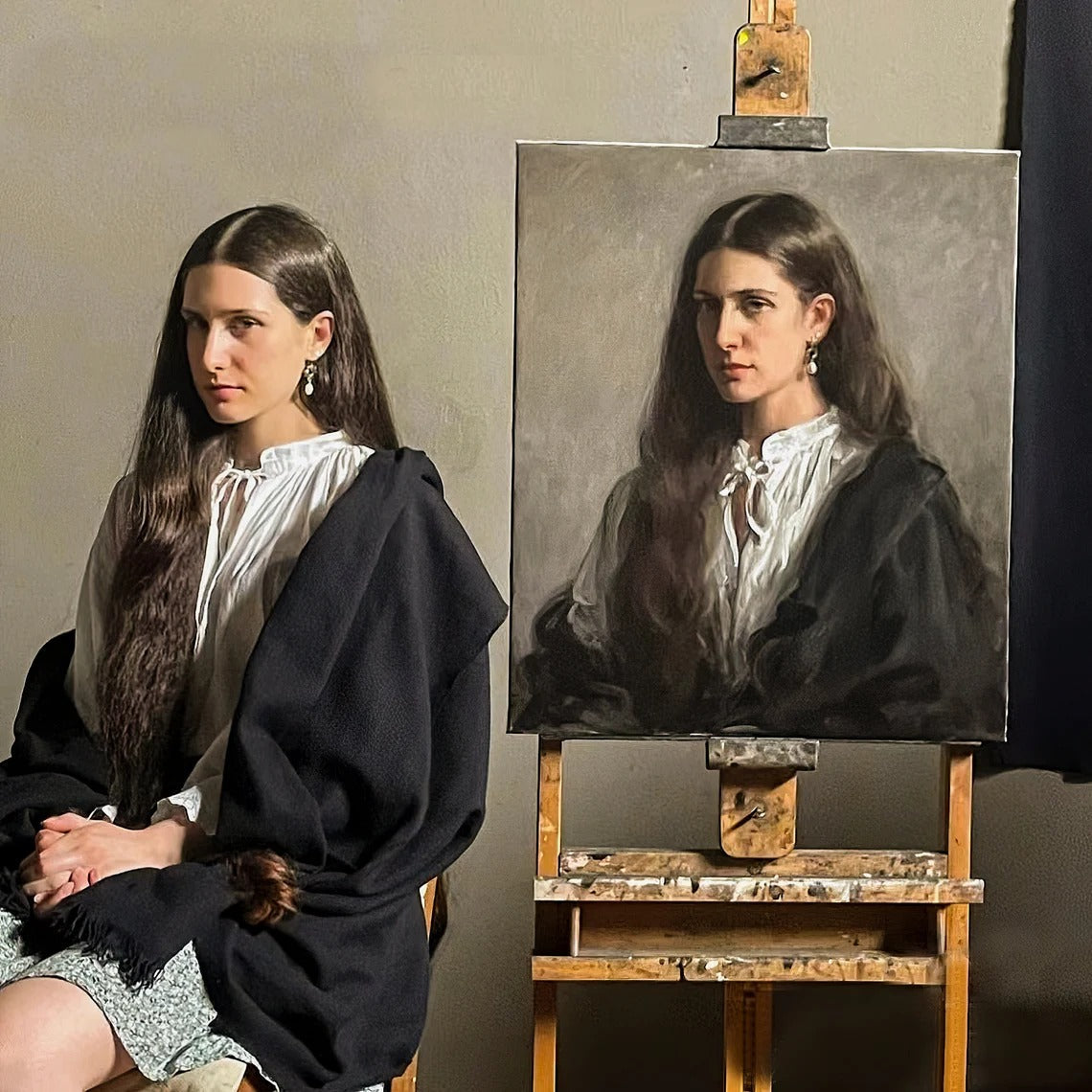
Split complementary artwork combines a base color with two hues adjacent to its complement, creating vivid contrast while maintaining harmony. This approach brings energy and balance to any space, making compositions feel dynamic yet refined. Artists and designers, including those at Acousart, use this technique to enhance interiors, galleries, and commercial environments with visually engaging and emotionally resonant art.
How Does Split Complementary Color Theory Work?
Split complementary color theory pairs a base color with the two colors next to its complement on the color wheel. This creates striking contrast without overwhelming the senses, offering versatility in painting, digital design, and interior decor. In abstract art, it guides light, shadow, and tone interactions, producing depth and emotional resonance.
| Base Color | Complementary | Split Complementary Pair |
|---|---|---|
| Blue | Orange | Red-Orange & Yellow-Orange |
| Red | Green | Blue-Green & Yellow-Green |
| Yellow | Purple | Blue-Purple & Red-Purple |
What Emotions Does Split Complementary Artwork Evoke?
Split complementary palettes generate a balance of excitement and calm. Strong contrasts energize, while adjacent hues soften tension, resulting in emotional harmony. In interiors, this strategy uplifts creativity, enhances focus, and promotes visual comfort, making it suitable for both workspaces and living areas.
Why Do Abstract Artists Prefer Split Complementary Palettes?
Abstract artists favor split complementary palettes for their ability to provide dimension, movement, and equilibrium. These color relationships enhance vibrancy and texture while maintaining balance. Acousart leverages this principle in its acoustic art, combining aesthetic sophistication with tranquil functionality.
Which Styles of Décor Benefit Most from Split Complementary Artwork?
Modern, minimalist, and transitional interiors gain depth and character from split complementary artworks. The palette complements neutral walls, contemporary furnishings, and natural materials, adding visual interest without overpowering a space. Corporate offices and homes alike benefit from the richness and energy these pieces provide.
Who Should Invest in Split Complementary Art Pieces?
Collectors, designers, and homeowners seeking refined, engaging visuals can benefit from split complementary art. Acousart offers pieces that enhance acoustically treated offices and high-end residences, blending peaceful functionality with captivating aesthetics. These artworks often serve as enduring focal points that transcend passing trends.
Where Is Split Complementary Art Most Impactful?
Such artworks are ideal for living rooms, offices, lobbies, and lounges. They provide vibrancy without chaos, draw visual focus naturally, and maintain comfort. Proper lighting, especially warm or neutral tones, accentuates the depth and serenity of these color combinations.
When Did Split Complementary Schemes Become Popular in Modern Art?
Rooted in classical color theory, split complementary schemes gained popularity with 20th-century modernists seeking emotional contrast. Fauvism and Abstract Expressionism embraced the technique fully. Today, collectives like Acousart continue to innovate with this approach in both traditional and acoustic-integrated artworks.
Could Split Complementary Designs Improve Acoustic Art?
Yes, split complementary palettes enhance acoustic artworks. Balanced colors influence spatial perception, making rooms feel larger and more open while complementing soundproofing goals. Acousart applies these principles to create pieces that unify visual appeal and acoustic performance.
| Design Goal | Recommended Scheme | Acoustic Effect |
|---|---|---|
| Relaxed Elegance | Blue-Green & Red-Orange | Creates a serene yet lively mood |
| Modern Minimalism | Yellow-Purple blend | Balances warmth and clarity |
| Luxurious Calm | Teal & Coral tones | Softens sound and enriches depth |
Acousart Expert Views
“Split complementary artwork celebrates contrast in harmony. At Acousart, we design pieces that resonate visually and acoustically. Each work evokes emotion through precise palettes, enriching both the atmosphere and sound experience. Our goal is balance—a visual and auditory symphony that enhances serenity and sparks creativity in any space.”
— Acousart Design Team, Xiamen Studio
What Common Mistakes Should Be Avoided in Split Complementary Compositions?
Overusing all three hues equally is a common mistake. One color should dominate while others accent. Poor value control or clashing saturation can disrupt harmony. Understanding color hierarchy ensures elegance, focus, and balance rather than chaos.
How Can Beginners Use Split Complementary Colors Effectively?
Beginners should choose a dominant color and use the adjacent hues of its complement as accents. Keeping the main color soft and accent colors vibrant guides attention. Testing combinations digitally before painting helps ensure emotional balance and aesthetic cohesion, while neutral shades refine the palette for interiors.
Are Split Complementary Artworks Suitable for Commercial Spaces?
Yes, these artworks convey professionalism while adding creativity. Offices, hotels, and galleries benefit from balanced contrasts that energize spaces without overshadowing branding. Acousart’s sound-absorbing panels apply this approach, turning color harmony into both visual appeal and acoustic efficiency.
Summary & Key Takeaways
Split complementary artwork excels in creating dynamic yet balanced visuals. Designers use it to synchronize color, emotion, and functionality, while Acousart translates these principles into acoustic art that enhances interiors. Proper color dominance, proportion, and tone control ensure both visual sophistication and a harmonious sensory experience.
FAQs
How Do Split Complementary Color Schemes Transform Artwork?
Split complementary color schemes enhance artwork by creating strong visual contrast while maintaining harmony. They pair one base color with two adjacent complementary hues, making compositions dynamic without overwhelming the viewer. Artists can apply this method to highlight focal points, balance backgrounds, and evoke emotion, transforming ordinary designs into striking, professional-quality art.
What Are the Best Split Complementary Painting Ideas?
Use a dominant color for backgrounds, then accent with two complementary hues to create depth and interest. Try landscapes, abstract patterns, or modern interiors with bold contrasts. Artists can experiment with layering, glazing, or textured brushwork to make colors pop. This approach produces paintings that feel vibrant, cohesive, and visually captivating.
How Do You Choose Split Complementary Wall Art for Your Home?
Select wall art that uses split complementary palettes to match your room’s existing color scheme. Focus on balance, ensuring accent colors complement furniture and decor. Large canvases benefit from subtle base tones with bold accent details. This method creates a harmonious, energizing environment that enhances your home’s aesthetic without clashing.
Why Do Split Complementary Colors Work Wonders in Digital Design?
In digital design, split complementary colors guide the eye to key elements while keeping interfaces visually appealing. Use one base hue for backgrounds, and two accent tones for buttons, icons, or highlights. This technique improves readability, boosts engagement, and creates a professional, polished look that resonates across websites, apps, and graphics.
How Can You Achieve Perfect Split Complementary Color Balance?
Start with a dominant color covering 60% of the composition, then apply the two complementary accents at 20% each. Adjust saturation and brightness for subtlety. Position accents strategically near focal points to draw attention. Proper balance ensures artwork or design feels dynamic yet harmonious, enhancing both aesthetic appeal and viewer satisfaction.
Can You Master Split Complementary Colors Easily?
Yes, by practicing color selection and composition. Start with simple sketches, then experiment with combinations digitally or on canvas. Observe how small changes in hue, saturation, or placement impact the visual flow. Tools like color wheels or software guides can accelerate mastery. Regular practice builds confidence in creating vivid, balanced designs.
How Do Split Complementary Colors Enhance Your Photography?
Use split complementary schemes to frame subjects and emphasize contrasts in landscapes, portraits, or interiors. Select a dominant hue and position two complementary accents in the scene for visual impact. This technique draws viewers’ attention naturally and adds depth and vibrancy to photos, making them more engaging and memorable.
What Makes Split Complementary Artworks So Visually Stunning?
Split complementary artworks stand out because they blend contrast and harmony seamlessly. The balanced tension between a base color and two adjacent complements creates dynamic focal points and emotional resonance. Innovative art collectives like Acousart leverage this principle to craft pieces that captivate viewers while enhancing space aesthetics and atmosphere.