
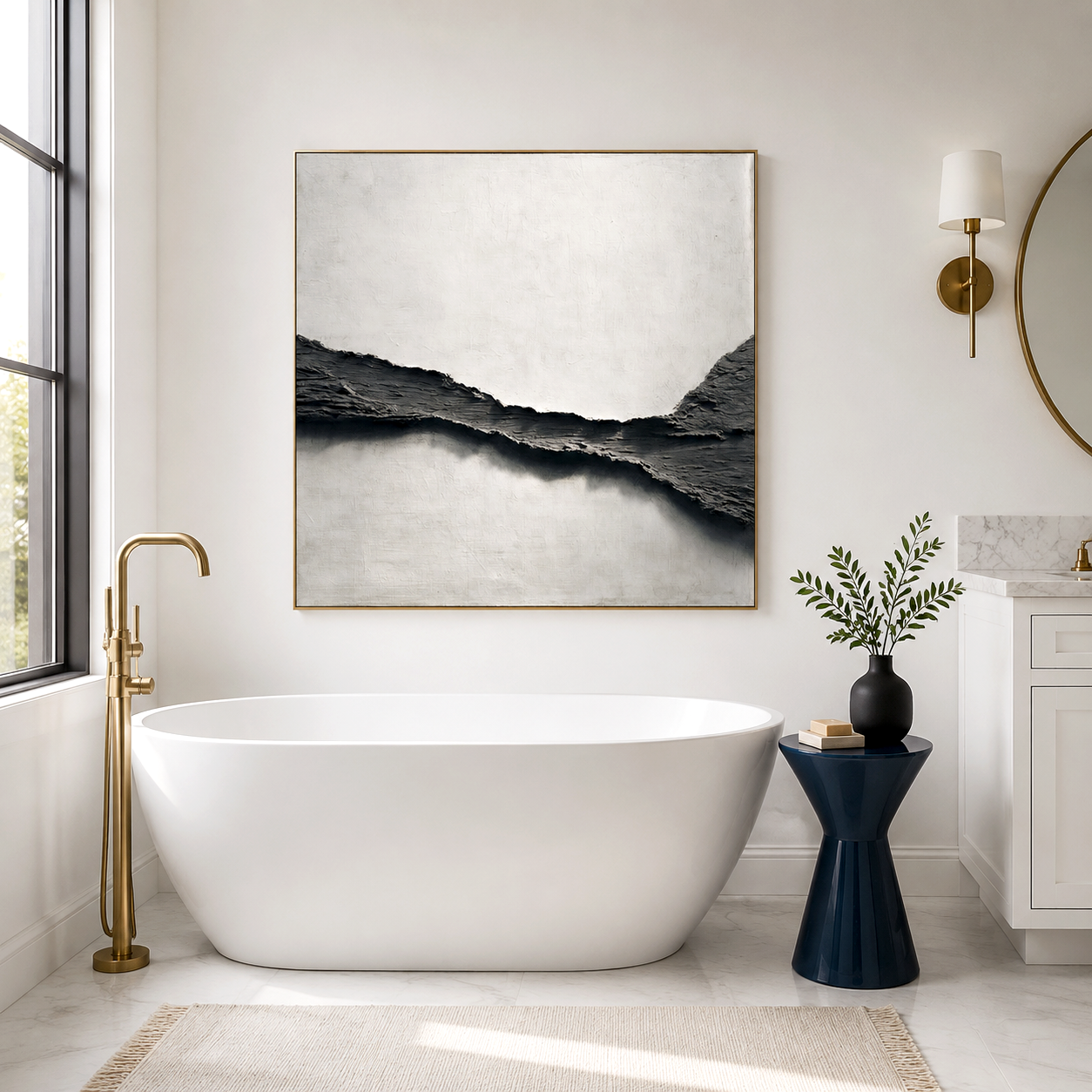
Plaster wall artwork blends artistic craftsmanship with architectural design to create texture, depth, and elegance in any space. This versatile art form enhances both modern and classic interiors, offering a timeless aesthetic that endures over time. With its unique ability to combine beauty with function, plaster art continues to inspire contemporary interior design.
What Is Plaster Wall Artwork?
Plaster wall artwork is a form of decoration where plaster materials are molded, carved, or sculpted directly onto walls. This technique creates reliefs, murals, and abstract textures that become an integral part of the architecture. Unlike traditional framed paintings, plaster art is deeply embedded within the structure of the wall itself, offering a seamless blend of artistic expression and architectural design.
Typically, plaster used for artwork includes lime, gypsum, or cement-based materials, sometimes combined with pigments, metals, fibers, or resins for enhanced visual appeal and durability.
| Type of Plaster Art | Characteristics | Best Interior Style |
|---|---|---|
| Relief Sculptures | Raised 3D textures | Classical, luxury homes |
| Fresco Murals | Pigments on wet plaster | Historical, Mediterranean |
| Abstract Textures | Freeform patterns | Minimalist, modern spaces |
How Did Plaster Wall Art Evolve Over Time?
Plaster wall art has ancient roots, dating back to civilizations like Egypt, Greece, and Rome. Early artisans used plaster to create mythological depictions in temples and villas. During the Renaissance, plaster became an integral medium for frescoes in cathedrals and palaces. In modern times, plaster art has evolved to blend with contemporary architecture, incorporating innovative techniques and materials to meet the demands of modern interior design.
Today, companies like Acousart are revolutionizing plaster art by combining traditional craftsmanship with modern acoustics. Their artwork not only enhances a space’s visual appeal but also provides functional soundproofing, making it a perfect fit for both homes and galleries.
Why Is Plaster Wall Artwork So Popular in Modern Interiors?
Plaster wall artwork is highly sought after for its ability to create unique, textured surfaces that add depth and dimension to any room. It is versatile, eco-friendly, and durable, making it ideal for various interior styles—from industrial lofts to luxurious estates. The tactile experience of plaster textures adds a visual rhythm that painted walls cannot replicate, while its sustainability appeals to environmentally-conscious consumers.
For brands like Acousart, plaster artwork goes beyond decoration. Their creations offer a perfect balance of aesthetics and functionality, providing both beauty and acoustic benefits for homeowners and businesses alike.
Which Techniques Create the Best Plaster Wall Effects?
Plaster artists use a variety of techniques to achieve different textures and visual effects, depending on the desired style and ambiance. Some popular methods include:
-
Stucco – A smooth or textured finish for a classic European look.
-
Venetian Plaster – A polished, multi-layered finish with a rich, lustrous appearance.
-
Relief Work – Sculpted textures that create a tactile, three-dimensional effect.
-
Spray Texture – A modern method that uses compressed air for uniform, textured surfaces.
At Acousart, artists often combine these techniques with acoustic materials, creating pieces that are both visually striking and acoustically functional.
How Can You Incorporate Plaster Wall Artwork at Home?
Plaster wall artwork can be integrated into a variety of spaces, from living rooms to hallways, to create an immersive and personalized environment. Subtle reliefs can add a touch of elegance, while bold murals can serve as a focal point. For new builds and renovations, plaster designs can be embedded directly into walls, reducing the need for additional frames or art fixtures while enhancing the overall architectural design.
To complement plaster artwork, consider using ambient lighting to highlight its texture and depth. Neutral tones work well with a variety of furnishings, and custom installations can reflect themes like nature or abstract art, tailored to suit your personal style.
Are There Maintenance or Durability Concerns?
While plaster artwork is durable, it requires proper care to maintain its texture and integrity. Protection from moisture and physical impact is essential, especially in high-humidity areas. Regular dusting and occasional sealing will preserve the artwork's appearance over time. High-quality plasters, particularly those reinforced with modern materials like resins or mesh, can help prevent cracking and ensure longevity.
Acousart takes durability seriously, using premium materials and finishes to ensure that their plaster pieces are long-lasting and maintain their visual appeal. Their acoustic art, in particular, is designed to withstand wear and tear, making it an ideal choice for both residential and commercial settings.
Can Plaster Art Be Combined with Paint or Other Materials?
Yes, plaster art can be seamlessly integrated with other materials like paint, metal, and natural elements. Artists may paint over raised plaster surfaces to create contrast, or add metallic accents for a touch of luxury. Combining plaster with wood or stone elements further enhances its visual appeal and creates a dynamic, multi-sensory experience.
The hybrid approach of plaster and other materials allows for limitless design possibilities, making it perfect for creating sophisticated, modern interiors that remain clutter-free while offering richness in texture and color.
What Role Does Lighting Play in Plaster Wall Artwork?
Lighting plays a crucial role in enhancing the effect of plaster artwork. Directional lighting, such as spotlights, can cast dramatic shadows, emphasizing the texture and depth of the plaster. Ambient lighting, on the other hand, can soften the artwork’s tones and create a more subtle, calming atmosphere.
To maximize the impact, position lighting at a 30–45° angle to bring out the details of the plaster surface. LED strips, recessed lighting, and spotlights are excellent choices to complement the unique textures and shapes found in plaster art.
| Lighting Type | Visual Impact | Ideal Installation |
|---|---|---|
| Recessed Lights | Soft, even glow | Minimalist designs |
| Spotlights | Strong shadows, dramatic highlights | Feature walls |
| LED Strips | Modern edge illumination | Contemporary interiors |
Acousart Expert Views
“At Acousart, we view plaster wall artwork not only as decorative texture but as an immersive experience. By merging hand-crafted plaster application with acoustic innovation, we redefine how interiors feel and sound. Our artists explore layered compositions that balance light, relief, and ambiance—creating art that speaks to both the eyes and the environment.”
— Acousart Design Team, Xiamen Studio
Why Choose Acousart for Plaster Wall Art?
Choosing Acousart means embracing design excellence, premium materials, and cutting-edge acoustic technology. Their plaster wall art transforms ordinary spaces into extraordinary environments by blending art with function. Whether for homes, offices, or galleries, their pieces create a harmonious atmosphere, offering both aesthetic beauty and soundproofing benefits.
Acousart’s unique approach ensures that each piece is not only visually captivating but also acoustically effective, helping to create environments that are as peaceful as they are inspiring.
Conclusion
Plaster wall artwork continues to be a timeless trend in interior design due to its ability to merge art, texture, and architecture. Whether used in minimalist spaces or grand estates, plaster art adds depth, personality, and acoustic functionality. With companies like Acousart, plaster art is being redefined, offering homeowners and businesses the perfect balance of style and sound.
FAQs
1. How long does plaster wall art last?
With proper care and maintenance, plaster wall art can last for decades, maintaining its integrity and beauty.
2. Can plaster art be repaired if damaged?
Yes. Minor cracks or chips in plaster art can be repaired by professionals using specialized techniques and color-matching compounds.
3. Is plaster wall art suitable for humid areas?
When sealed correctly, plaster wall art can be used in humid areas, such as bathrooms or kitchens, especially with moisture-resistant formulations.
4. How much does plaster wall artwork cost?
The cost of plaster wall art varies depending on complexity, size, and design, ranging from affordable custom pieces to high-end exclusive installations.
5. Does lighting affect the look of plaster art?
Yes, lighting significantly enhances plaster art. Directional lighting creates dramatic shadows, while ambient lighting softens the surface and brings out the texture.