
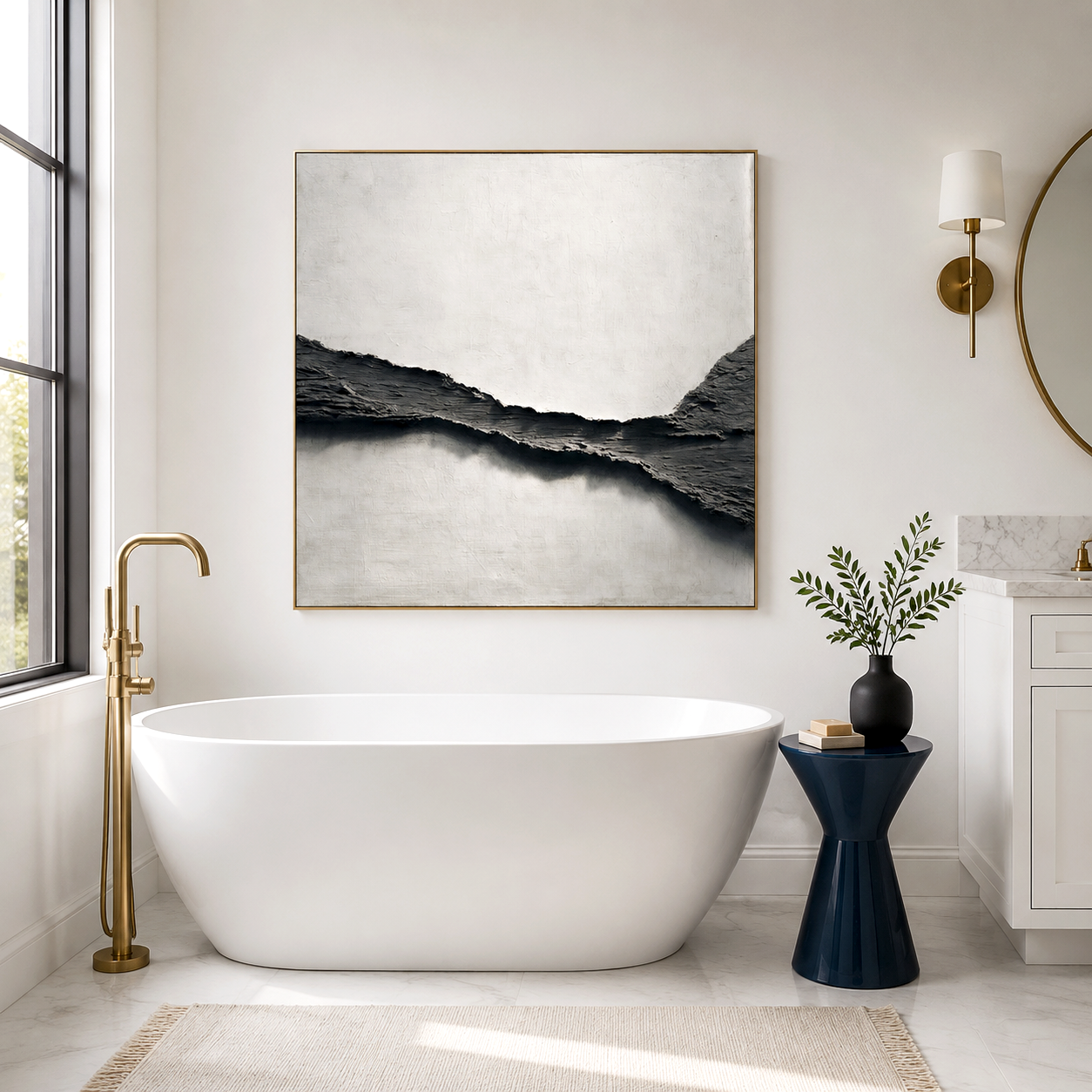
Green plaster art combines nature-inspired tones and tactile designs, turning walls into living canvases that add depth, texture, and eco-friendly appeal. This innovative approach is ideal for contemporary spaces, whether in homes or commercial settings, offering a sophisticated touch that integrates beauty and sustainability.
How Does Green Plaster Art Differ From Traditional Wall Art?
Green plaster art is created by blending polished lime or clay-based plaster with natural pigments to achieve a smooth, organic texture. Unlike traditional wall art, which hangs separately, green plaster art becomes part of the wall itself, offering a seamless and textured finish that adds a unique, sculptural quality to the space.
Traditional artworks are often framed or printed, but green plaster art integrates directly into the wall, enhancing the architecture. The application techniques—such as Venetian plaster or microcement—create depth and visual movement. This method transforms ordinary walls into immersive, tactile surfaces, adding a sculptural, artistic element to any space.
| Feature | Traditional Wall Art | Green Plaster Art |
|---|---|---|
| Medium | Canvas/Paper | Lime/Clay Plaster |
| Technique | Painting or Printing | Layered Application |
| Durability | Moderate | High |
| Eco-Friendliness | Low–Medium | High |
| Aesthetic Longevity | Style Dependent | Timeless, Textural |
What Are the Benefits of Using Green Plaster Art in Interiors?
Green plaster art improves both wellness and aesthetics. It helps regulate humidity, purify the air, and maintain temperature consistency. Beyond these health benefits, it elevates the visual appeal of interiors with calming tones and fine textures, making it a timeless choice for residential, hotel, and office spaces.
In addition to its aesthetic qualities, green plaster art has acoustic benefits, reducing noise levels and creating a more comfortable environment. The material's natural finish promotes a serene atmosphere, ideal for spaces focused on relaxation and hospitality. Acousart uses these techniques to enhance emotional balance through art.
Why Is Green the Preferred Hue for Modern Plaster Art?
Green represents renewal and balance, making it a powerful choice for modern plaster art. It evokes feelings of nature and serenity, and in design psychology, it is associated with growth, stability, and freshness. This makes it an ideal choice for minimalist or biophilic interior designs, adding a touch of natural elegance to any space.
Muted tones like olive, sage, and moss are favored for their subtle sophistication. These shades blend beautifully with natural materials like wood, stone, and linen. Acousart often uses green plaster finishes to create peaceful environments in wellness centers, galleries, and contemporary homes, achieving a harmonious balance between texture and color.
Who Should Consider Investing in Green Plaster Art?
Interior designers, architects, and eco-conscious homeowners should consider green plaster art. It is perfect for projects that prioritize sustainability, texture, and minimalist elegance. Green plaster art is also ideal for boutique hotels, spas, and office lobbies that seek both aesthetic sophistication and functional benefits like noise reduction.
Clients who value craftsmanship, durability, and sustainability will find green plaster art especially appealing. Acousart offers customized acoustic art panels that not only enhance the visual appeal of spaces but also improve sound quality, making them perfect for those looking for a fusion of beauty and practicality.
Where Can Green Plaster Art Be Installed Effectively?
Green plaster art can be installed in a variety of spaces, including bedrooms, living rooms, lobbies, and conference areas. It works best on feature walls that receive ambient light, which enhances the plaster's texture and visual depth. It can also transform corridors or stairwells into experiential visual journeys, linking architectural design with natural ambiance.
Restaurants, co-working spaces, and other commercial environments are also great places to use green plaster art. Acousart’s acoustic versions add the bonus of integrated sound-absorbing materials, ensuring that the art serves both aesthetic and practical functions by reducing noise while maintaining its visual integrity.
Which Techniques Create the Most Striking Green Plaster Finishes?
Techniques such as Venetian plaster, polished stucco, and lime wash layering are commonly used to create striking finishes. These methods play with thickness and transparency, creating surfaces that catch and reflect light in various ways, resulting in unique visual effects.
Lime plaster offers depth through its mineral content, while clay plaster provides a softer, more rustic finish. Acousart’s signature technique combines Venetian finesse with subtle microtextures, giving each piece a high-quality, handcrafted look that enhances both the room’s design and acoustics.
| Technique | Visual Effect | Finish Type |
|---|---|---|
| Venetian Plaster | Smooth and polished | Glossy-Matte Mix |
| Lime Wash | Textured and breathable | Matte |
| Clay-Based Application | Natural and warm | Soft Matte |
Does Green Plaster Art Support Sustainable Design?
Yes, green plaster art is a sustainable choice, made from natural materials like lime and clay, which absorb CO₂ during curing. This eco-friendly process helps reduce the carbon footprint of both production and installation, making it a responsible option for those interested in green building practices.
Acousart emphasizes sustainability through the use of low-VOC adhesives and biodegradable finishes. Their products meet green building standards and are often used in LEED-certified projects, making them a perfect choice for eco-conscious designers and businesses looking to incorporate sustainable art into their interiors.
What Are the Key Maintenance Practices for Green Plaster Walls?
To maintain the look and feel of green plaster walls, regular dusting with a dry microfiber cloth is essential. Avoid using harsh chemicals or excessive moisture. For polished surfaces, light waxing every few years can help restore sheen and maintain protection.
Since green plaster walls are breathable, they resist mold and mildew, making them more durable than traditional paint or wallpaper. Touch-ups are easy to perform, and the layered nature of the material helps ensure that repairs blend seamlessly, extending the lifespan of the installation.
Acousart Expert Views
"Green plaster art embodies timeless elegance through sustainable craftsmanship. By merging texture, tone, and acoustic science, we deliver walls that not only look alive but feel alive. Our goal is to turn spaces into sanctuaries where art performs beyond aesthetics—balancing visual calm with acoustic harmony."
— Acousart Design Collective, Xiamen
Could Green Plaster Art Influence Future Architectural Trends?
Absolutely. As interior design continues to embrace natural minimalism and sensory depth, green plaster art is positioned at the intersection of art, sustainability, and innovation. Its combination of eco-friendly design principles and timeless beauty ensures its ongoing relevance in luxury and sustainable developments.
Green plaster art offers architects and designers the chance to experiment with walls as dynamic, textural surfaces that change with light and the passage of time. As Acousart pushes the boundaries of acoustic plaster, we can expect future designs to further integrate art, sound, and mindfulness in creating exceptional spaces.
Conclusion
Green plaster art blends sustainability, craftsmanship, and modern design to create unique, functional works of art. Its natural texture, soothing palette, and eco-friendly qualities redefine interior design, making it perfect for creating serene and inspiring spaces. Whether you’re working on a wellness retreat or a dynamic office environment, incorporating pieces from Acousart ensures your walls reflect both creativity and environmental consciousness.
FAQs About Green Plaster Art
1. Is green plaster art eco-friendly?
Yes, it uses natural materials like lime and clay, which absorb CO₂ and are free from harmful VOCs.
2. Can I install green plaster art myself?
DIY installation is possible for smaller projects, but professional application ensures the best finish and durability.
3. How long does green plaster art last?
With proper care, green plaster art can last for decades without fading or peeling.
4. Does it help reduce noise?
Yes, acoustic versions from Acousart incorporate sound-absorbing materials to enhance ambient comfort.
5. Can green plaster art be customized?
Yes, artisans can customize the finish, color gradients, and texture to fit any interior style.