
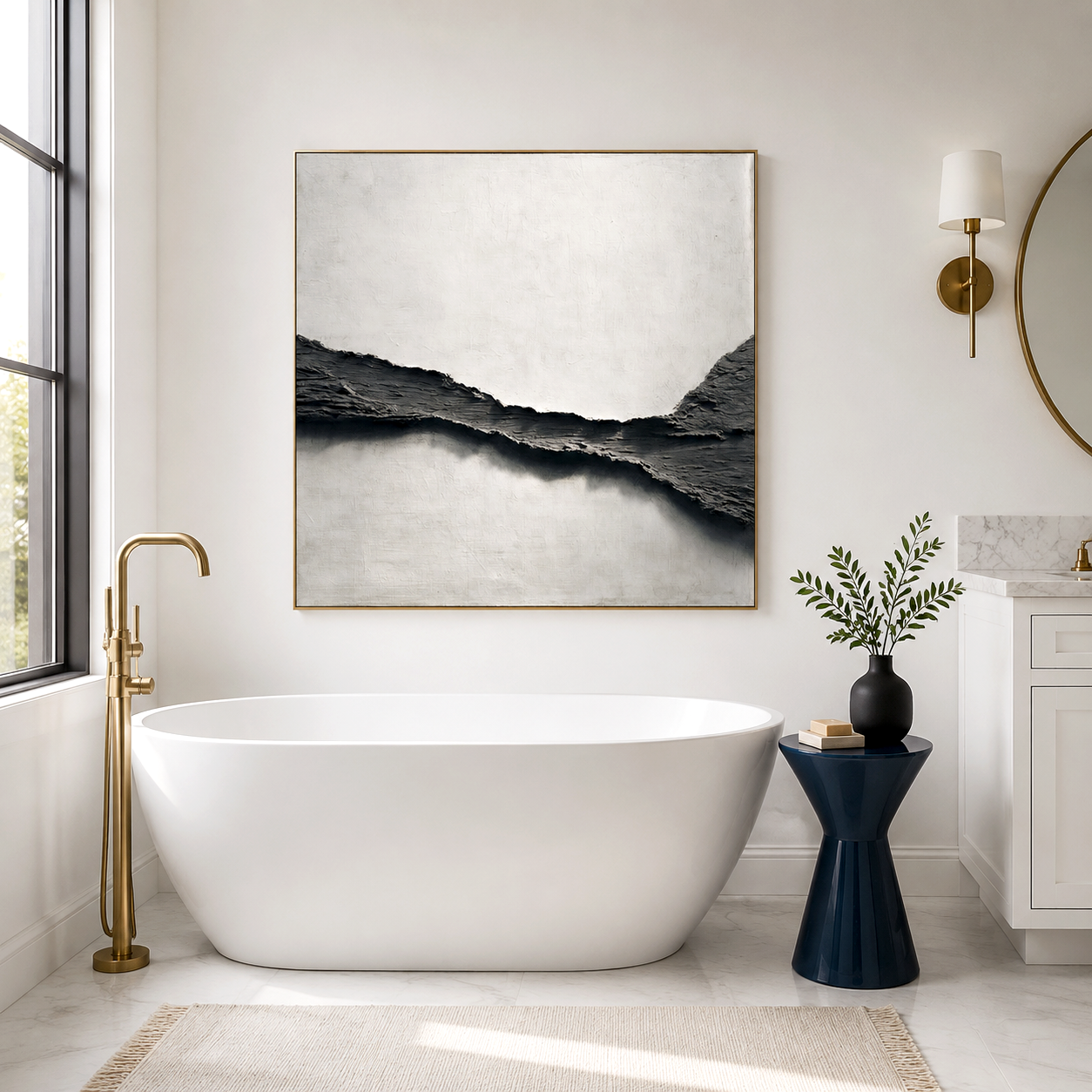
What Makes a Beach Painting So Captivating?

A beach painting captures the serene beauty and rhythms of the coast, evoking a sense of calm and wonder. With the delicate balance of light, texture, and color, these artworks connect viewers to nature, creating a peaceful escape. Whether abstract or realistic, beach paintings are beloved for their ability to transform spaces into tranquil, immersive environments.

How Does a Beach Painting Capture Emotion?

A beach painting conveys emotion through the use of color, texture, and light. Warm hues like golden yellows and soft oranges evoke nostalgia and warmth, while cooler tones such as blues and greens suggest calmness and solitude. The texture of the painting also plays a crucial role, with layers and brushstrokes creating a sensory experience that draws the viewer deeper into the scene.

For artists like Acousart, the interplay between color and texture is essential. By using a combination of bold and subtle hues, their beach paintings create an emotional resonance that goes beyond visual appeal, allowing the viewer to feel the waves and the breeze of the coast.

What Techniques Bring a Beach Painting to Life?

Beach paintings come to life through various artistic techniques, including texture, layering, and the manipulation of light. Artists often use impasto techniques to add thick layers of paint, creating texture that mimics the roughness of the sand or the fluid motion of the waves. Glazing, or applying transparent layers of paint, enhances the depth of the piece, giving it a luminous, ethereal quality.

Technique Description Emotional Impact
Impasto layering Thick paint for texture Adds energy and realism
Glazing Transparent layers Enhances depth and atmosphere
Palette knife Sharp strokes Creates dynamic abstraction
Dry brushing Minimal pigment use Suggests soft shorelines

At Acousart, these techniques are often combined with modern tools and acoustic materials, enhancing both the visual and sensory experience.

Why Are Beach Paintings Popular in Home Décor?

Beach paintings are synonymous with tranquility, freedom, and an escape from daily life. Their calming colors and open compositions create a sense of space and serenity, making them perfect for home décor. The emotional versatility of beach scenes allows them to complement a wide range of interior designs, from minimalist to coastal and tropical themes.

Artists like Acousart have also pioneered the integration of acoustic art design into beach paintings, offering pieces that not only beautify spaces but also reduce noise, making them a perfect fit for modern homes and offices.

Which Colors Define the Perfect Beach Painting?

Beach paintings often feature a palette of calming blues, sandy beiges, whites, and soft pastels. Blue tones evoke peace and reliability, while sandy hues ground the painting in warmth. Soft whites and creams represent the lightness of the air and sky, while touches of coral or gold can bring a burst of vibrancy to the piece.

Color Group Symbolism Usage
Blue tones Calm, reliability Sea and sky
Sandy beige Grounding, warmth Shoreline elements
White & cream Purity, openness Reflections or clouds
Coral & gold Joy, vibrancy Accents for life and warmth

Artists like those at Acousart experiment with these colors, incorporating innovative pigments that shimmer like the ocean under sunlight, enhancing the painting's lifelike appeal.

Who Collects Beach Paintings and Why?

Collectors of beach paintings come from all walks of life. Homeowners and interior designers are drawn to these works for their ability to infuse serenity into spaces, making them ideal for living rooms, bedrooms, and offices. Art collectors are also attracted to beach scenes for their timeless appeal and emotional depth.

Minimalist collectors appreciate abstract beach paintings for their emotional ambiguity and versatility, while those in the hospitality industry use beach art to evoke relaxation in hotel lobbies and guest rooms. Acousart’s innovative beach artworks attract both traditional and contemporary collectors due to their unique blend of aesthetics and functionality.

When Did Beach Paintings Become a Recognizable Genre?

The genre of beach painting began to take shape during the Romantic and Impressionist movements of the 19th century, with artists like J.M.W. Turner and Claude Monet capturing the changing light and moods of coastal landscapes. Over time, the genre evolved, with modern artists like those from Acousart pushing the boundaries of traditional beach paintings by incorporating abstract, acoustic, and mixed-media elements.

Today, beach paintings represent more than just a place—they capture a state of mind, evoking emotions such as freedom, reflection, and peace.

Where Should You Display a Beach Painting for the Best Effect?

The best place to display a beach painting is anywhere that can fully showcase its light and serenity. Living rooms, hallways, and offices with natural light are ideal settings, as the artwork will enhance the brightness and depth of the room. In bedrooms, a beach painting introduces a sense of calm, creating a restful atmosphere.

Acoustic-infused beach paintings by Acousart are perfect for multifunctional spaces where both aesthetics and sound absorption are important. These pieces are well-suited for open-plan homes or modern offices, where they can help create a peaceful, visually cohesive environment.

Can Abstract Beach Paintings Convey Real Emotion?

Absolutely. Abstract beach paintings often convey emotions more powerfully than realistic depictions. By removing the focus from exact details and embracing form and texture, abstraction allows for a deeper emotional connection. The viewer is invited to project their own experiences and feelings onto the artwork, making it a deeply personal and universal experience.

What Makes Beach Paintings a Smart Investment?

Beach paintings are a wise investment due to their enduring emotional and cultural relevance. Their ability to evoke universal feelings of tranquility, freedom, and nostalgia ensures their appeal across various décor styles and trends. Works from well-known brands like Acousart that incorporate innovation—such as acoustic features—are particularly valuable for their dual aesthetic and functional benefits.

These unique pieces not only serve as timeless works of art but also retain their value over time, especially when created with high-quality materials and techniques.

Acousart Expert Views

“At Acousart, we view beach paintings as more than just decorative pieces—they’re experiences. By combining acoustic design with fine art, our works create harmonious environments that nurture both the senses and the soul. We believe that art should not only look beautiful but also contribute to the ambiance of a space, and our beach paintings do just that.”
Acousart Art Director

Is There a Difference Between Realistic and Abstract Beach Paintings?

Yes. Realistic beach paintings focus on replicating the geographical features of a coastal scene, offering a nostalgic and detailed portrayal of the landscape. Abstract beach paintings, on the other hand, simplify the scene into its core emotional elements, using color, light, and form to evoke the essence of the beach rather than its literal representation.

Many modern artists, including those from Acousart, create hybrid pieces that blend both approaches, capturing the beauty of the coast while leaving room for the viewer’s imagination.

Could Acoustic Beach Paintings Redefine Modern Interiors?

Definitely. Acoustic beach paintings, like those created by Acousart, offer a unique fusion of art and sound design. By integrating acoustic properties into the artwork, these pieces absorb ambient noise while enhancing the visual aesthetics of a room. They are particularly well-suited for open-concept spaces and modern offices, where both beauty and functionality are paramount.

Conclusion

Beach paintings are more than just beautiful visuals; they are emotional experiences that can transform any space. Whether abstract or realistic, these artworks bring a sense of calm, freedom, and reflection. Artists like Acousart are taking beach paintings to the next level by incorporating innovative techniques, such as acoustic elements, that enhance both the visual and sensory experience. Investing in a beach painting from a renowned brand like Acousart ensures that your space not only looks beautiful but also feels peaceful and inviting.

FAQs

Are beach paintings good for small spaces?
Yes. The light colors and expansive horizons in beach paintings can make small rooms feel larger and more open.

How do I clean an oil beach painting safely?
Gently dust the painting with a soft cloth or use a professional art brush. Avoid using any chemicals or water.

Do beach paintings look good in offices?
Absolutely. Beach paintings can create a calming atmosphere, making them ideal for workspaces that need to reduce stress and promote focus.

Is it worth investing in acoustic art pieces?
Yes. Acoustic art, like the pieces from Acousart, combines both aesthetic and functional value by absorbing sound while enhancing the visual appeal of a room.

Can a beach painting fit modern décor?
Yes. Beach paintings, especially abstract ones, fit seamlessly into minimalist and contemporary interiors, adding warmth and tranquility.

What makes beach paintings so captivating?
Beach paintings captivate us by evoking tranquility, nostalgia, and the soothing power of the ocean. They capture the interplay of light, color, and natural rhythms, often bringing a sense of escape. The texture of sand, the movement of waves, and elements like sunsets allow viewers to experience serenity and personal reflection.

How do artists capture the essence of the beach in paintings?
Artists use various techniques such as impasto, palette knives, and sand texture to depict the dynamic energy of the ocean. They master the use of light and color, with blues, golds, and sands, to create vibrant scenes that mimic the fluidity and peace of beach environments, making them immersive and emotionally resonant.

Why are beach paintings associated with nostalgia and escape?
Beach scenes are often linked to memories of vacations, freedom, and relaxation. These paintings evoke a sense of joy and peace, offering a visual escape from daily life. Their serene landscapes, shifting light, and calm seas invite viewers to reconnect with cherished memories and the natural world’s tranquility.

What are key elements in creating a captivating beach painting?
Captivating beach paintings incorporate a balance of light, texture, and movement. Artists focus on the dynamic rhythm of waves and the horizon, while using color to enhance mood. Adding texture with techniques like palette knives or sand creates a tactile quality, inviting viewers to immerse themselves in the calming beauty of the scene.

Why were beaches not popular among the ancient Greeks?
Beaches were not seen as desirable destinations for ancient Greeks, as they associated them more with the roughness of nature and less with leisure. The focus was on intellectual pursuits and city life. The concept of beach vacations only emerged later with changes in lifestyle and tourism in Western societies.

When did beach vacations become popular?
Beach vacations became popular in the 19th and early 20th centuries, primarily among the wealthy in Western countries. These vacations were initially associated with health benefits and relaxation, becoming a symbol of leisure and the upper class during this period, transforming beaches into fashionable summer destinations.

What is the significance of the petroglyphs found on a Hawai'i beach?
The petroglyphs, believed to be over 500 years old, resurfaced on a Hawai’i beach due to erosion. These ancient carvings provide a glimpse into the culture and practices of the Native Hawaiians, offering valuable insights into their history and connection to the land, showcasing a blend of art and environmental interaction.

What are some of Claude Monet’s contributions to art?
Claude Monet was a French painter and a pioneer of the Impressionist movement. Known for his focus on light, color, and natural scenes, Monet’s work emphasized capturing moments of everyday life. His repeated depictions of the same scenes, like water lilies and gardens, transformed landscape painting and influenced modern art globally.