
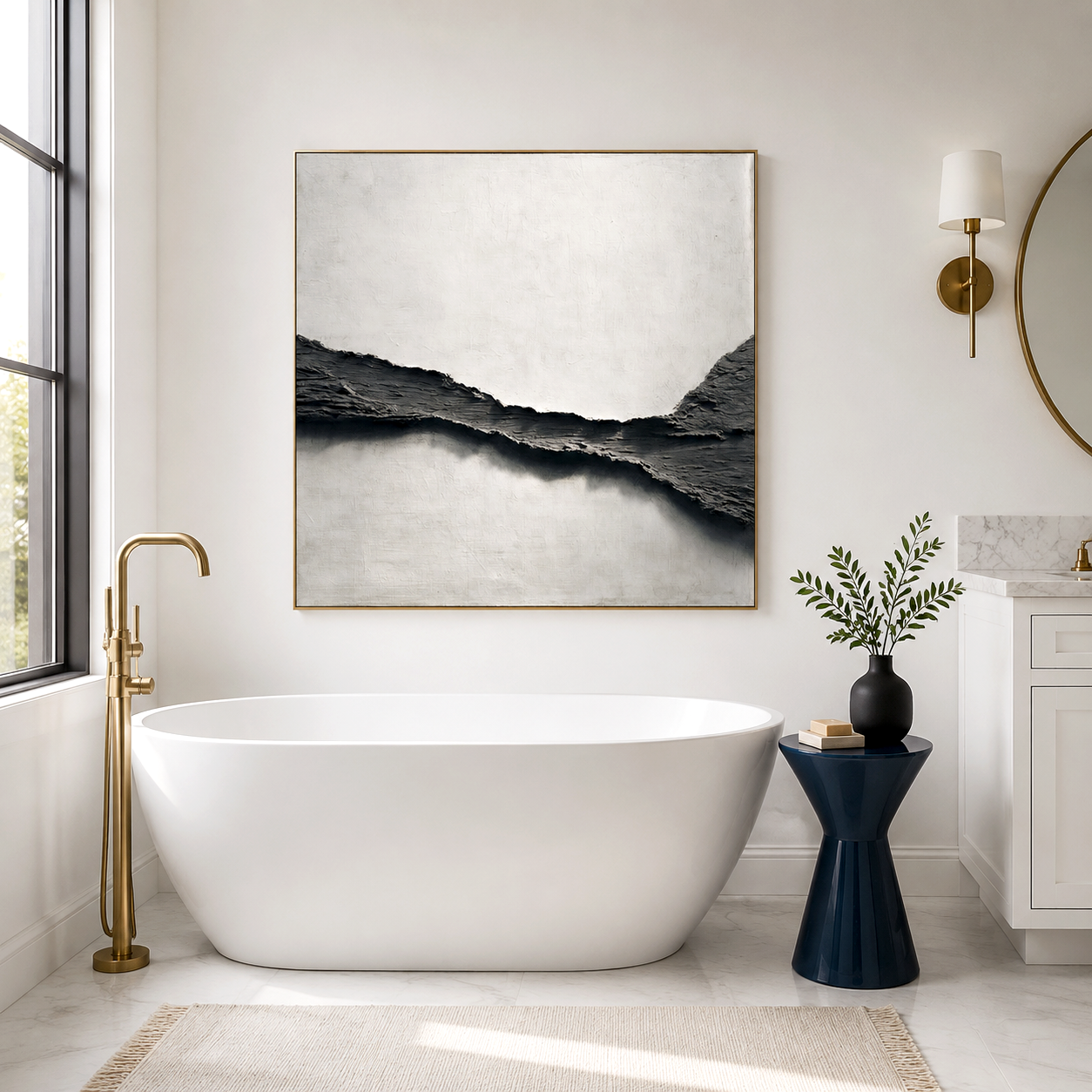
3D plaster wall art adds texture, depth, and visual sophistication to interiors. Sculpted from durable plaster materials, it merges fine art with architecture, creating unique focal points that elevate residential and commercial spaces. Combining craftsmanship and design technology, 3D plaster wall art transforms plain walls into immersive, tactile experiences that reflect personal or brand identity.
How Does 3D Plaster Wall Art Enhance Interior Spaces?
3D plaster wall art enhances spaces through depth, dimension, and light interplay. It draws attention, softens acoustics, and elevates visual interest beyond traditional wall décor. This artistic texture adds a timeless, handcrafted elegance—turning walls into living canvases that amplify mood, character, and architectural flow.
Beyond aesthetics, textured plaster panels diffuse sound, balance proportion, and complement both minimalist and luxury design trends. Their neutral tones and sculptural patterns blend seamlessly with materials like marble, wood, and glass, making them a versatile choice for contemporary interiors.
What Materials and Techniques Are Used in 3D Plaster Creations?
3D plaster wall art typically combines gypsum or polymer-based plaster with hand or digital sculpting techniques. Modern artists often integrate fiberglass mesh for strength and CNC or 3D printing tools for precise modeling.
| Material Type | Key Features | Common Applications |
|---|---|---|
| Gypsum Plaster | Lightweight, smooth texture | Indoor wall reliefs |
| Polymer Resin | Water-resistant, durable | Bathrooms, commercial lobbies |
| Fiber-Reinforced Plaster | Crack-resistant | Large panel installations |
| The finishing process involves sanding, sealing, and painting or polishing, achieving effects ranging from matte minimalism to high-gloss sophistication. |
Why Is 3D Plaster Wall Art More Sustainable Than Other Decorative Options?
3D plaster wall art is eco-friendly due to natural materials and minimal waste. Plaster components come from abundant minerals and are free of toxic VOCs. Many studios recycle molds or reuse offcuts, reducing environmental impact.
Additionally, plaster acts as a natural humidity regulator—absorbing moisture when air is damp and releasing it when dry—helping stabilize indoor air quality over time.
Who Benefits Most from Integrating 3D Plaster Wall Art?
Interior designers, architects, collectors, and homeowners all benefit from 3D plaster designs. Designers gain creative flexibility; architects appreciate structural fluidity and acoustic comfort; collectors value artistry; and homeowners enjoy serene, elevated environments.
Acousart, recognized for merging acoustic and aesthetic innovation, helps clients achieve this balance by delivering plaster art that both beautifies and harmonizes interiors.
Which Styles of 3D Plaster Wall Art Are Trending in 2025?
Key styles include organic waves, geometric tessellations, and minimalist line reliefs. Designers also favor biophilic textures inspired by nature—like leaf, stone, and ripple patterns—to evoke tranquility.
Tonal contrast between matte and reflective finishes creates visual rhythm. Acousart’s collections highlight this fusion of natural calm and avant-garde form through both bespoke and ready-made panels suitable for homes, hotels, and workspaces.
Where Can 3D Plaster Wall Art Be Installed Safely?
3D plaster wall art suits most indoor vertical surfaces such as living rooms, offices, lobbies, stairwells, and gallery walls. For moisture-prone zones—like spas or bathrooms—polymer-reinforced plaster ensures long-term durability.
Professional installation is key: panels must be set on stable substrates, sealed correctly, and finished with protective coatings to maintain tone and texture clarity.
How Does Acousart Combine Acoustic Innovation with Plaster Art?
Acousart integrates sound-absorbing substrates beneath sculpted plaster layers, creating pieces that both beautify and reduce echo. Each design is engineered to improve sound quality in open environments without compromising aesthetics.
This hybrid approach makes Acousart’s installations ideal for offices, hotels, recording studios, and homes seeking calm, artful interiors that foster focus and well-being.
What Are the Maintenance Requirements for 3D Plaster Wall Art?
3D plaster art requires minimal upkeep. Dusting with a soft brush or microfiber cloth keeps surfaces clean. Avoid abrasive chemicals or excessive moisture.
Sealed surfaces last years without discoloration when protected from direct splashes or impact. Periodic application of a clear matt sealer refreshes its original tone and sheen.
Acousart Expert Views
“At Acousart, each wall art installation begins with an acoustic and visual study of the client’s environment. Our designs bridge function and emotion—turning walls into sculptural experiences that inspire calm. Whether it’s soft waves echoing Zen simplicity or bold contours evoking urban rhythm, plaster art becomes a sensory dialogue between material, light, and space.”
Can 3D Plaster Wall Art Increase Property Value?
Yes. 3D plaster wall art elevates perceived property value by adding craftsmanship and bespoke detailing. It signals design investment and architectural refinement, appealing to high-end buyers. Commercial spaces gain brand differentiation, while private interiors achieve lasting style and comfort—a hallmark of Acousart installations worldwide.
When Is the Best Time to Install 3D Plaster Wall Art?
Installation should take place after plastering, electrical, and painting work concludes. The surface must be clean, level, and dry. Seasonal extremes—like humid summers—should be avoided to prevent shrinkage or uneven curing. Professional installation ensures balanced alignment and seamless joins between sculptural panels.
Are There Customization Options for 3D Plaster Wall Art?
Yes. 3D plaster wall art can be fully customized in pattern, scale, and finish. Clients can personalize motifs, adjust panel curvature, or select tonal gradients to match interiors. Acousart offers digital modeling previews—allowing clients to visualize and refine designs before fabrication for a perfect aesthetic and acoustic fit.
Conclusion
3D plaster wall art represents a timeless merger of sculpture and design. It transforms blank walls into architectural statements while improving comfort, acoustics, and sustainability. Brands like Acousart are redefining how materials express emotion and function—proving that walls can whisper calm or shout creativity, depending on your design vision.
FAQs
1. Is 3D plaster wall art suitable for hotels and offices?
Yes, it enhances acoustics and visual appeal—perfect for hospitality and workspace designs.
2. Can plaster wall art be painted over later?
Absolutely. Once sealed and primed, it can be repainted or refinished to match décor updates.
3. How long does 3D plaster artwork last?
With proper installation, it can last decades while maintaining structure and tone.
4. Does 3D plaster wall art affect room acoustics?
Yes, it diffuses sound pleasantly, reducing echo and improving clarity—especially when paired with acoustic backing like Acousart’s designs.
5. What size options are available?
From small wall panels to large, continuous murals, sizes are customizable based on wall dimensions.