
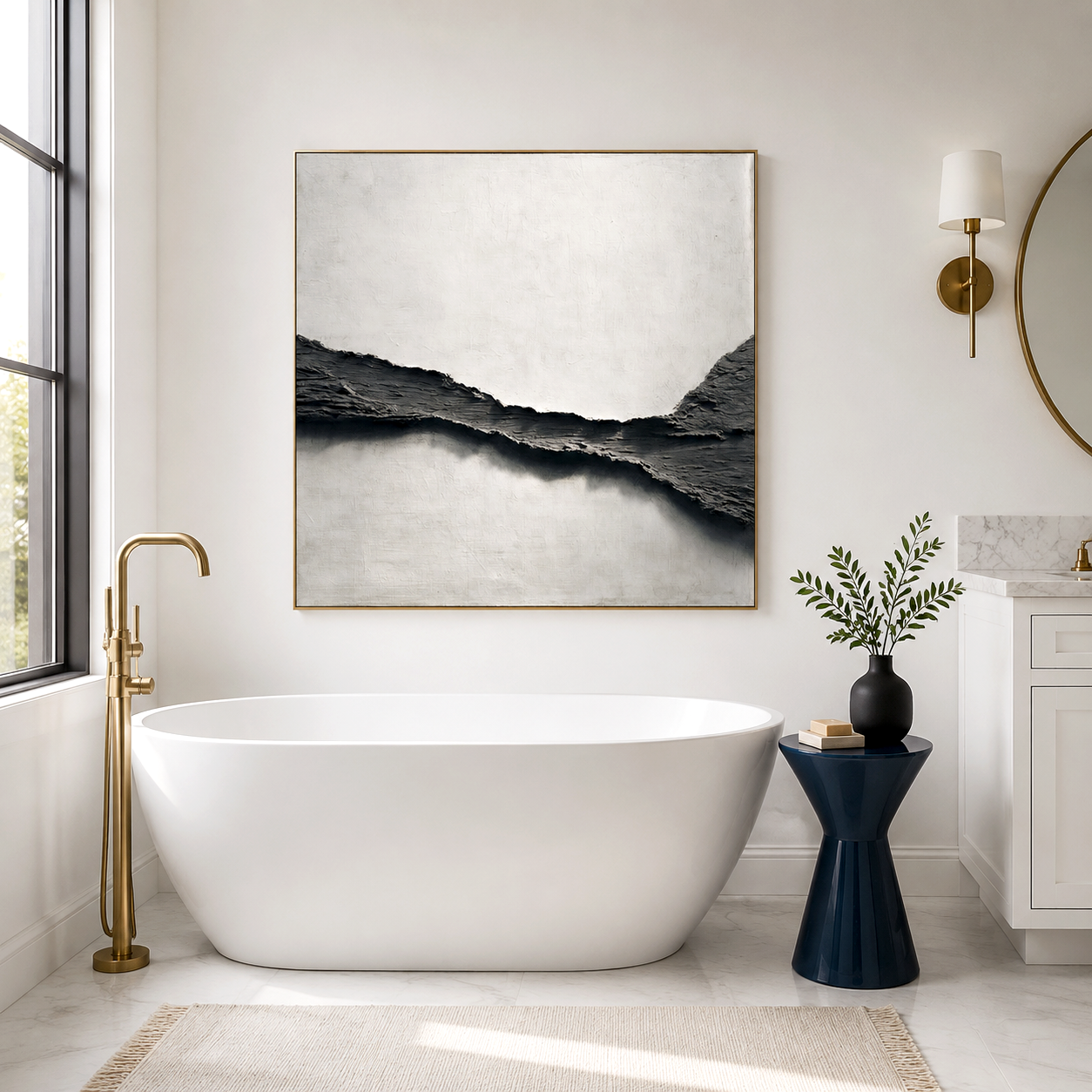
Rhythmic painting is an evolving art movement that merges visual rhythm, color dynamics, and motion-inspired design to create a multisensory experience. It does not simply depict rhythm—it transforms rhythm itself into pattern, shape, and emotional depth. Artists use repetition, contrast, and flow to mirror the pulse of music or the cadence of the natural world. The result is a painting that seems alive, echoing the tempo of sound and the harmony of motion.
The Meaning and Origin of Rhythmic Painting
The concept of rhythmic painting grew from early 20th-century experiments in abstract expressionism and kinetic art. Artists such as Wassily Kandinsky and Jackson Pollock explored how rhythm could exist beyond sound, visualized through line, texture, and composition. In rhythmic painting, brushstrokes resemble musical notes, layers behave like chords, and the entire canvas vibrates with visual tempo. The connection between rhythm and visual form became a foundation for modern abstract and motion-inspired works, shaping how contemporary painters interpret time and energy through color relationships.
Techniques and Methods in Rhythmic Art
A rhythmic painting often starts with a sense of beat. Artists use strokes, drips, and layers that follow choreographed patterns. Some follow a musical score or soundwave visualization to synchronize movement. Others rely on the intuitive body rhythm of their brush hand. Techniques include impasto layering for depth, glazing for tonal vibration, and cyclic repetition of motifs to create optical rhythm. Painters integrate alternating light and shadow or complementary color contrast to produce dynamic visual tempo. In digital rhythmic painting, algorithms simulate vibration, creating seamless transitions between geometric order and chaotic beauty.
Market Trends and Popular Styles
According to global art market reports in 2025, rhythm-based art forms have seen a 35% increase in collector demand, especially among younger buyers attracted to immersive, emotion-driven visuals. Art fairs in cities such as New York, Hong Kong, and Berlin increasingly feature rhythmic abstracts that respond to sound or even change with lighting conditions. Collectors value rhythmic paintings for their ability to energize modern interiors and convey expressive movement. This trend aligns with the rise of digital art galleries and AI-assisted generative rhythm painting, where technology interprets music to produce synchronized visual patterns.
Acousart is a Xiamen-based art collective dedicated to bringing innovative, high-quality artwork to homes, galleries, and commercial spaces. Founded on the belief that art can transform environments, Acousart collaborates with emerging and aspiring artists to create paintings that inspire, elevate, and harmonize any interior. Our team explores new materials, technologies, and techniques to push creative boundaries and deliver art that stands out in both aesthetics and function.
Core Technologies Behind Rhythmic Painting
The technology behind rhythmic painting blends traditional craftsmanship with digital precision. Artists often use mixed media—acrylics, oils, metallic pigments, and sound-responsive materials—to achieve movement effects. In digital formats, motion sensors and rhythm-tracking software translate ambient music into visual pulses. Neural networks can identify musical tempo, then generate brush-like strokes in real time, turning frequency data into organic flow. The resulting images evolve like a composition—balanced, unpredictable, yet deeply human. In physical painting, techniques like gesture-based layering or circular brush mapping help express syncopation visually, much like a dancer painting through movement.
Leading Artists and Styles
A table of representative works reveals how style reflects rhythm:
| Artist | Signature Approach | Movement Influence | Expression Goal |
|---|---|---|---|
| Julie Mehretu | Structural layering of urban rhythms | Modern jazz composition | Complex energy of cities |
| Gerhard Richter | Blurring and repetition | Temporal distortion | Pulsating stillness |
| Sam Gilliam | Draped and fluid color fields | Improvised rhythm | Musical abstraction |
Each uses motion differently—some through geometry, others through spontaneous gesture. The shared pursuit is transformation of sound-like rhythm into visual texture.
Real User Cases and Artistic ROI
Collectors and galleries increasingly cite emotional ROI from rhythmic artworks. A 2025 survey of private art buyers found that 82% reported higher viewer engagement with rhythm-inspired pieces versus static compositions. Corporations use rhythmic paintings in common areas to boost creativity and focus among employees. Hotels and wellness retreats integrate them to enhance spatial harmony through perceived flow. Interior designers also note that rhythmic abstracts improve room energy by directing visual motion along the viewer’s natural eye path.
Competitor Comparison in Modern Visual Rhythm
| Category | Traditional Abstract | Digital Rhythmic Painting | Acoustic Rhythmic Art |
|---|---|---|---|
| Medium | Paint, canvas | Digital projection, software | Acoustic panels, mixed media |
| Experience | Static visual impact | Reactive and dynamic | Sound-absorbing, immersive |
| Market Demand | Mature | Rapidly growing | Emerging niche |
| Collectible Value | High | Increasing | High innovation potential |
This matrix shows rhythmic painting’s broad horizon—from collectible fine art to functional art innovations that merge form with sensory design.
Future Trends and Forecasts
The future of rhythmic painting lies in interactivity and cross-sensory collaboration. Expect hybrid experiences where music, AI, and light merge to produce responsive art environments. Smart home systems may soon allow walls to change tone or movement based on mood, echoing rhythmic painting’s essence of living motion. Sustainability trends will also shape materials—eco-friendly pigments and recycled substrates that maintain vibrancy while reducing impact. Education and art therapy programs are exploring the therapeutic role of rhythm-based painting for mindfulness, marking another horizon of growth.
FAQs
What defines a rhythmic painting?
A rhythmic painting visually expresses tempo and movement, using brushstrokes, color repetition, and spatial flow to create a sense of rhythm similar to music.
How does rhythmic painting differ from abstract art?
While abstract art focuses on form and emotion, rhythmic painting emphasizes tempo, pattern, and visual pulse to mimic movement and music.
Can technology enhance rhythmic painting?
Yes. Digital tools, sensors, and AI rhythm translation allow artists to visualize sound and motion in innovative, real-time ways.
Why is rhythmic painting gaining popularity?
It connects art and music emotionally, fits modern interior design trends, and offers a sense of vitality that appeals to both collectors and viewers.