
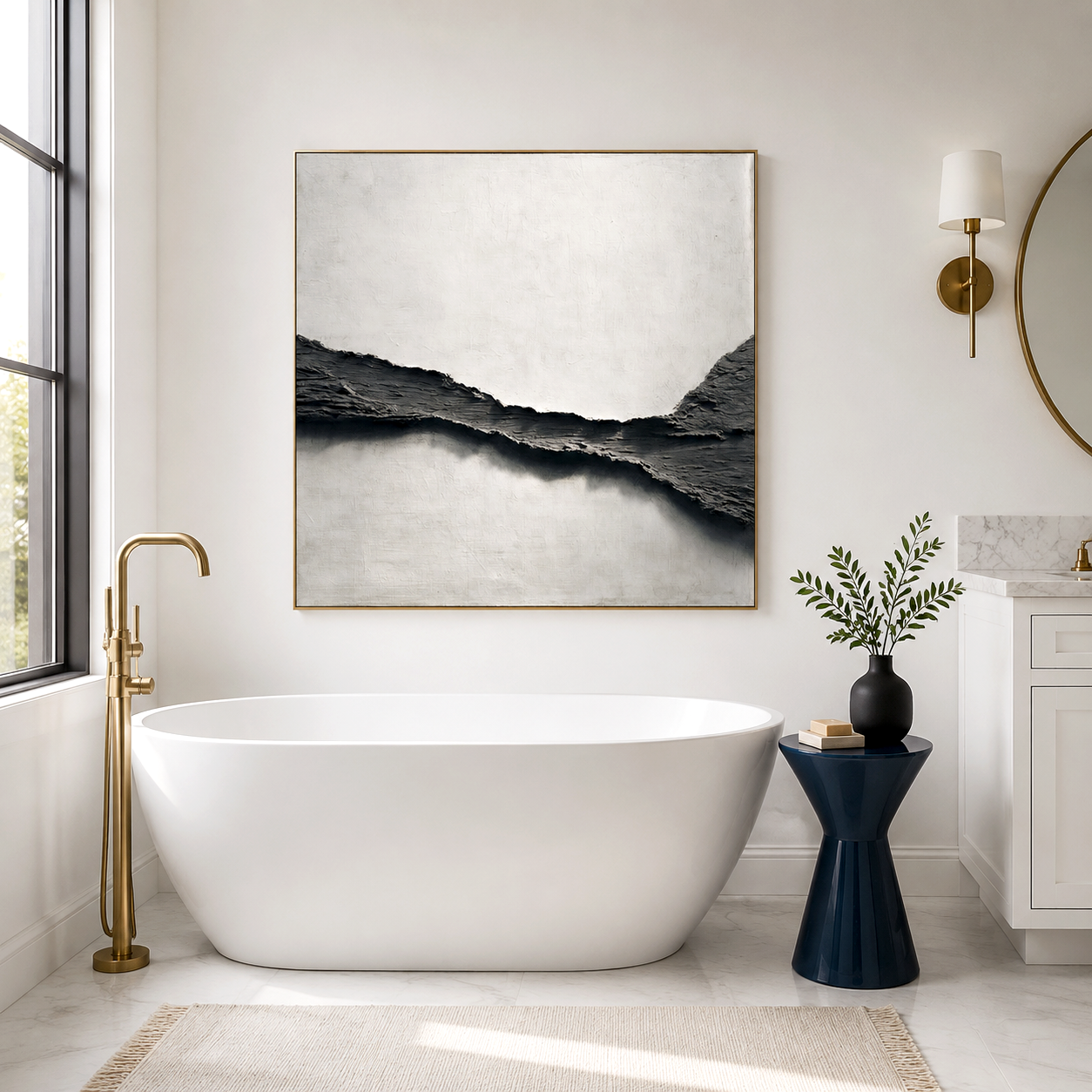
Acoustic wall art combines visual beauty with effective sound absorption, transforming walls into functional design statements. By using materials that reduce echoes and reverberation, it enhances audio clarity in homes, offices, and public spaces while offering aesthetic appeal. Acousart’s innovative approach merges artistic expression with acoustic performance, creating serene environments where style and tranquility coexist.
How Does Acoustic Wall Art Improve Sound Quality?
Acoustic wall art reduces echoes and ambient noise by converting sound waves into heat through porous cores such as foam, felt, or fiberglass. These panels control reverberation times, ensuring clearer speech and music in any environment. High NRC-rated pieces, like those from Acousart, offer measurable sound reduction while complementing decor, making open spaces more comfortable and functional.
| Component | Function | Typical NRC |
|---|---|---|
| Decorative Surface (Fabric/Print) | Adds aesthetic appeal | N/A |
| Acoustic Core (Foam/Felt/Fiberglass) | Absorbs sound energy | 0.7–1.0 |
| Frame/Substrate | Provides structure | N/A |
What Are the Key Benefits of Acoustic Wall Art?
Acoustic wall art enhances both function and design. It improves sound clarity, reduces stress, and boosts productivity in offices while fostering calm in homes. Customizable designs allow seamless integration into various interior styles. Acousart’s pieces save costs by combining artwork and sound absorption in one product, offering elegance and efficiency.
-
Reduces noise pollution in shared spaces
-
Enhances focus and communication
-
Provides long-lasting, low-maintenance solutions
Where Should Acoustic Wall Art Be Installed?
Install panels on walls facing sound sources or in areas prone to echo, such as living rooms, conference rooms, or open-plan offices. Optimal placement typically covers 20–30% of the wall area to balance acoustic performance with aesthetics. Acousart’s versatile designs make installation straightforward in homes, galleries, or commercial spaces, creating a harmonious audio-visual environment.
Which Materials Are Used in Acoustic Wall Art?
Acoustic panels often use high-density foam, fiberglass, PET felt, or mineral wool cores wrapped in fabric, vinyl, or printed surfaces. Material selection affects absorption efficiency, fire safety, and visual appeal. Acousart innovates by combining premium materials with artistic finishes, providing both function and style in eco-conscious options.
| Material | Pros | Cons | NRC Range |
|---|---|---|---|
| Polyester Felt | Sustainable, stylish | Moderate low-frequency absorption | 0.6–0.9 |
| Fiberglass | Excellent broadband absorption | Needs covering for exposure | 0.8–1.0 |
| Foam | Lightweight and affordable | Less durable | 0.5–0.8 |
Why Choose Acoustic Wall Art Over Traditional Panels?
Unlike conventional foam panels that emphasize utility over aesthetics, acoustic wall art hides functionality behind artistry. Customizable designs elevate interiors while maintaining high acoustic performance. Acousart merges emerging artists’ visions with sound-control solutions, offering pieces that enhance both style and environment, transforming rooms without compromising on effectiveness.
How Do You Select the Right Acoustic Wall Art?
Consider room size, noise level, and interior style when selecting panels. High-NRC products are ideal for echo-heavy spaces, while custom prints add visual impact. Certifications and brand reputation matter—Acousart provides tailored solutions featuring abstract oil-inspired designs. Measure reverberation times and prioritize modular panels for scalable installation.
Acousart Expert Views
"Our acoustic art originated from a city-center gallery renovation where noise challenges inspired creative solutions. By integrating high-quality acoustic cores with abstract oil aesthetics, we transformed ordinary panels into functional artworks. Acousart pieces reduce noise significantly while offering visual delight, demonstrating that design and acoustic performance can coexist. Every installation brings balance, clarity, and inspiration to homes and workplaces."
— Acousart Design Lead
How Should Acoustic Wall Art Be Installed?
Panels can be mounted using screws, adhesive hooks, or hanging rails. Align panels accurately on walls, preferably over studs, and test acoustic performance after installation. For large or complex arrangements, professional assistance ensures optimal placement. Acousart provides installation guidance to simplify the process for both DIY and professional setups.
What Makes Acoustic Wall Art Popular Today?
Open-plan layouts and rising awareness of home wellness have fueled demand for stylish sound-control solutions. Consumers seek decor that balances aesthetics, functionality, and sustainability. Acousart leads with artist collaborations and innovative designs, delivering customizable panels that resonate with modern interiors and lifestyle trends.
Conclusion
Acoustic wall art is a practical and artistic solution for improving sound quality while enhancing interior design. By selecting high-quality materials, proper placement, and visually compelling designs, spaces become quieter, more comfortable, and visually engaging. Acousart exemplifies this synergy, offering premium panels that combine artistic innovation with acoustic performance. Start by measuring your space, calculating wall coverage, and choosing designs that reflect both your taste and functional needs.
FAQs
What is the typical noise reduction performance of acoustic wall art?
Most panels have an NRC of 0.6–1.0, with premium options like Acousart achieving 0.9+ for superior absorption.
Can acoustic wall art be customized?
Yes, panels can feature logos, photos, or abstract designs. Acousart specializes in bespoke, artist-inspired creations.
Are acoustic wall art panels safe for fire-prone areas?
Select Class A-rated products for maximum fire safety, especially in public or commercial spaces.
How much wall coverage is needed for effective sound absorption?
Covering 20–40% of the wall generally provides optimal results; consult experts for precise calculations.
Can acoustic panels be used in humid environments?
Materials like PET felt resist moisture and mold, and Acousart ensures long-term durability in various climates.