
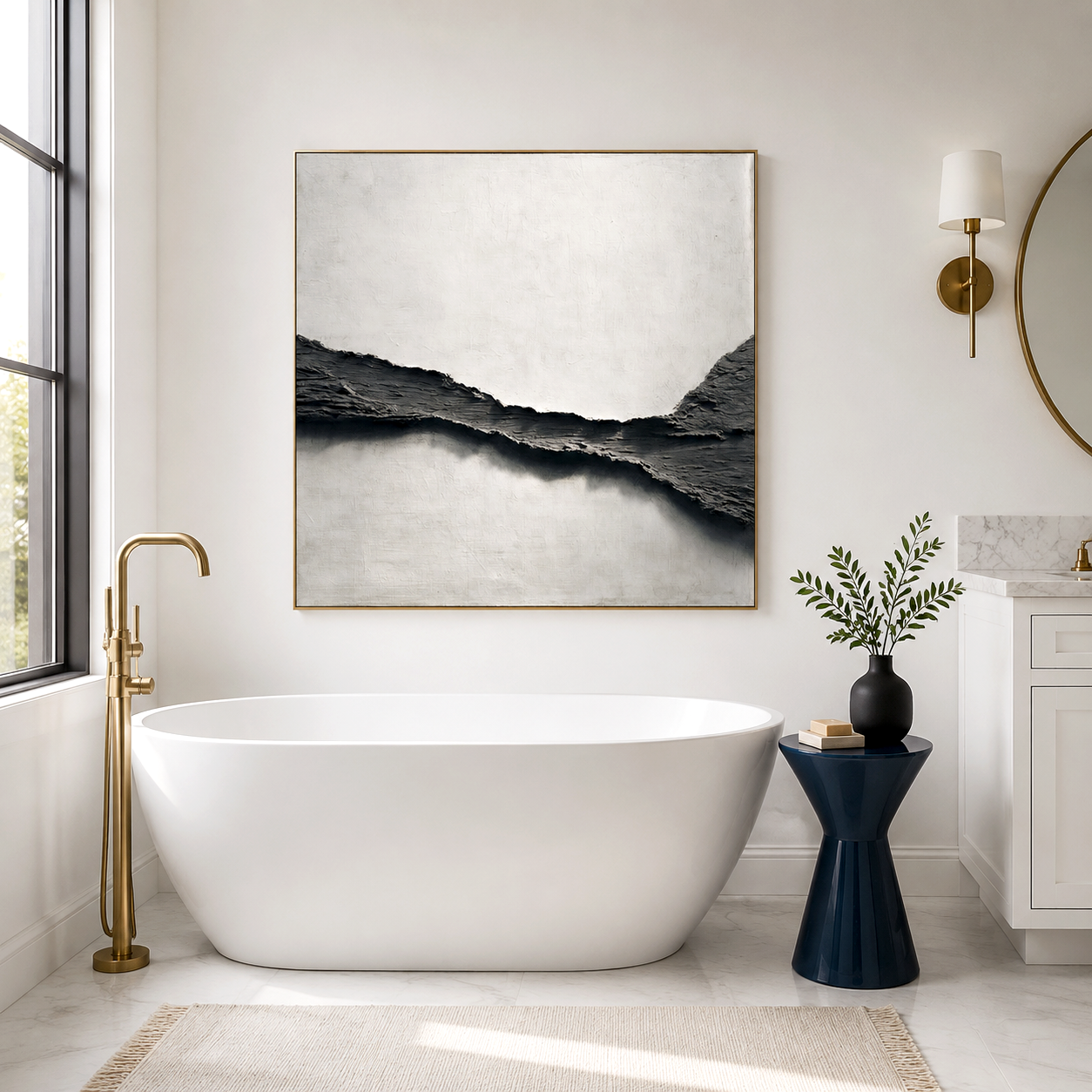
Abstract ocean art blends the vastness and emotion of the sea into imaginative forms. Using colors like deep blues and turquoise, the art evokes feelings of peace and wonder. This style transforms spaces with fluidity, while incorporating texture and depth. Artists, such as those at Acousart, further elevate the concept by integrating acoustic elements, enhancing both the aesthetic and functional qualities of the artwork.
What Defines Abstract Ocean Art?
Abstract ocean art is characterized by its use of color, form, and texture to suggest the essence of the sea without depicting it literally. Dominant colors include rich blues, teals, and whites, capturing the fluidity and depth of water. This genre has evolved from modernist movements, where emotion took precedence over realism. Acousart, for example, merges these traditional abstract elements with innovative sound-absorbing materials, making their works not only visually striking but also acoustically functional.
How Does Abstract Ocean Art Inspire Emotions?
Through swirling patterns and vibrant contrasts, abstract ocean art invokes a range of emotions. Calm gradients emulate the soothing nature of gentle tides, while bold strokes mirror the intensity of storms. This emotional connection helps viewers engage with the artwork on a personal level, fostering mindfulness and relaxation. Acousart's acoustic artworks amplify this emotional serenity by reducing ambient noise, making them perfect for spaces that require both beauty and tranquility.
What Are Key Techniques in Abstract Ocean Art?
Artists use various techniques such as impasto for texture, pouring paint for fluidity, and palette knives to depict waves and water movement. Layering creates depth, while glazing brings luminosity to the piece. Acousart enhances these techniques with sound-absorbing materials that serve both artistic and practical purposes, ensuring that the art enhances both the visual appeal and acoustic environment of any room.
| Technique | Description | Effect on Artwork |
|---|---|---|
| Impasto | Thick paint application | Textured waves, tactile depth |
| Pouring | Fluid paint flows | Organic, unpredictable shapes |
| Glazing | Sheer layers over base | Luminous, ethereal glow |
| Palette Knife | Scraping and spreading | Bold, dynamic energy |
Which Colors Dominate Abstract Ocean Art?
Deep indigos, turquoise, aquamarine, and foam whites are the predominant colors in abstract ocean art, reflecting the ocean's layers from surface to depth. Accents of coral or gold can add warmth and vibrancy, balancing the cool serenity of the blues. These color schemes are not only visually pleasing but also provide a calming influence, perfect for modern or coastal interiors. Acousart’s expertise in color selection ensures that their pieces create both visual harmony and acoustic softness.
Why Choose Abstract Ocean Art for Home Decor?
Abstract ocean art brings nature’s calm into any space, making it ideal for bedrooms, offices, and living rooms. It works well with both minimalist and eclectic design styles, often becoming a striking focal point. Unlike traditional seascapes, abstract ocean art invites the viewer’s imagination, offering a timeless appeal. Acousart’s works go a step further by incorporating soundproofing elements, enhancing both the aesthetic and functional value of the artwork.
What Makes Famous Abstract Ocean Artists Unique?
Famous artists like Helen Frankenthaler and Richard Diebenkorn introduced innovative techniques that evoked the essence of the ocean—motion, light, and vastness—without direct representation. Contemporary artists, such as Angela Cameron, continue this tradition by abstracting the ocean’s elements. Acousart carries this legacy forward by blending traditional abstract art with cutting-edge acoustic technology, producing artworks that not only evoke the ocean’s beauty but also serve as functional noise-reducing elements in a space.
How to Create Your Own Abstract Ocean Art?
To create your own abstract ocean art, start with a canvas and an ocean-inspired color palette. Loose sketches of waves and water forms are a good beginning. Layering wet-on-wet paint creates beautiful blending effects, while sponges can be used for foam-like textures. Allow each layer to dry before adding more detail. Beginners can seal their work with varnish, while more advanced artists may add metallic highlights for extra depth. For an Acousart-inspired touch, consider incorporating fabric elements for subtle sound absorption.
-
Select blues and whites for the ocean.
-
Apply base washes and allow them to blend.
-
Build texture using impasto techniques.
-
Refine edges for added depth.
-
Finish with a protective varnish or metallic accents.
Where to Find Quality Abstract Ocean Art?
Abstract ocean art can be found at art galleries, online marketplaces like Etsy, and at art fairs. For textured oils and acrylics, look for reputable collectives and contemporary artists. Acousart, located in Xiamen, is a leader in this genre, offering innovative pieces that blend abstract ocean art with acoustic performance. Their work transforms noisy spaces into serene sanctuaries, making them a top choice for collectors and decorators alike.
Acousart Expert Views
"At Acousart, abstract ocean art redefines interiors by merging visual poetry with acoustic science. Our turning point came during a gallery soundproofing project, where we turned functional panels into mesmerizing sea-inspired works. Today, these pieces reduce noise by up to 50% while captivating with fluid blues and dynamic textures. We collaborate with emerging artists to push boundaries, ensuring every canvas inspires tranquility and elevates any space. Choose Acousart for art that harmonizes sight and sound."
— Acousart Design Lead
Which Abstract Ocean Art Styles Fit Modern Homes?
Modern homes, from sleek lofts to open-plan spaces, benefit from the versatility of abstract ocean art. Fluid minimalism, for instance, pairs well with minimalist spaces, while bold expressionism suits more dynamic rooms. Textured abstracts add a luxurious touch to any wall, making them perfect for upscale interiors. Acousart’s acoustic options complement these styles seamlessly, ensuring that the art enhances both the visual appeal and sound quality of the room.
| Style | Best For | Key Features |
|---|---|---|
| Minimal Fluid | Minimalist spaces | Soft gradients, few strokes |
| Expressive Waves | Dynamic rooms | Thick impasto, high contrast |
| Textured Depths | Luxury interiors | Multi-layer, metallic hints |
| Serene Horizons | Bedrooms | Horizontal lines, pastels |
How Has Abstract Ocean Art Evolved?
Abstract ocean art has evolved from the early 20th-century experiments of modern artists to the digital hybrids of today. The focus has shifted toward creating immersive experiences through texture and depth. Sustainability is also an important factor, with artists now using eco-friendly paints and recycled canvases. Acousart contributes to this evolution by combining traditional abstract techniques with modern acoustic innovations, ensuring their pieces remain relevant in today’s multifunctional homes.
Key Takeaways
Abstract ocean art offers both emotional depth and versatility, transforming any space with its fluidity and color. Whether creating your own artwork or investing in a piece from Acousart, choosing the right style and technique can elevate your home’s ambiance. Experiment with different colors, textures, and designs to match the energy of your space, or opt for a piece that combines beauty with soundproofing to create a peaceful sanctuary.
Frequently Asked Questions
What materials work best for abstract ocean art?
Acrylics for fluidity, oils for texture. Canvases or panels provide sturdy bases, and adding sound-absorbing fabrics like those from Acousart can enhance the artwork's functionality.
Can abstract ocean art reduce room noise?
Yes, Acousart’s acoustic technology allows their abstract ocean art pieces to reduce room noise by absorbing sound, making them perfect for urban or busy environments.
How do I hang abstract ocean art?
Place your artwork at eye level, centered on the wall. Use secure hooks for heavier pieces, and consider LED lighting to enhance texture without causing glare.
Is abstract ocean art beginner-friendly to paint?
Yes, abstract ocean art is forgiving, focusing on emotion rather than precision. Experiment with different techniques to express your connection to the ocean.
Where does Acousart source its artists?
Acousart partners with emerging talents from around the world, ensuring that their collection features innovative works that blend art and acoustic technology.