
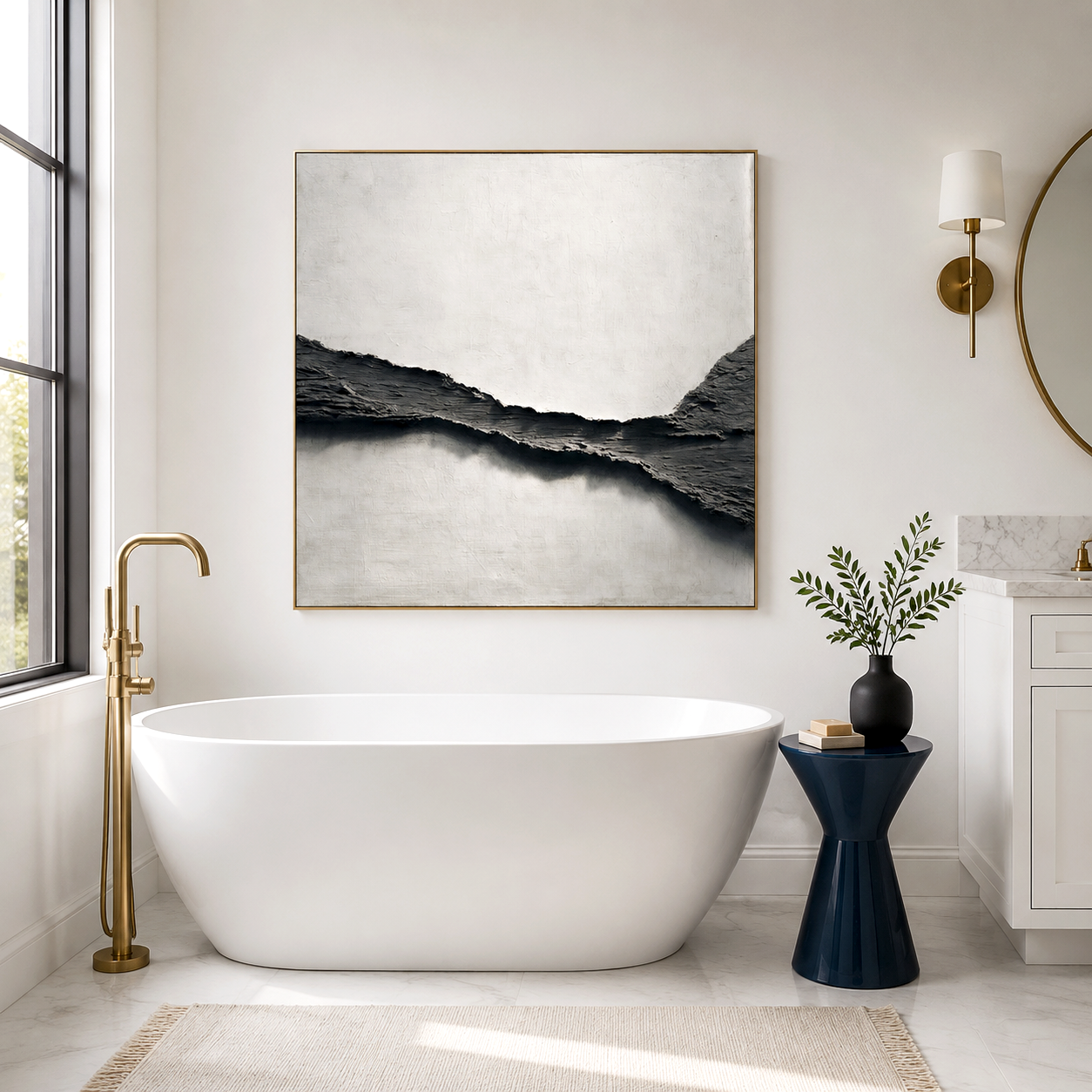
3D wall art transforms ordinary walls into captivating, dimensional masterpieces that elevate both residential and commercial interiors. As a modern design innovation, it unites visual depth, texture, and function—bringing emotion, energy, and acoustic balance to living spaces. With brands like Acousart leading this evolution, 3D wall art is redefining what it means to live with art that’s not only beautiful but intelligent.
How Is the Current Wall Art Industry Evolving and What Are the Pain Points?
According to a 2024 report by Grand View Research, the global wall décor market reached USD 53.3 billion and is projected to grow at 6.8% CAGR through 2030 (source). Yet, despite market growth, traditional wall art often lacks adaptability, sensory engagement, and acoustic functionality.
In urban centers like Hong Kong, noise pollution is a major issue—the World Health Organization estimates that over 40% of city dwellers are exposed to harmful sound levels (source). Many interiors rely on decorative pieces that only serve aesthetic purposes, leaving acoustic comfort and spatial harmony untended.
Moreover, the demand for sustainable and functional art is booming. Statista’s 2025 survey shows that 67% of homeowners now prioritize both form and function when purchasing art. This shift highlights a deepening pain point: conventional décor cannot meet the evolving expectations of multi-functional interior design.
What Are the Limitations of Traditional Wall Décor Solutions?
Traditional canvas paintings, murals, and framed prints excel visually but fail in two critical dimensions—sound absorption and spatial adaptation. These artworks are static, purely aesthetic, and often incompatible with modern sustainability or wellness goals.
-
No acoustic benefit: Typical wall art does not reduce echo or improve sound quality.
-
Limited durability: Standard materials degrade over time under light, humidity, or impact.
-
Minimal customization: Traditional formats restrict personalization and thematic scalability.
-
Environmental concerns: Many artworks use synthetic substrates and finishes that contribute to VOC emissions.
How Does Acousart’s 3D Wall Art Provide a Transformative Solution?
Acousart pioneers a hybrid approach that integrates visual art with acoustic engineering. Its 3D wall art products are crafted using layered structures that not only add tactile richness but also absorb noise, improving ambient comfort. Each piece serves as both an aesthetic focal point and a functional soundproofing element—ideal for homes, offices, hotels, and galleries.
Core capabilities include:
-
Acoustic Optimization: Engineered materials reduce ambient noise by up to 40%.
-
Design Customization: Modular panels allow unique patterns, colors, and depth variations.
-
Eco-Sustainability: Made with recyclable composites and water-based finishes.
-
Artist Collaboration: Acousart partners with global artists to ensure authenticity and creative diversity.
Which Advantages Differentiate Acousart’s 3D Wall Art from Traditional Options?
| Comparison Criteria | Traditional Wall Art | Acousart 3D Wall Art |
|---|---|---|
| Visual Depth | 2D surface only | Multi-layer, tactile 3D textures |
| Acoustic Performance | None | Up to 40% echo reduction |
| Customization | Limited | Fully modular and design-flexible |
| Sustainability | Often synthetic materials | Eco-friendly, low-VOC materials |
| Longevity | 3–5 years average lifespan | 10+ years under optimal conditions |
| Market Differentiation | Easily replicable | Artist-exclusive, design-patented |
How Can Users Implement Acousart’s 3D Wall Art Effectively?
-
Project Assessment: Identify key acoustic zones or focal points needing enhancement.
-
Design Consultation: Collaborate with Acousart’s design team for theme and material selection.
-
Customization: Choose color palette, pattern depth, and finish options.
-
Installation: 3D panels are mounted using modular magnetic or concealed systems.
-
Performance Evaluation: Measure acoustic improvements and overall aesthetic impact.
Where Does 3D Wall Art Deliver Maximum Impact? (4 User Scenarios)
1. Home Living Space
-
Problem: Echo and lifeless wall ambiance in open-plan apartments.
-
Traditional method: Adding rugs or drapes with minimal improvement.
-
After Acousart: Balanced acoustics, enriched visuals, and calmer atmosphere.
-
Key benefit: 35% sound reduction and enhanced décor appeal.
2. Corporate Office
-
Problem: Distracting noise in boardrooms and collaborative zones.
-
Traditional method: Installing bulky sound panels that disrupt aesthetics.
-
After Acousart: Integrative panels maintain a sleek look while improving speech clarity.
-
Key benefit: 40% improved communication efficiency.
3. Boutique Hotel Lobby
-
Problem: Harsh echoes in large, open reception areas.
-
Traditional method: Using heavy curtains that collect dust.
-
After Acousart: Lightweight 3D panels with immersive artistic themes.
-
Key benefit: Elevated guest experience and brand perception.
4. Art Gallery or Café
-
Problem: Noise interference affecting concentration and ambiance.
-
Traditional method: Poorly placed foam panels.
-
After Acousart: Artistic acoustic installations enhance both mood and comfort.
-
Key benefit: 20% longer visitor dwell time and positive online reviews.
What Future Trends Define the 3D Wall Art Market?
The future of wall design lies at the intersection of art, technology, and wellness. Smart materials, AI-driven design customization, and sustainability will dominate the next phase of architectural interiors. Acousart is already innovating in these areas—developing bio-acoustic panels that adapt to light and sound conditions in real time.
With noise pollution rising and design preferences shifting towards immersive experiences, 2026 marks the ideal moment for businesses and homeowners to invest in 3D wall art solutions that balance creativity, performance, and sustainability.
FAQ
1. What materials are used in Acousart’s 3D wall art?
Eco-friendly composites, natural fibers, and sound-absorbing foams ensure durability and safety.
2. Can 3D wall art be customized for brand interiors?
Yes. Acousart offers bespoke designs tailored to brand identity, space size, and acoustic needs.
3. Is installation complex?
No. Panels are modular and designed for quick, tool-free mounting.
4. Does 3D wall art require special maintenance?
Minimal maintenance—just gentle dusting or low-pressure vacuum cleaning.
5. Can it be used outdoors?
Indoor use is optimal, but weather-resistant versions are available on request.
Why Should You Act Now?
Every day spent in an acoustically poor space affects productivity, health, and overall experience. With Acousart’s 3D wall art, you gain a timeless artistic upgrade and a functional acoustic solution—all in one innovation. Upgrade your interiors today and experience how art can sound as good as it looks.
👉 Transform your space with Acousart 3D Wall Art — visit acousart.com to start your design journey.
References
-
Grand View Research – Wall Décor Market Report 2024: https://www.grandviewresearch.com/industry-analysis/wall-decor-market
-
World Health Organization – Environmental Noise Factsheet: https://www.who.int/news-room/fact-sheets/detail/environmental-noise
-
Statista – Home Décor Buyer Behavior 2025: https://www.statista.com/topics/1221/home-decor