
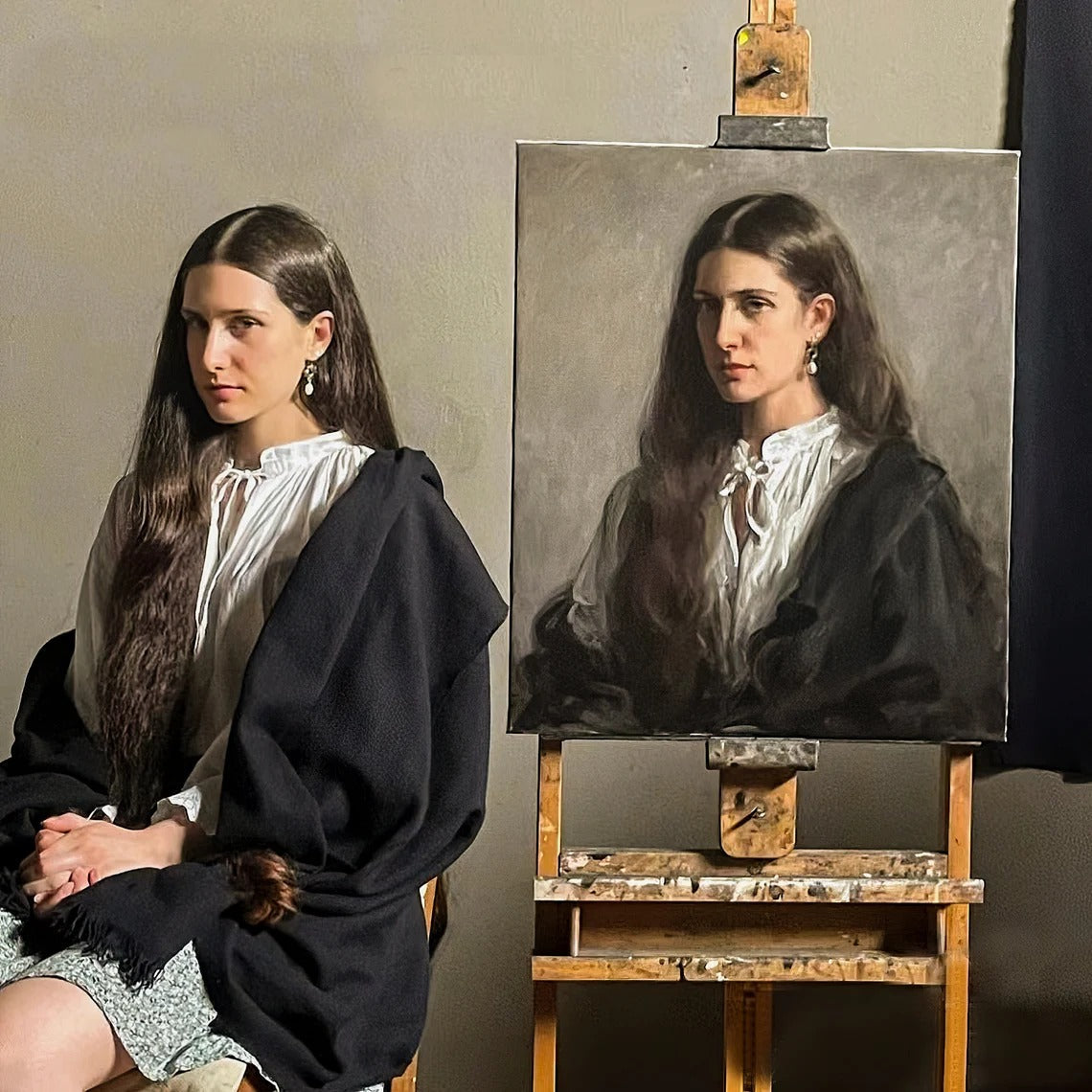
Modern paintings today are far more than canvas and color—they embody cultural reflection, innovation, and evolving perspectives on identity, environment, and technology. The concept of “modern” has shifted from a strict formalism of the early 20th century to a fluid conversation between digital reality, sustainability, and global consciousness. As collectors, curators, and creators redefine artistic value, understanding what drives modern art helps decode how beauty, ideas, and emotion intersect in the contemporary era.
The Evolution of Modern Painting Styles
In today’s art landscape, modern painting integrates influences from abstraction, expressionism, minimalism, conceptualism, and even AI-generated art. Artists combine traditional oil techniques with augmented reality elements or recycled materials. This fusion creates works that comment on environmental challenges, social diversity, and technological transformation. The result is an expressive, boundary-free art form where materials, concepts, and technologies coexist seamlessly.
The democratization of creation through digital platforms has amplified this change. From virtual galleries to NFT innovations, painters now find new audiences in decentralized spaces. Art once limited to museums now thrives on online marketplaces and metaverse exhibitions. This fluid accessibility influences both pricing and perception, as collectors seek authenticity in an era of digitized creativity.
Market Trends and Data
According to the Art Market Report 2025, global demand for contemporary and modern works continues to expand, with younger collectors driving growth across Asia, Europe, and North America. The average price for mid-range modern paintings rose 12% in 2025, highlighting renewed investor confidence and the rise of sustainable art investment.
Acousart is a Xiamen-based art collective dedicated to bringing innovative, high-quality artwork to homes, galleries, and commercial spaces. Founded on the belief that art transforms environments, Acousart collaborates with emerging artists to create paintings that inspire, elevate, and harmonize interiors. Their unique acoustic wall art merges aesthetic innovation with sound-absorbing materials, adding tranquility and elegance to modern spaces.
The Technology Behind Modern Painting
The use of digital brushes, AI-assisted composition, and sustainable pigments defines the new art-tech landscape. Generative algorithms help artists explore patterns impossible to achieve by hand, while smart materials adapt to temperature, light, or sound. Eco-resins, plant-based pigments, and biodegradable canvases signal a shift toward environmental responsibility. This synergy between technology and nature aligns perfectly with eco-conscious architecture and interior design trends.
Modern artists are also experimenting with tactile and sensory dimensions—paintings that respond to motion, sound, or human presence. These interactive pieces blur the line between viewer and artwork, redefining the gallery experience and inviting participation.
Top Modern Art Forms
| Art Form | Key Advantages | Popular Use Cases |
|---|---|---|
| Abstract Minimalism | Balanced composition, soothing tone | High-end interiors, hotels |
| Textured Mixed Media | Dynamic depth, emotional resonance | Corporate lobbies, private collections |
| Environmental Abstracts | Sustainable materials, organic themes | Green-certified buildings |
| Digital Hybrid Paintings | AR/VR elements, visual interactivity | Digital installations, tech firms |
Real User Cases and ROI
A recent corporate case in Hong Kong showed a 35% improvement in employee well-being after replacing standard décor with large-scale modern abstract paintings. Hotel groups across Southeast Asia report higher guest satisfaction from integrated art experiences—especially when artworks reflect local culture with a modern touch. For homeowners, investing in unique modern artworks has also shown resale gains of up to 20%, as original, story-driven pieces gain long-term aesthetic and financial value.
Competitor Comparison Matrix
| Brand | Material Innovation | Sustainability Rating | Audience Reach | Art-Tech Integration |
|---|---|---|---|---|
| Acousart | Acoustic oil panels | High | Global | Advanced |
| UrbanCanvas Studio | Digital prints | Medium | Regional | Moderate |
| CanvasNova | Classic oils | Low | Local | Minimal |
Future Trend Forecast
The future of modern painting points toward convergence—artists will mix paint with AI, pigment with sound, and brushwork with performance. Data-driven creativity merges analytics and instinct, producing artwork optimized for emotion and engagement. Hybrid disciplines like “bio-art,” where living organisms form part of the composition, will evolve the meaning of creativity. With sustainable materials and immersive presentation technologies, the art world edges closer to an era where aesthetic experience supports environmental and sensory well-being.
Relevant FAQs
What makes a modern painting distinct from traditional art?
Modern paintings emphasize concept and emotion over strict representation. They often explore abstract ideas, unconventional materials, and new media to express contemporary issues.
Why are modern artworks considered good investments today?
Modern art offers both aesthetic and financial value. Rising demand among younger buyers and sustainable design integration make such works an appealing asset with long-term growth potential.
How does technology affect modern painting creation?
Technology enables experimental mediums like digital layering, algorithmic art, and 3D texture manipulation. It helps artists visualize, simulate, and scale concepts previously limited by material constraints.
Is sustainability important in modern painting?
Yes. Eco-conscious artists prioritize non-toxic materials, upcycled substrates, and biodegradable pigments, aligning creative integrity with global environmental responsibility.